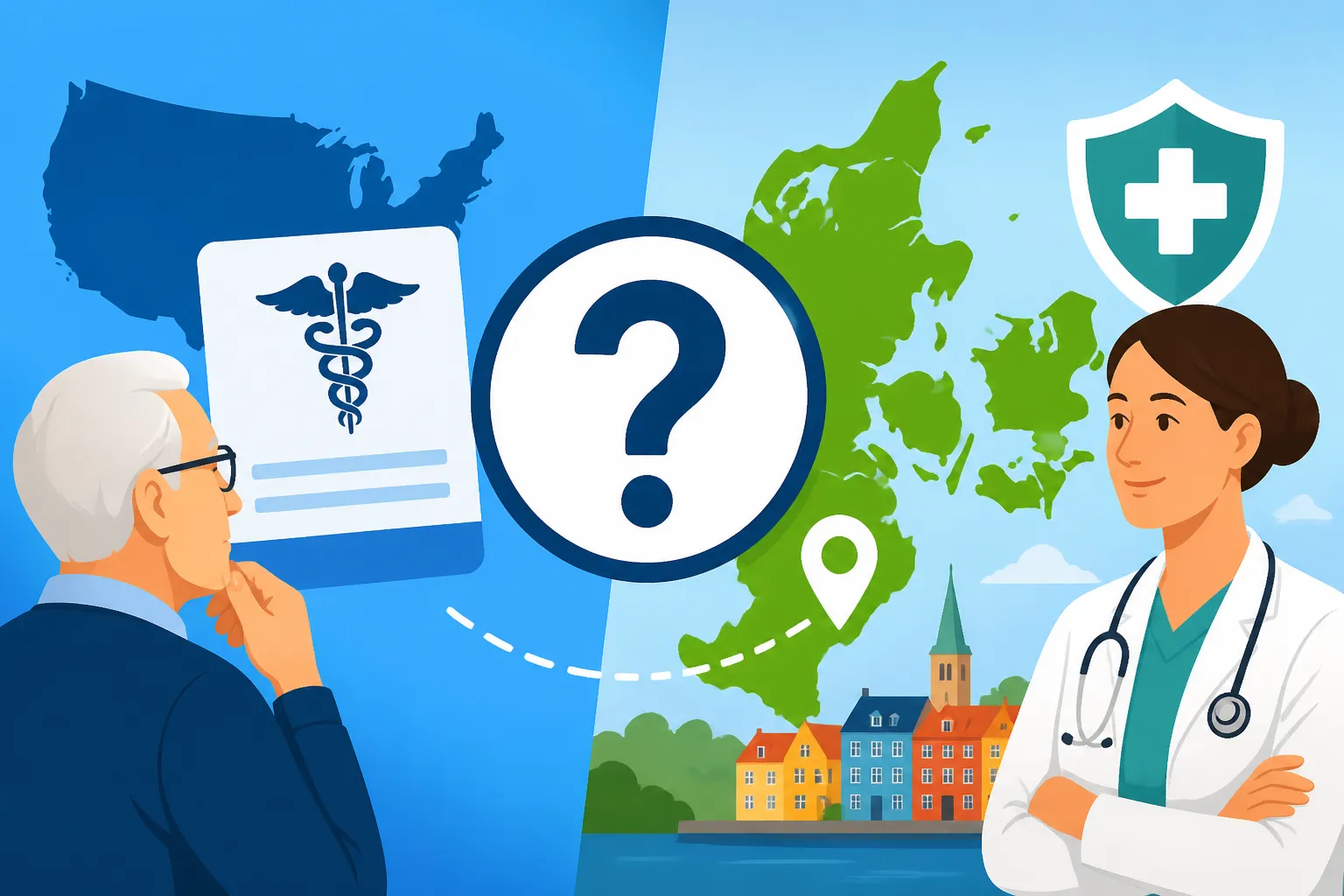
Does Medicare (US) Provide Any Coverage in Denmark?
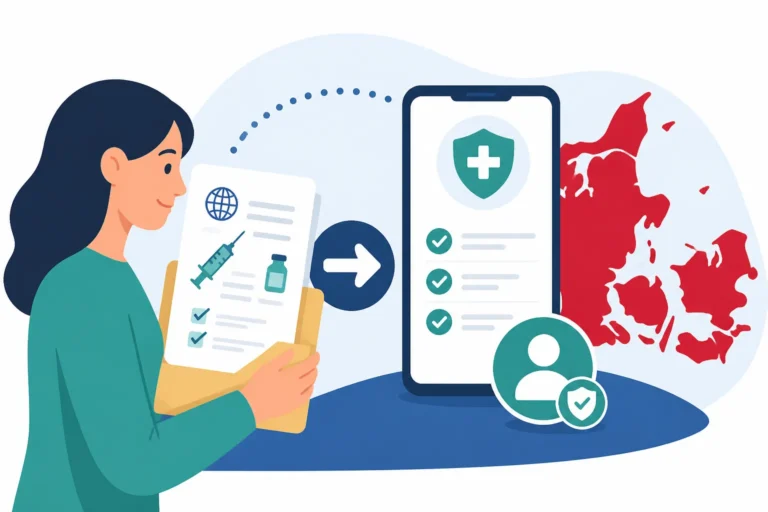
One of the most heart-stopping moments for American expats or retirees arriving in Denmark is the sudden realization that their hard-earned Medicare benefits essentially vanish the moment they cross the Atlantic. When I first landed at Kastrup with my aging parents in tow, we were terrified that a single trip to a Danish clinic would drain our savings. This guide clarifies exactly why Medicare offers no safety net here and how you can protect your health and finances through the transition.
The Harsh Reality of Medicare Territorial Limits
If you are an American citizen or a long-term resident who has spent decades paying into the system, it feels inherently unfair that your coverage stops at the border. However, the United States Social Security Act is very clear: Medicare generally does not cover healthcare services obtained outside the 50 states, the District of Columbia, and U.S. territories. This means that from the moment your plane touches down in Copenhagen, your Red, White, and Blue card is effectively just a piece of plastic.
There are no "Medicare-approved" providers in Aarhus or Odense. You cannot submit a claim to CMS for a broken leg suffered on a cobblestone street in Nyhavn, nor will your Part D plan cover the cost of insulin at a local Apotek. For many of us who grew up with the American healthcare mindset, this "coverage blackout" is the first major hurdle of expat life. It creates a period of extreme vulnerability, especially because the Danish system does not pick you up the moment you arrive. You are effectively in a "healthcare no-man's land" until your residency is processed.
To navigate this, you must understand that Healthcare in Denmark for Foreign Residents: Complete System Guide (2027) is based entirely on residency, not citizenship. Until the Danish state recognizes you as a resident with a CPR number, you are treated as a private patient. This is where many Americans get caught off guard, assuming that a high-quality socialized system will simply treat them for free out of goodwill. While life-saving emergency care is rarely denied, the bill that follows can be astronomical if you lack the right private backup.
Bridging the Gap with Expat Health Insurance
Since you cannot rely on Medicare, and you likely won't have your Danish credentials for several weeks or even months, you need a proactive strategy. Most seasoned expats I know recommend securing a policy specifically designed for international living. This is where brands like SafetyWing or Cigna Global become essential parts of your moving checklist.
SafetyWing is often the go-to for younger expats, digital nomads, or those in the initial "scouting" phase of their move. It functions much like a travel-medical hybrid, providing a lean but effective safety net for unexpected illnesses or accidents. If you are waiting for your residency to be approved, having SafetyWing ensures that a sudden appendicitis attack doesn't result in a $15,000 out-of-pocket expense. It is a subscription-based model that fits the "limbo" period perfectly.
On the other hand, if you are a retiree or a professional with chronic health needs that Medicare used to handle, Cigna Global offers the level of comprehensive care you are likely used to in the States. They provide modular plans that can include vision, dental, and outpatient care, which is vital because Expat Health Insurance: Coverage Before You Get Your CPR Number is a legal and practical necessity for non-EU citizens. Cigna Global is particularly helpful because it allows you to maintain a level of private access that the public Danish system doesn't always prioritize, such as faster access to specific specialists or private hospital suites.
| Feature | US Medicare | Danish Public System | SafetyWing | Cigna Global |
|---|---|---|---|---|
| Geographic Scope | USA Only | Denmark Only | Global (Limited US) | Global / Custom |
| Eligibility | Age 65+ / Disability | Residents with CPR | Anyone | Anyone |
| Monthly Cost | Varies (Part B/D) | Tax-funded (Free at point of use) | Low (Subscription) | Moderate to High |
| Chronic Care | Comprehensive | Managed by GP | Limited | Extensive |
| Primary Use Case | Domestic US care | Long-term residency | Transition / Travel | Comprehensive Expat Life |
Navigating the Danish Public System as an American
Once you finally receive your CPR number, you will be issued The Yellow Health Card (Sundhedskort): Your Key to Danish Healthcare. This is the moment your reliance on American-style insurance begins to shift. In Denmark, your "Yellow Card" entitles you to free primary care and hospital treatments. You will be assigned a General Practitioner (GP) who acts as the gatekeeper to the entire system.
Unlike the US, where you might call a cardiologist directly, in Denmark, you must go through your GP for almost everything. For an American used to the Medicare Advantage "PPO" style of choosing any doctor, this can feel restrictive. You might find the waiting times for non-urgent surgeries longer than what you experienced in a private US clinic. This is why many Americans choose to keep a private policy like Cigna Global even after they are "in" the Danish system—it allows them to bypass the public queues for elective procedures.
It is also important to note that the Danish system does not cover everything. Adult dental care, for example, is largely out-of-pocket, though it is subsidized. This is a shock to many Medicare recipients who might have had supplemental dental. If you find the costs adding up, you should look into Private Health Insurance (Sygeforsikring "danmark"): Is It Worth It? which is a unique Danish non-profit that provides reimbursements for dental work, glasses, and physiotherapy.
What Happens in an Emergency?
If you are a tourist or a new expat without your Yellow Card yet, and you have a medical crisis, you are not entirely on your own. Denmark has a world-class emergency infrastructure. If you find yourself in a life-threatening situation, you should not hesitate to call the emergency services. Understanding Emergency Medical Care in Denmark: Calling 112, Lægevagten, and ERs is the first thing every American should learn upon arrival.
However, keep your SafetyWing or Cigna Global details in your wallet. When you are admitted to the hospital without a CPR number, the administrative staff will eventually ask for insurance information. If you have nothing, they will bill you as a "foreign national." While the costs are generally lower than US "chargemaster" prices, they are still significant. A night in a Danish ICU can easily run several thousand dollars.
For non-emergency but urgent issues—like a high fever or a deep cut on a Saturday night—you cannot just walk into an ER. You must call Lægevagten (the out-of-hours doctor). They will triage you over the phone. As an American used to "Urgent Care" centers on every corner, this centralized, phone-first system can be frustrating. Be prepared to explain your symptoms clearly and, if you don't have your Yellow Card yet, mention your private insurance coverage immediately.
Managing Medications and Chronic Conditions
For those who rely on Medicare Part D for prescriptions, the transition to Denmark requires careful planning. You cannot "transfer" a US prescription to a Danish pharmacy. You must see a Danish GP to have the medication re-prescribed under a Danish brand name.
I learned the hard way that many medications common in the US are more strictly regulated here. Some things you might get easily via Medicare might require a specialist's approval in Denmark. During your First 90 Days: Health Insurance Requirements for Non-EU Expats, make sure you bring a 90-day supply of your essential meds and a signed letter from your US doctor. This "buffer" period is critical because it can take a while to get that first appointment with your new Danish GP.
Once you are in the system, medication is not "free," but it is heavily subsidized based on a sliding scale. The more you spend in a year, the higher the percentage the state covers. This is a very different logic than the Medicare "doughnut hole," and for most people with chronic conditions, it actually ends up being more affordable in the long run—provided you have the residency status to access those subsidies.
Strategic Advice for US Retirees in Denmark
If you are moving to Denmark to be with family or for a lifestyle change in your golden years, do not cancel your Medicare Part B immediately unless you are certain you will never return to the US. If you drop Part B and later decide the Danish winters are too much and move back to Florida, you will face significant lifetime late-enrollment penalties.
Many savvy expats maintain their Medicare Part B (and a cheap Medigap plan) as a "back home" insurance policy, while using a combination of the Danish public system and a policy from Cigna Global for their daily life in Europe. This gives you the best of both worlds: the high-tech, immediate access of the US system for major procedures if you want to fly back, and the comprehensive, low-cost daily care provided by the Danes.
Lastly, remember that the Danish system is digital-first. Everything from your lab results to your GP's messages will eventually go through a portal. Getting your digital identity sorted is just as important as finding a doctor. While Medicare uses paper statements and complex EOBs (Explanation of Benefits), the Danish system is remarkably streamlined—once you have navigated the initial bureaucratic maze.
Disclaimer
The information provided in this article is for informational purposes only and does not constitute legal, financial, or professional medical advice. Healthcare regulations in Denmark and Medicare policies in the United States are subject to change. Always consult with the Danish Patient Ministry (Sundhedsministeriet), the U.S. Centers for Medicare & Medicaid Services (CMS), or a qualified insurance professional before making decisions regarding your healthcare coverage. The author is an expat sharing personal experiences and research, not a licensed insurance agent.