Tick Bites and Lyme Disease (Borrelia): Summer Health in Danish Forests
Finding a tiny, dark speck burrowed into your skin after a sunny afternoon picnic in Dyrehaven is a rite of passage for many expats in Denmark, but it can be genuinely terrifying if you aren't prepared. I remember the panic of my first tick bite in Aarhus, frantically searching for how to navigate a healthcare system I barely understood yet. This guide explains how to manage tick risks, identify Lyme disease symptoms, and access Danish medical care effectively.
Understanding the Tick Risk in Denmark’s Forests and Grasslands
Denmark’s lush, green landscape is one of its greatest draws, but the humid climate and high population of deer make it an ideal habitat for the castor bean tick, known locally as skovflåten. These arachnids do not jump or fly; instead, they sit on the tips of tall grass or low-lying shrubs, waiting for a host—human or animal—to brush past. While most tick bites are harmless, the prevalence of Borrelia (Lyme disease) and the emergence of Tick-Borne Encephalitis (TBE) mean you need to be vigilant when exploring the great outdoors.
Where Ticks Hide in the Danish Landscape
Ticks thrive in moist, shaded areas. While you might expect them only in deep forests like Gribskov or Rols Skov, they are surprisingly common in urban parks and even private gardens if there is enough vegetation. High grass, piles of leaf litter, and the edges of forest paths are prime "questing" spots for ticks. If you are a fan of "wild" camping or off-path hiking, your risk increases significantly. Even popular spots like the deer parks in Klampenborg are hotspots because the high density of deer provides a constant food source for the tick population.
When is Tick Season in Denmark
Generally, the Danish tick season runs from April to October. However, with increasingly mild winters, it is not uncommon to encounter ticks as early as March or as late as November. Ticks become active whenever the temperature consistently rises above 4 to 5 degrees Celsius. The peak danger period is usually mid-summer when the humidity is high and people are most active outdoors in shorts and t-shirts. If you have recently moved and are still waiting for your residence permit, it is wise to have Expat Health Insurance: Coverage Before You Get Your CPR Number to ensure you can seek immediate medical advice during these peak months without worrying about out-of-pocket costs.
Identifying and Removing Ticks the Danish Way
If you find a tick on yourself, your child, or your pet, the most important rule is: do not panic, but act quickly. The longer a tick remains attached, the higher the risk of transmission for Borrelia, which typically requires the tick to be feeding for 24 to 48 hours to pass the bacteria into your bloodstream.
What Does a Danish Tick Look Like
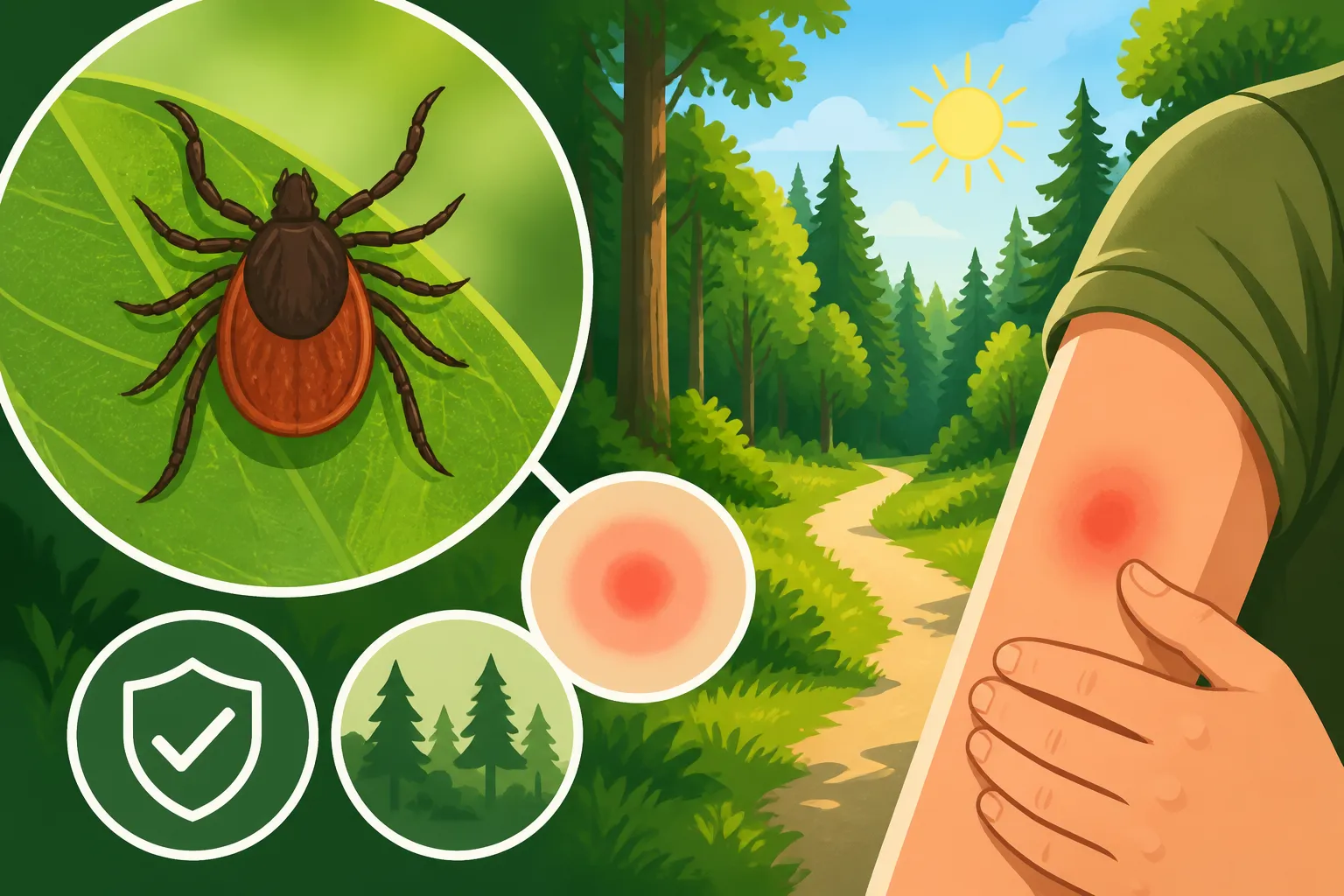
A hungry tick is tiny—often no larger than a poppy seed. Once it has started feeding, it swells into a greyish or brownish bean-shaped bug. In Denmark, you will most likely encounter the Ixodes ricinus. Because they are so small, they can easily be mistaken for a new freckle or a bit of dirt. This is why a thorough "tick check" is essential after any outdoor activity. If you are visiting Denmark and haven't registered with the system yet, you might wonder Can You Go to the Doctor in Denmark Without a CPR Number? for a simple removal, but usually, this is something you can and should handle yourself at home immediately.
Proper Removal Techniques
The goal is to remove the tick entirely, including the head, without squeezing the body. Squeezing the tick can force its stomach contents (and potential bacteria) into your skin.
- Use a dedicated tick removal tool, called a flåttænger or flåtfjerner, which you can find at any local Pharmacies in Denmark: Apotek Rules, Prescriptions, and Subsidies or even in large supermarkets like Føtex or Kvickly.
- If you don't have a tool, use fine-tipped tweezers.
- Grasp the tick as close to the skin as possible.
- Pull upward with a steady, even pressure. Do not twist or jerk.
- After removal, clean the bite area and your hands with soap and water or rubbing alcohol.
Do not use old-wives' tales like "suffocating" the tick with butter, oil, or nail polish remover. These methods can actually increase the risk of infection by stressing the tick. If the head stays in the skin, don't fret; it will eventually work its way out like a splinter. The priority is removing the body and the source of the bacteria.
Lyme Disease (Borrelia) and TBE: Symptoms to Watch For
In Denmark, it is estimated that about 15-20% of ticks carry the Borrelia bacteria. While that sounds high, not every bite from an infected tick results in Lyme disease. However, being able to spot the early warning signs is crucial for effective treatment within the Healthcare in Denmark for Foreign Residents: Complete System Guide (2027).
The Bullseye Rash (Erythema Migrans)
The most classic sign of Lyme disease is a red rash that expands from the site of the bite. In Denmark, this is called Erythema Migrans. It typically appears 3 to 30 days after the bite and often looks like a bullseye, with a central red spot surrounded by a clear ring and then an outer red ring. Note that a small, itchy red bump (similar to a mosquito bite) that appears immediately and disappears in a day or two is usually just a local reaction to the tick's saliva and not a sign of Lyme. If you see the expanding "bullseye," take a photo of it immediately to show your doctor.
Flu-Like Symptoms and Neurological Signs
Sometimes Lyme disease presents without a visible rash. You might experience unexplained fatigue, chills, fever, headache, and muscle or joint aches. In more severe cases, Borrelia can affect the nervous system (neuroborreliosis), leading to symptoms like a stiff neck, sensitivity to light, or even facial paralysis (Bell's palsy). If you experience these symptoms after a known tick bite, you must contact your GP. For those with private international coverage through providers like Cigna Global, you may have the option to seek specialist consultations faster, though the public system handles Lyme disease very effectively with standard antibiotics.
Tick-Borne Encephalitis (TBE) in Denmark
TBE is a viral infection that is much rarer than Lyme but can be more serious because it affects the brain and there is no antibiotic cure—only supportive care. Historically, TBE was mostly confined to the island of Bornholm, but in recent years, "hotspots" have emerged in Northern Zealand (specifically around Tisvilde Hegn) and parts of Jutland. Unlike Lyme, TBE can be transmitted within minutes of a bite. Symptoms usually come in two waves: first, a week of flu-like symptoms, followed by a few days of recovery, and then a second wave involving high fever and signs of meningitis. Because of the rising risk, some expats living near forested areas choose to get the TBE vaccine, which is available through your GP or private vaccination clinics.
| Feature | Lyme Disease (Borrelia) | Tick-Borne Encephalitis (TBE) |
|---|---|---|
| Cause | Bacteria (Borrelia burgdorferi) | Virus |
| Transmission Time | Usually 24-48 hours of attachment | Within minutes of the bite |
| Primary Symptom | Bullseye rash (Erythema Migrans) | Two-phase flu-like illness/Meningitis |
| Treatment | Antibiotics (Penicillin) | No specific cure (Supportive care) |
| Prevention | Protective clothing & quick removal | Vaccine available & protective clothing |
| Prevalence in DK | Widespread across the country | Bornholm and specific Zealand forests |
Navigating the Danish Healthcare System for Tick-Related Care
The Danish system is very structured. You don't just walk into a hospital for a tick bite; there is a specific protocol to follow. Knowing this protocol saves you time and stress, especially if you are feeling unwell.
When to Call Your GP or 1813
If you have removed a tick and feel fine, you do not need to call the doctor. Simply monitor the spot for 30 days. However, if you develop a rash larger than 5cm or start feeling flu-like symptoms, you should call your General Practitioner (Egen Læge). You will find their contact information on The Yellow Health Card (Sundhedskort): Your Key to Danish Healthcare.
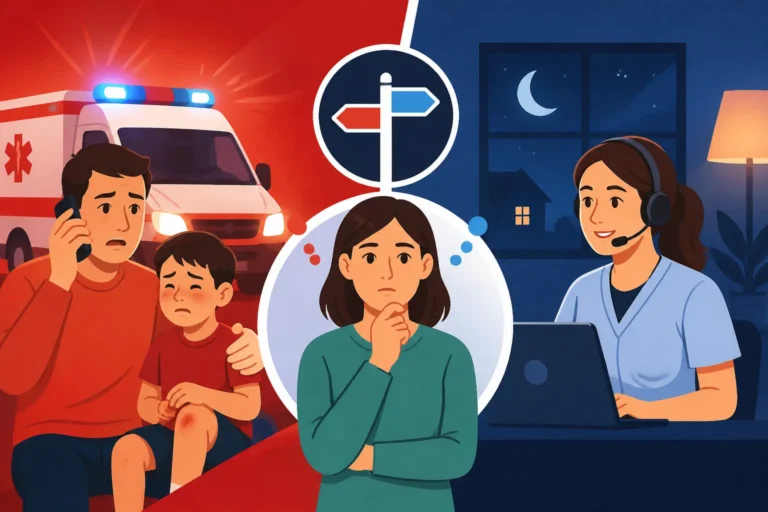
If symptoms appear outside of normal business hours (after 4:00 PM or on weekends), do not wait until Monday if you are feeling significantly ill. Instead, you should consult the Emergency vs. Out-of-Hours Care: When to Call Lægevagten (1813). When you call, be prepared to describe the bite, when it happened, and exactly what the rash or symptoms look like. If you are unsure of the terminology, our guide on What to Say When Calling Lægevagten (Out-of-Hours Doctor) can help you communicate effectively with the triage nurse.
Referrals and Specialist Care
If your GP suspects neuroborreliosis or a complex case of TBE, they will refer you to a hospital’s infectious disease department. The Danish public system is highly centralized, meaning Finding Medical Care in Denmark: GPs, Specialists, and Referrals is always the first step. You cannot go directly to a specialist for Lyme disease without that GP referral. For many expats, this "gatekeeper" system can feel slow, but it ensures that the specialists see the most urgent cases. If you have a high-tier plan with Cigna Global or SafetyWing, you might find that certain diagnostic tests or follow-up rehabilitative therapies are covered more flexibly than in the standard public track, though the emergency treatment remains the same.
Prevention Strategies for Your Summer Hikes
The best way to handle tick-borne diseases is to never get bitten in the first place. This doesn't mean you should avoid the beautiful Danish forests, but it does mean adopting a few "local" habits.
Clothing and Repellents
When hiking in areas with high grass, follow the "Danish hiker" uniform: long trousers tucked into long socks. It might not be the height of fashion, but it creates a physical barrier that ticks can't easily bypass. Light-colored clothing is also helpful because it makes the tiny, dark ticks much easier to spot before they reach your skin. You can buy insect repellent (look for products containing DEET or Icaridin) at most pharmacies or outdoor shops like Spejder Sport.
Post-Hike "Tick Checks"
Make it a habit to perform a "tick check" every evening after being outdoors. Ticks love warm, hidden spots. Pay close attention to:
- Behind the knees
- The groin area
- Under the arms
- Behind the ears
- The scalp (especially for children)
If you have children in a Danish skovbørnehave (forest kindergarten), the teachers will usually be very good at reminding you to check them, but the responsibility ultimately lies with the parents. If you are traveling frequently or have just arrived and are concerned about health coverage while exploring, services like SafetyWing provide affordable, flexible insurance that can bridge the gap until you are fully registered in the Danish system.
Managing Your Environment
If you have a garden in Denmark, keep the grass mown and remove piles of leaves or brush where ticks might hide. If you live near a forest, consider creating a "barrier" of woodchips or gravel between the wooded area and your lawn. While you can't eliminate the risk entirely, these small steps significantly reduce the likelihood of a tick hitching a ride into your home.
Medical Disclaimer
The information provided in this guide is for educational and informational purposes only and is not intended as medical advice. While we strive to provide accurate information about the Danish healthcare system and tick-borne illnesses, medical guidelines and the prevalence of diseases like TBE can change. Always consult with a qualified healthcare professional or your General Practitioner (GP) in Denmark for medical diagnosis and treatment. If you suspect you have been bitten by a tick and are showing symptoms of Lyme disease or TBE, seek medical attention immediately. In case of a life-threatening emergency, always call 112.