How Long Does It Take to Receive the Yellow Card in the Mail?
Arriving in Denmark often feels like a frantic race to collect a series of vital acronyms—SIRI, CPR, MitID—but nothing truly signals your "arrival" like that thin piece of yellow plastic landing in your mailbox. I remember spending my first three weeks in a drafty apartment in Nørrebro, checking my mail twice a day with the kind of desperation usually reserved for long-lost love letters. This guide breaks down the realistic waiting times for your yellow card and how to navigate the system while you are stuck in administrative limbo.
The Standard Timeline for Receiving Your Sundhedskort
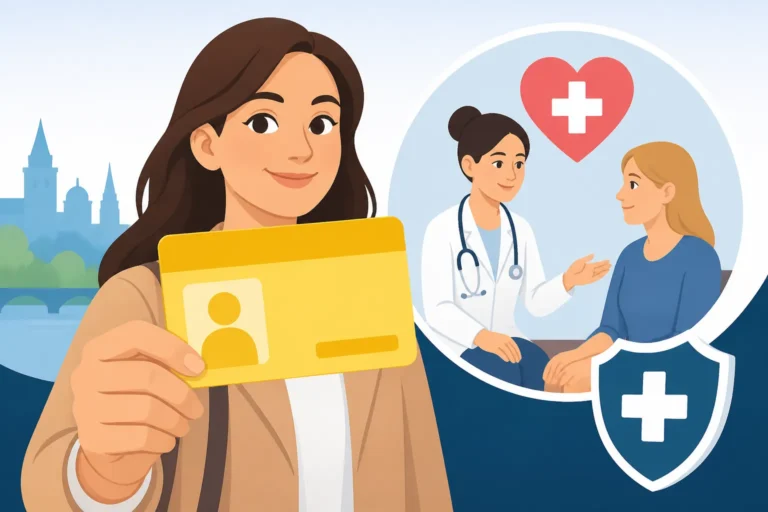
The "Yellow Card," or Sundhedskort, is your passport to the Danish welfare state. Without it, you are a ghost in the system; with it, you are a resident entitled to free healthcare. The timeline for receiving this card is intrinsically tied to your CPR (Central Person Register) number registration. Generally, once you have successfully attended your appointment at the International House or your local Borgerservice and received your CPR number, the card is triggered for production automatically.
Under normal circumstances, the physical yellow card arrives in your mailbox within 2 to 4 weeks after your CPR number has been issued. However, this is not a hard rule. In peak relocation seasons—typically August and September when international students flood into cities like Copenhagen, Aarhus, and Odense—the administrative backlog can push this wait toward the five or six-week mark. During my own move, it took exactly 19 days from my appointment to the card sliding through the door, but I’ve known colleagues in Aarhus who waited nearly a month and a half because of a local system update.
It is important to realize that the "wait" actually consists of two distinct phases. Phase one is the processing of your residency and CPR registration, which can take anywhere from a few days to several weeks depending on your visa type. Phase two is the physical printing and delivery of the card. Understanding The Yellow Health Card (Sundhedskort): Your Key to Danish Healthcare is essential because it explains that the card is essentially a physical manifestation of data already stored in the national registry. Even if the card hasn't arrived, your CPR number is "active" the moment it is assigned.
Factors That Influence the Processing Speed
The speed at which your card arrives is often dictated by the efficiency of your specific municipality (Kommune). Copenhagen is used to high volumes and generally has a streamlined process, yet the sheer number of applicants can cause bottlenecks. Smaller municipalities might process the paperwork faster, but they might only send card batches to the printer once a week.
Another critical factor is your choice of General Practitioner (GP). When you apply for your CPR number, you are usually asked to choose a doctor from a list of those currently accepting new patients. If you hesitate or if there is a conflict with your chosen GP, your card production might be delayed until the doctor's assignment is finalized. If you are struggling with this step, you can look into How to Choose and Change Your General Practitioner (GP) in Denmark to understand how doctor availability impacts your registration.
The PostNord Variable
We cannot discuss mail in Denmark without mentioning PostNord. The national postal service has moved toward a model where standard mail is delivered less frequently than in previous decades. Your yellow card is sent as standard mail, not express. This means that once the card leaves the printing facility, it may still take 5 to 10 business days to navigate the postal network. There are reported cases where the card was printed within 48 hours of CPR registration, but spent two weeks sitting in a distribution center.
Essential Prerequisites for a Successful Delivery
The most common reason for a "lost" yellow card isn't administrative incompetence; it’s a missing nameplate. In Denmark, the postal service is incredibly strict. If your full name—exactly as it appears on your residency permit—is not clearly visible on both the building’s intercom/mail board and your specific mailbox, the postman will not deliver the card. They will simply mark it as "undeliverable" and return it to the municipality.
When I first moved, I used a piece of masking tape with my surname scribbled in ballpoint pen. The postman ignored it. It wasn't until I used a proper, printed label that my mail began to arrive. If you are subletting or staying in temporary housing, you must ensure you are registered "C/O" (Care Of) the primary tenant, and their name must be on the box. Failure to do this is the number one cause of expats having to re-order cards and pay a replacement fee.
Verifying Your Address in the System
Before you start counting the days, double-check that your address was entered correctly at the Borgerservice. You can do this by logging into Borger.dk once you have your MitID. If there is even a minor typo in your apartment floor (e.g., 2. tv vs 2. th), the card may never reach you. If you realize there is an error, you must correct it immediately. You can find more details on this process in our guide on Moving Addresses: Do You Automatically Get a New Yellow Card?.
| Stage of Process | Expected Duration | Action Required by You |
|---|---|---|
| CPR Appointment | 1 Day | Bring passport, visa, and rental contract. |
| CPR Number Issuance | 1 – 10 Days | Check your email or e-Boks for the number. |
| Card Production | 3 – 5 Days | None; triggered automatically. |
| Postal Delivery | 5 – 10 Days | Ensure your name is on the mailbox! |
| Total Estimated Wait | 2 – 4 Weeks | Monitor your physical mailbox daily. |
What to Do While You Are Waiting
The "gap" between arriving in Denmark and receiving your yellow card is the most vulnerable time for any expat. While the Danish system is generous, it is also highly digitized. Without that card (or at least the CPR number), you cannot easily book a doctor's appointment, pick up a prescription, or even join a gym.
If you have a medical need during this period, do not panic. If you have already received your CPR number via email or a temporary paper receipt (the "CPR-bevis"), you can technically access the healthcare system. You can call a GP and provide your CPR number over the phone. They can see in the system that you are registered, even if you don't have the plastic card to scan at the terminal.
However, if you haven't even received your CPR number yet, you are essentially a tourist in the eyes of the healthcare system. This is where having private bridge insurance is non-negotiable. Newcomers are often advised to look into SafetyWing or Cigna Global for their first 90 days. SafetyWing is particularly popular with younger expats and digital nomads because it’s flexible and can be started even after you’ve left your home country. Cigna Global offers a more traditional, comprehensive package that can be tailored to include dental and vision, which the yellow card generally does not cover fully anyway.
Accessing the Digital Yellow Card
There is a modern "cheat code" to the waiting game: the Sundhedskort App. As soon as you have your CPR number and your MitID is fully activated, you can download the official Sundhedskort app on your smartphone. The digital version of your card usually appears in the app a few days before the physical card arrives in the mail.
This digital card is legally valid at all doctors' offices, pharmacies, and hospitals in Denmark. You simply open the app and scan the barcode at the arrival terminal. I personally haven't carried my physical yellow card in my wallet for three years; the app is much more convenient. For a step-by-step on setting this up, read How to Download the Sundhedskort App on Your Phone.
Dealing with Immediate Medical Needs
If you fall ill before the card arrives, you have a few options:
- The 1813 Line (Copenhagen Region): This is the out-of-hours medical helpline. They will ask for your CPR number. If you don't have one, tell them you are a "new resident in process." They will still help you, but you might be billed as a non-resident if your registration hasn't hit the system yet.
- Emergency Rooms (Akutmodtagelse): In a true emergency, go to the hospital. Denmark will treat you first and figure out the paperwork later. If you are covered by Cigna Global, you can rest easy knowing that any private billing will be handled.
- Pharmacies: If you need to pick up medication, you can use the Medicinkortet App: Managing Your Prescriptions Digitally once your doctor has issued a digital prescription to your CPR number.
Troubleshooting Delays and Lost Cards
If four weeks have passed and your mailbox is still empty, it is time to take action. The Danish system is efficient, but things do get lost. The first thing you should do is check your e-Boks or Mit.dk. All official communication from the Kommune will be sent there. You might find a digital letter explaining that your GP choice was rejected or that there was an issue with your address.
If there is no digital notification, you should contact your local Borgerservice. You can usually do this by calling their main line or showing up in person. In Copenhagen, the International House has a dedicated desk for these inquiries. Ask them to verify the "dispatch date" of your card. If they sent it more than two weeks ago, it is likely lost in the mail.
Re-ordering a Lost Card
If the card is lost, the municipality will usually issue a new one for free, provided you report it within a reasonable timeframe (usually 30 to 60 days from your registration). If you wait too long, or if the card was lost because you forgot to put your name on your mailbox, you will be charged a replacement fee of approximately 285 DKK (2026 rates).
You should also be aware of What to Do If You Lose Your Yellow Health Card in Denmark in the future, as the process for replacing a stolen or damaged card is slightly different from the initial issuance. It’s also worth noting that if you move to a new apartment, you will automatically be sent a new yellow card with your updated address and potentially a new GP, usually for free.
Understanding Your Entitlement During the Wait
It is a common misconception that you aren't "covered" until the card arrives. In reality, your coverage begins the moment you are registered in the CPR system, often backdated to the day you arrived in Denmark or the day you applied. This is why Understanding CPR Registration and Your Healthcare Entitlement is such a vital read. It explains the legal framework of your rights, ensuring you don't get bullied into paying for private treatment that should be covered by the state.
However, for those coming from outside the EU, there can be a "waiting period" or specific requirements depending on your visa type. If you are a non-EU citizen, you should definitely check First 90 Days: Health Insurance Requirements for Non-EU Expats to ensure you aren't accidentally violating your visa terms by not having valid coverage while the Kommune processes your yellow card.
Final Thoughts on the Waiting Period
The wait for the yellow card is a rite of passage for every expat in Denmark. It’s a period of transition where you are no longer a tourist but not yet fully "plugged in." My best advice is to be proactive. Don't wait for the physical card to start setting up your digital life. Get your MitID ready, download the Sundhedskort app the moment your CPR is issued, and make sure your name is clearly and professionally displayed on your mailbox.
If you are worried about the gap, products like SafetyWing are a fantastic, low-cost safety net that can alleviate the "what if" anxiety of those first 21 days. Once that card finally arrives, take a photo of it, put it in your wallet, and then immediately look into How to View Your Medical Records and Lab Results on Sundhed.dk so you can see how the system tracks your health journey in your new home.
Disclaimer
The information provided in this guide is for informational purposes only and does not constitute legal or professional medical advice. While we strive to keep our data current, Danish immigration and healthcare regulations can change frequently. Always consult the official portals at Borger.dk, LifeinDenmark.dk, or your local municipality for the most up-to-date requirements. Private insurance recommendations like SafetyWing and Cigna Global are suggestions based on expat experiences; please review their policy terms carefully to ensure they meet your specific needs.