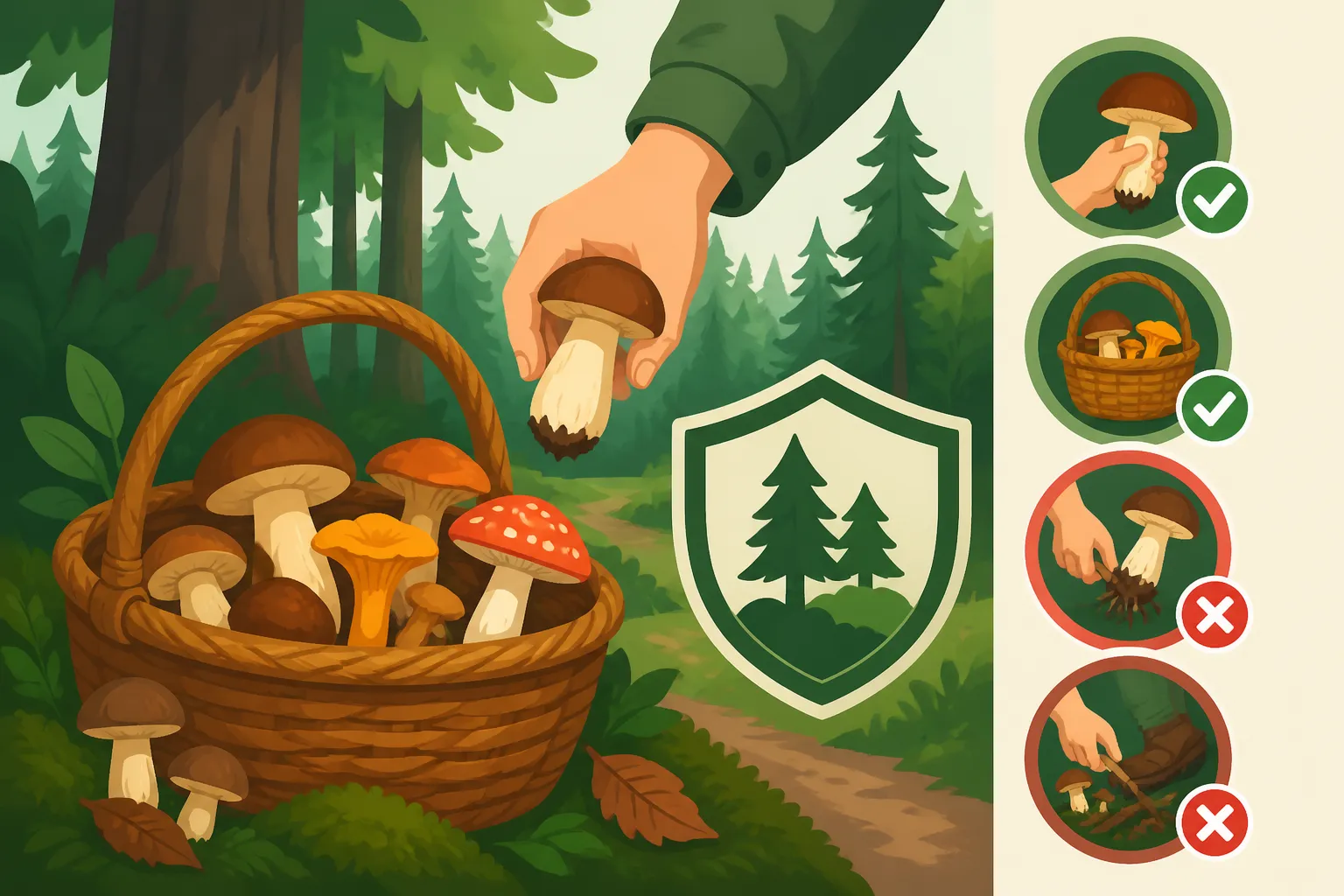
Rules for Foraging (Svampejagt) in Danish Public Forests
Oh, the crisp air, the rustling leaves, the sheer joy of stumbling upon a patch of wild berries or a perfect boletus mushroom! Foraging in Danish forests can be a truly wonderful way to connect with nature and supplement your pantry with some delicious, free treats. But for us expats, the rules surrounding what you can actually take from a Danish forest often feel like a confusing whisper compared to the loud, clear instructions we might be used to back home. If you've been wondering if you can just grab that basket and go, this guide is here to untangle the nuances of "svampejagt" (mushroom hunting) and other foraging in Denmark, making sure your nature adventures stay delightful and legal.
The Allure of Danish Forests and the "Allemandsret" Myth
When you first arrive in Denmark, especially if you come from a country with robust public access laws or even "freedom to roam" (allemandsret) traditions like Sweden or Norway, you might naturally assume you can just wander into any forest and pick whatever you like. It's a common misconception, and it's easy to get caught out. Danish nature is beautiful, and very accessible, but it comes with its own unique set of rules.
Understanding Danish Public Access Rights
Let's get this straight from the get-go: Denmark does not have the same kind of comprehensive "freedom to roam" that you might find in its Scandinavian neighbors. While you absolutely can enjoy Danish forests for recreation, walking, running, and even cycling on designated paths, your right to take things from the forest floor is far more limited and specific. It's a subtle but crucial difference that many of us expats have learned the hard way, often through confused glances from locals or a friendly, but firm, correction. You're welcome to stroll through, breathe in the fresh air, and admire the scenery, but a significant portion of the "allemandsret" ethos simply doesn't apply here when it comes to collecting nature's bounty. If you're planning a longer outing into nature, remember to dress appropriately and consider potential health risks, like those associated with Tick Bites and Lyme Disease (Borrelia): Summer Health in Danish Forests.
Public vs. Private Forests: The Key Distinction
This is where things get really important. In Denmark, all land, including forests, is either owned by the state (public) or by private individuals or companies. The rules for foraging differ significantly between these two categories.
- Public Forests (Statsskov): These are owned by the state, typically managed by Naturstyrelsen (the Danish Nature Agency). These are your primary playgrounds for foraging. You'll often find signs indicating state ownership, or you can check maps on Naturstyrelsen's website. These are generally well-maintained, with clear paths and often some facilities like picnic areas.
- Private Forests: These make up a large portion of Denmark's forest land. The general rule for private forests is that you can walk or cycle on paths and tracks from 6 AM to sunset. However, you absolutely cannot forage on private land without the explicit permission of the landowner. This means no mushrooms, no berries, no nuts – nothing. Trespassing, especially with intent to forage, can lead to fines. It's not always obvious whether a forest is public or private, so if in doubt, it’s always best to assume it’s private and stick to well-known public areas or consult maps. Many people use apps or websites like "Udinaturen.dk" to identify public access areas and trails before heading out.
The Golden Rules of Svampejagt in Public Forests
Alright, now that we've cleared up the public vs. private hurdle, let's dive into what you can do in those lovely public forests. Think of it as a respectful harvest, not a free-for-all. Danes value their shared natural spaces, and understanding these unwritten (and written) rules is key to enjoying them responsibly.
What You Can Actually Take (and How Much)
This is the most common question, and thankfully, the answer is pretty straightforward, albeit a bit vague on specifics. In public forests, you are generally allowed to collect:
- Berries: Wild strawberries, blueberries (if you're lucky to find them!), raspberries, blackberries, lingonberries – you name it.
- Mushrooms: This is the big one! Chanterelles, boletes, puffballs, milk caps, and many more. But, a huge but, only if you are absolutely, 100% certain of their identification.
- Nuts: Hazelnuts and beechnuts are common finds in autumn.
- Herbs and Flowers: Certain wild herbs like ramsons (wild garlic) in spring, or common wildflowers (as long as they are not protected species).
The "Shopping Bag" Rule: The official rule for how much you can take is often described as "what fits in a small shopping bag" or "a hatful" (en spandfuld). This generally translates to a quantity suitable for personal consumption by an individual or a small family. We're talking a few handfuls, perhaps a liter or two, not baskets upon baskets. This isn't about commercial harvesting; it's about enjoying a taste of nature. If you show up with a huge backpack and multiple large containers, you're likely to raise eyebrows and potentially attract unwanted attention from Naturstyrelsen staff. Remember, the idea is to leave plenty for others – both human and animal – to enjoy.
Respecting Nature and Other Foragers
Foraging in Denmark is a shared activity, and it comes with a strong sense of collective responsibility. It's about being a good guest in nature's home.
- Leave Enough for Everyone: This means leaving plenty of berries on the bushes, only taking a few mushrooms from a patch, and not stripping an area bare. Think about the next person, and the wildlife that relies on these resources.
- Don't Damage Plants or Trees: When picking mushrooms, use a small knife to cut the stem just above the ground rather than pulling them up by the roots. Don't break branches to reach berries or nuts. The goal is to collect without harming the plant or its ability to regrow.
- Avoid Trampling Delicate Areas: Stick to existing paths as much as possible, especially in more sensitive ecosystems. Don't create new trails or disturb nesting birds or other wildlife.
- Leave No Trace: This should go without saying, but always take all your rubbish home with you. Denmark's public spaces are generally pristine, and we all play a part in keeping them that way. If you find yourself in need of directions while out in the wilderness, having your phone charged and ready to navigate is key – which means using less data. Perhaps an eSIM from a brand like Airalo could be useful for travelers who need reliable data without roaming charges, though admittedly, it's not a direct foraging tool.
Practicalities for Your Foraging Adventure
So, you're ready to head out? Fantastic! But before you go, a little planning and preparation will make your foraging trip much more enjoyable and safe. Getting to these beautiful spots might involve Public Transport in Denmark: Rejsekort, Trains, and Commuting or even a bike ride, given Denmark's fantastic Danish Cycling Culture: Rules, Buying a Bike, and Safety.
Best Times and Places for Foraging
Timing and location are everything when it comes to successful foraging.
- Seasonality is Key:
- Spring (April-June): Ramsons (vilde hvidløg) are a popular find. Some early mushrooms like Morel (Morkel) can appear.
- Summer (July-August): Berries are abundant! Think wild strawberries, raspberries, and blackberries.
- Autumn (September-November): This is prime mushroom season! Chanterelles (kantareller), Porcini/Boletes (rørhatte), and various types of milk caps (mælkehatte) are eagerly sought after. Nuts like hazelnuts and beechnuts also drop during this period.
- Forest Types: Different trees mean different fungi and plants. Beech (bøg) and oak (eg) forests are often good for many common edible mushrooms, while coniferous (nåleskov) forests might host others. A varied forest with old growth can be a treasure trove.
- Finding Public Forests: The Naturstyrelsen website (Naturstyrelsen.dk) is your best friend here. They have maps and information on state-owned forests, hiking trails, and designated nature areas. Local municipality websites can also point you to public parks and smaller green spaces where foraging rules align with state forests. Look for areas described as "statsskov" or "offentlig skov."
Essential Gear and Safety Tips
Don't just grab a plastic bag and hope for the best! A well-prepared forager is a happy and safe forager.
- Basket or Cloth Bag: Plastic bags don't allow air circulation, which can cause mushrooms to sweat and spoil quickly. A woven basket or a breathable cloth bag is ideal.
- Small Knife: For cleanly cutting mushroom stems without disturbing the mycelial network in the soil.
- Field Guide: This is non-negotiable for mushrooms. Invest in a good, comprehensive mushroom identification guide specific to Danish or Nordic species, with clear photos and descriptions.
- Appropriate Clothing: Dress for the weather and the terrain. Long sleeves and trousers are a good idea, especially in summer, to protect against scratches, insects, and ticks. Also, sturdy, waterproof shoes are a must if you're venturing off paths.
- Tick Removal Kit: Always a good idea to have one, and to check yourself thoroughly after being in the forest. You don't want to bring any unwanted guests home!
- The Golden Rule of Mushroom Foraging: WHEN IN DOUBT, THROW IT OUT! This cannot be stressed enough. There are many poisonous mushrooms in Denmark, some deadly. Never, ever eat a mushroom unless you are 100% confident in its identification. If you're new to this, start with easily identifiable species or better yet, join an experienced group or go on a guided tour. Even seasoned foragers are cautious. It's a skill that takes years to develop safely.
Beyond Public Forests: Foraging on Private Land and Organised Tours
While the wild appeal of striking out on your own is undeniable, there are other avenues for expats to explore the world of Danish foraging.
The Strict Rules for Private Forests
Let's reiterate this to avoid any potential headaches: Do not forage on private land without explicit permission from the landowner. This includes taking any amount of mushrooms, berries, nuts, or even fallen branches. While you generally have the right to walk on paths during daylight hours, collecting anything from the ground is a violation. Landowners can and do put up signs, and ignorance of local laws is not a defense. Fines can be issued, and it's simply not worth the risk. Always respect property boundaries, which sometimes aren't clearly marked, so again, err on the side of caution or use digital maps to confirm land ownership.
Guided Foraging Tours and Community Events
For beginners, or those who want to learn from the pros, guided foraging tours are an excellent option. Many local nature associations, folk high schools, or even private companies offer "svampejagt" or "urtevandring" (herb walks). These tours are invaluable because:
- Expert Guidance: You'll learn from experienced foragers who can teach you safe identification, sustainable harvesting techniques, and the best spots.
- Local Knowledge: Guides often know the prime locations and what's in season.
- Community: It's a great way to meet like-minded people, both Danes and other expats, and build a sense of Foreningsliv: Joining Danish Clubs and Associations to Mingle. Many local Facebook groups dedicated to mushroom foraging in specific regions of Denmark are also thriving communities where people share tips and occasionally organize informal meetups.
Your Role in Sustainable Foraging
Foraging isn't just about what you can get; it's about being a responsible part of the ecosystem. The Danish approach to nature often emphasizes collective well-being and sustainability, an ethos that resonates deeply with the broader Danish Work Culture: Flat Hierarchies, Hygge, and Direct Communication of shared responsibility.
Leaving No Trace and Protecting Biodiversity
As you enjoy the fruits (and fungi!) of the forest, remember that you are a visitor.
- Minimise Impact: Tread lightly. Stick to paths. Don't disturb wildlife. The idea is that no one should be able to tell you were there once you've left.
- Don't Collect Rare or Protected Species: A good field guide will list protected plants and fungi. If you're unsure, leave it. Denmark has a rich but delicate biodiversity, and it's our shared responsibility to protect it.
- Think Long-Term: Over-harvesting can deplete resources for both other foragers and, critically, for the animals that rely on these foods. Sustainable foraging ensures that these natural resources will be there for future generations to enjoy.
Sharing the Bounty and Knowledge
While you might be tempted to keep your secret mushroom spot to yourself (and honestly, many foragers do!), the spirit of sharing knowledge is strong in Denmark. If you're experienced, consider offering tips to newbies. If you're new, don't be shy about asking questions in foraging groups or striking up a conversation with a fellow forager you meet in the woods. Just be careful about sharing mushroom identification advice online unless you are truly an expert; misidentification can have dire consequences.
Connecting with nature, even during the darker months, can be a great way to combat the challenges of adjusting to a new climate. Consider how time outdoors can positively impact your well-being, especially when you think about Winter Depression (SAD) in Denmark: Light Therapy and Vitamin D Tips. Foraging offers a direct, hands-on way to engage with the changing seasons.
Comparing Foraging Rules: Public vs. Private Forests
To make it super clear, here's a quick overview of the key differences:
| Feature | Public Forests (Statsskov) | Private Forests |
|---|---|---|
| Access Rights | Free access, day and night (some areas restricted) | Paths and tracks only, 6 AM to sunset |
| Foraging Allowed | Yes, "a small shopping bag's worth" for personal use | No, absolutely not without landowner's explicit permission |
| Common Items | Berries, mushrooms, nuts, wild herbs, common wildflowers | None (unless permission granted) |
| Walking Off Paths | Generally allowed, but respect sensitive areas | Only with landowner's explicit permission |
| Identification | Crucial for mushrooms (never eat unknown ones) | Not relevant, as foraging is prohibited |
| Consequences of Violating Rules | Risk of being asked to leave, potential fines (rare) | Fines for trespassing and illegal harvesting |
Disclaimer
The information provided in this guide is intended for general informational purposes only and does not constitute legal advice. Laws and regulations regarding public access and foraging in Denmark can change, and interpretation may vary. Always consult official sources like Naturstyrelsen (the Danish Nature Agency) or local municipality guidelines for the most current and accurate information. Foraging for mushrooms and plants carries inherent risks, and it is the individual's responsibility to ensure correct identification and safe consumption. The author and publisher of this guide assume no liability for any incidents resulting from foraging activities.