The Reality of Winter Biking in Denmark: Tires and Gear Required
Ah, winter biking in Denmark! You’ve probably seen the postcard images, right? Danes breezing through picturesque, snowy streets on their bikes, looking effortlessly chic. And then you try it yourself, and quickly discover the reality is often less "hygge" and more "hellish." The romantic notion quickly evaporates when your hands go numb, your chain grinds with grit, and a patch of black ice nearly sends you flying. This guide is here to strip away the romanticized fluff and give you the raw, empathetic truth about cycling through a Danish winter, complete with actionable advice on the tires, gear, and mindset you’ll absolutely need to survive it.
The Unromantic Truth of Winter Cycling in Denmark
Let’s be honest, the idea of winter cycling here can seem idyllic at first. Crisp air, quiet streets, maybe a light dusting of snow. But for us expats, who often arrive with visions of effortless Scandinavian living, the practical reality of winter biking in Denmark hits hard. It’s not always a snow globe scene; more often, it's a relentless assault of slush, grit, freezing rain, and a pervasive damp chill that seeps into your bones.
Beyond the Fairy-tale Snow
Forget the fairy-tale images you might have in your head of gently falling snow and perfectly cleared bike lanes. The Danish winter is notoriously grey, wet, and often windy. Picture this: you're cycling to work, and what started as a light frost quickly turns into a treacherous mix of melting snow and dirty water, kicked up by every passing car and bus. Your bike, and you, become caked in a cocktail of mud, road salt, and whatever else the urban environment throws your way. It’s messy, it’s cold, and it can be downright demoralizing when you arrive at your destination looking like you’ve wrestled a badger in a car park.
This isn't just about aesthetics; this cocktail of elements is brutal on your bike. The salt used to de-ice roads is incredibly corrosive. It loves to eat away at chains, sprockets, brake calipers, and essentially any metal part it can reach. It is common to see bikes that look years older after just one Danish winter, simply because their owners weren’t prepared for the sheer chemical assault. It’s a costly lesson to learn, and one that proper preparation can help you avoid.
Understanding Danish Winter Conditions
Danish winters are a masterclass in subtlety, often shifting from tolerable to treacherous in a matter of hours. The temperatures hover just around freezing for extended periods, creating a perfect storm for black ice. You can be cycling on what looks like perfectly dry asphalt, only for a shaded patch or a bridge to surprise you with an invisible sheet of ice. This is the biggest fear of any winter cyclist here, and for good reason – it sends more people to the emergency room than fresh snow.
Add to this the relentless wind, particularly if you’re anywhere near the coast or cycling across open fields. The wind chill factor can make an already cold day feel absolutely arctic, piercing through what you thought was adequate clothing. And then there are the incredibly short daylight hours. From late October to early March, it feels like perpetual dusk or darkness. You’ll be cycling to work in the dark and cycling home in the dark, making visibility a paramount concern. While municipalities do their best to clear bike paths, especially major arteries in cities like Copenhagen or Aarhus, it's never a guarantee. Smaller paths, residential streets, and rural routes can remain icy or covered in slush for days, forcing you to adapt your routes or even reconsider cycling altogether on particularly bad days. It’s a constant battle against the elements, and it truly tests your commitment to the two-wheeled life.
Essential Gear for Your Winter Bike
If you're going to brave the Danish winter on two wheels, your bike needs a serious upgrade. This isn’t about making it look pretty; it's about making it functional and, most importantly, safe. Think of it as preparing your trusty steed for battle.
The Right Tires Make All the Difference
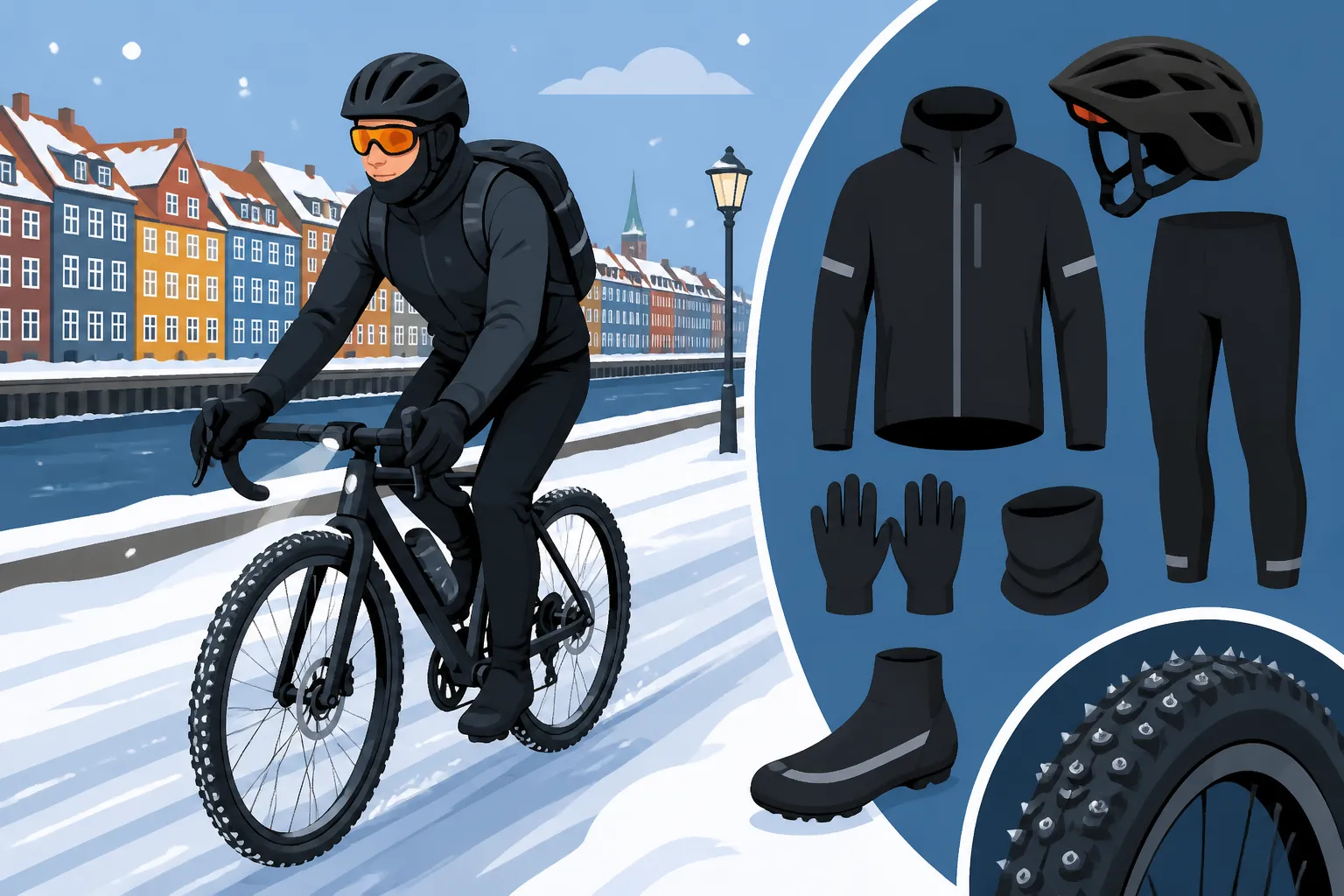
When the mercury drops and the ground freezes, your regular summer tires become about as useful as roller skates on an ice rink. They’re simply not designed for the grip required on slick, icy, or slushy surfaces. This is where winter tires come into play. Many Danes, and increasingly expats, invest in "pigdæk," or studded tires. These aren't just for extreme conditions; they are genuinely life-savers on black ice.
Studded tires have small metal studs embedded in the rubber, providing traction on ice that no regular tire can match. Imagine cycling across a patch of ice that would normally send your wheel spinning out from under you, but with studded tires, you feel a reassuring grip. It’s transformative for confidence and safety. However, they're not without their quirks. They can be a bit slower on clear, dry asphalt, creating a slight "buzzing" sound as you ride. The general rule of thumb here is to put them on when temperatures consistently drop below freezing and there’s a risk of ice, typically from November to March, and then swap them back out in spring. It's a bit of a faff, but worth it.
If studded tires feel like too much commitment, you can opt for wider tires with a more aggressive tread pattern. These offer better grip in slush and loose snow compared to smooth road tires, though they won't provide the same ice-gripping ability as studs. Just make sure they fit your frame and fenders! Regardless of your choice, don’t underestimate the power of adjusting your tire pressure. Slightly lower pressure can increase the contact patch with the ground, giving you a bit more grip on slippery surfaces. It's a small tweak that can make a noticeable difference when navigating those tricky icy patches.
Lighting Up the Darkness
Given how little daylight Denmark gets in winter, proper lighting isn’t just a recommendation; it’s a legal requirement and an absolute necessity for your safety. Danish law mandates that you have a white light visible from the front and a red light visible from the rear when cycling in the dark. But honestly, the bare minimum won't cut it. You need strong, reliable lights. Read up on Mandatory Bike Lights and Hand Signals in Danish Traffic to ensure you're compliant.
The cold weather can be brutal on battery life, and this is a common frustration for many expats. Those cheap, clip-on lights that were fine in summer will likely die halfway through your journey in freezing temperatures. Invest in good quality, USB-rechargeable lights with a decent lumen output and long battery life. Consider getting a spare set or a power bank for emergencies. Beyond your bike lights, think about how you appear from the side. Reflectors on your wheels, pedals, and clothing are vital. You want to be a beacon of light, not a ghost appearing out of the gloom. Reflective tape on your frame or helmet can also make a huge difference in low light conditions, ensuring you’re seen by drivers who might not be paying full attention.
Fenders and Chain Protection
If you’ve ever ridden your bike in the rain or through slush without fenders (skærme), you’ll know the unpleasant feeling of a wet stripe up your back, or worse, mud and grit sprayed directly into your face. In Danish winter, fenders are non-negotiable. They protect not just you, but also your bike’s components from the constant onslaught of salty slush and gritty water.
Full-length fenders offer the best protection, covering a significant portion of your wheels to deflect spray downwards. Without them, your chain, bottom bracket, and brake calipers are exposed to the corrosive road salt, leading to premature wear and rust. And speaking of chains, they need serious attention in winter. Road salt will eat through a poorly maintained chain in no time, leading to expensive replacements and annoying squeaks. Regularly clean your chain and apply a generous amount of wet lubricant – the kind designed for rainy conditions – which adheres better and lasts longer than dry lube. Some bikes come with a full chain guard, which is excellent for protection. Alternatively, bikes with internal gear hubs (like many traditional Danish city bikes) offer a more enclosed drivetrain, which is inherently better protected from the elements and requires less frequent maintenance, making them a popular choice. If you're considering a new ride, check out advice on Using Swapfiets vs. Buying a Used Bike on DBA to find a suitable winter steed.
Dressing for Danish Winter Biking Success
You can have the best winterized bike in Denmark, but if you’re not dressed for the weather, you’re in for a miserable experience. Danish winters demand a strategic approach to clothing, one that balances warmth, breathability, and visibility.
Layering Like a Pro
The key to staying warm and comfortable while cycling in Danish winter is the "onion principle" – layering. You need multiple thin layers rather than one thick, bulky one. This allows you to regulate your body temperature effectively, shedding a layer if you get too warm or adding one if the wind picks up. Start with a good base layer. This should be made of moisture-wicking material like merino wool or synthetic fabric, which draws sweat away from your skin. Cotton is your enemy here; once it gets wet, it stays wet and will make you cold.
Next, add a mid-layer for insulation – a fleece or a light wool jumper works well. Finally, your outer layer should be a waterproof and windproof jacket. It doesn’t have to be super thick, as the inner layers provide the warmth, but it must keep out the biting wind and the incessant drizzle. Remember, you’re generating heat as you cycle, so you want to be slightly cool when you start, knowing you’ll warm up. Overheating means sweating, and sweating in cold weather is a recipe for hypothermia once you stop moving.
Protecting Extremities: Head, Hands, and Feet
These are the first parts of your body to suffer from the cold, and protecting them is crucial for both comfort and safety. A good cycling helmet is important, and in winter, ensure it's roomy enough to fit over a thin wool beanie or a balaclava. A balaclava is fantastic for protecting your face, ears, and neck from the biting wind, especially on longer rides. Many Danes don't wear helmets, but consider if Do I Need a Helmet to Ride a Bike Legally in Denmark? might change your mind.
Your hands will take a beating from the wind and cold. Thin gloves won't cut it. Invest in high-quality, waterproof, and windproof gloves or, even better, mittens. Mittens keep your fingers together, generating more warmth. For extreme cold, some cyclists swear by "bar muffs" or handlebar mitts, which attach to your handlebars and completely enclose your hands, allowing you to wear thinner gloves inside while staying toasty. For your feet, waterproof cycling shoes or overshoes are a game-changer. Combine these with thick wool socks (again, avoid cotton!), and your feet will thank you. There’s nothing worse than numb toes halfway through your commute.
Visibility is Key
In the perpetual twilight and darkness of Danish winter, being seen is just as important as seeing where you're going. Beyond your mandatory bike lights, your clothing plays a vital role in making you visible to other road users. Choose outerwear in bright, fluorescent colors if possible, but more importantly, ensure it has plenty of reflective elements.
Reflective vests or jackets with integrated reflective strips are excellent choices. Remember, car headlights will pick up reflective material much better than just a bright color in the dark. Think about reflective details on your shoes, helmet, and even your backpack. The more reflective surface area you present to traffic, the safer you’ll be. It’s about creating a strong, visible silhouette from all angles, ensuring that drivers, pedestrians, and other cyclists spot you well in advance, even on the gloomiest of Danish winter days.
Maintenance and Mindset for the Winter Cyclist
Surviving winter biking in Denmark isn't just about the right gear; it's also about adopting a new routine for bike care and cultivating a resilient mindset.
Post-Ride Care and Cleaning
This is where many new winter cyclists fall short. The moment you get home, it’s tempting to just stash your bike and forget about it. However, the road salt and grime are already hard at work corroding your components. An immediate rinse with fresh water, especially on your chain and gears, can make a huge difference. You don't need a full scrub-down every day, but a quick spray to wash off the worst of the salt goes a long way.
Following the rinse, re-lubricate your chain frequently. In winter, using a 'wet lube' is preferable, as it's designed to withstand water and adhere better in harsh conditions. Keep an eye on your brakes and gears too; the cold and wet can affect their performance. Check tire pressure regularly, as cold temperatures cause air to contract, leading to a drop in pressure. If you live in an apartment, this can be tricky. You might need to use the common Washing Machine Etiquette: Shared Laundries (Vaskekælder) in Apartments space in your building's basement for a quick wipe-down, or invest in a small brush and bucket to keep the mess contained. The extra few minutes of care after each ride will save you significant money and headaches in the long run.
Embracing the Danish Pragmatism
Look, as expats, we often feel this pressure to "go native" and embrace everything Danish, including the cycling culture, come rain or shine, or freezing sleet. But here’s a secret: even Danes are pragmatic. There will be days when the conditions are simply too brutal, too icy, or too windy to make cycling enjoyable or safe. And that’s okay. It's perfectly fine to sometimes take the bus, the S-train, or the Metro. Don’t feel like you have to be a hero every single day. Public Transport in Denmark: Rejsekort, Trains, and Commuting is there for a reason!
Winter can be mentally draining, with the short days and constant grey skies. Give yourself a break. If cycling feels like a monumental effort, choose another mode of transport. However, on those crisp, dry winter days when the sun actually makes an appearance, there's a unique satisfaction to cycling. The air feels cleaner, the city is quieter, and you feel like you've truly earned your 'hygge' moments. It's about finding that balance and not letting the romanticized image override your personal well-being and safety.
When to Give Up and Take Public Transport
There are indeed times when even the most seasoned winter cyclist in Denmark throws in the towel. If there's persistent black ice, especially after a brief thaw and refreeze, cycling is genuinely dangerous. Heavy snowfall can also make cycling arduous and slow, particularly if the bike lanes aren't cleared quickly. Severe wind storms, which are not uncommon here, can make balancing difficult and cycling directly into the wind feel like an impossible task. In these conditions, safety should always be your top priority.
Don't hesitate to use Denmark's excellent public transport system. Your Buying a Rejsekort (Travel Card): Anonymous vs. Personal Cards or Commuter Passes (Pendlerkort): Saving Money on Daily Train Rides will be your best friend on those days. It’s not a sign of weakness; it’s a sign of good judgment. Know your limits, listen to weather warnings, and be prepared to pivot your commute plans. Remember, getting to your destination safely and without frostbite is always the goal, no matter how you get there.
| Gear Item | Why It's Essential for Danish Winter | Key Considerations |
|---|---|---|
| Studded Tires | Unparalleled grip on black ice. | Slower on dry asphalt; apply/remove seasonally (Nov-Mar). |
| Powerful Lights | Crucial for visibility in long darkness. | USB rechargeable; good battery life in cold; front white, rear red. |
| Full Fenders | Protects bike and rider from slush/salt. | Ensure good coverage; reduces corrosion and keeps you cleaner. |
| Wet Lube for Chain | Prevents rust and smooth operation. | Apply frequently after rinsing off salt; specific for wet conditions. |
| Waterproof/Windproof Jacket | Keeps core dry and warm. | Breathable material; bright colors with reflective elements. |
| Waterproof Gloves/Mittens | Prevents numb fingers and frostbite. | Windproof is key; consider handlebar mitts for extra warmth. |
| Wool Socks & Waterproof Shoes | Keeps feet warm and dry. | Avoid cotton; overshoes can add waterproof layer to existing shoes. |
| Balaclava/Beanie | Head, ear, and face protection. | Fits under helmet; blocks wind chill. |
| Reflective Clothing | Enhances visibility to others. | Bright colors; reflective strips on all sides (jacket, pants, backpack). |
Disclaimer
The information provided in this guide is intended for general informational purposes only and does not constitute professional advice. While we strive to offer accurate and up-to-date guidance for expats in Denmark, regulations, conditions, and personal circumstances can vary. Always consult official Danish government sources, local authorities, or relevant professionals for advice tailored to your specific situation. The author and publisher are not responsible for any actions taken based on the information presented herein.