Applying for a Danish Passport After Gaining Citizenship
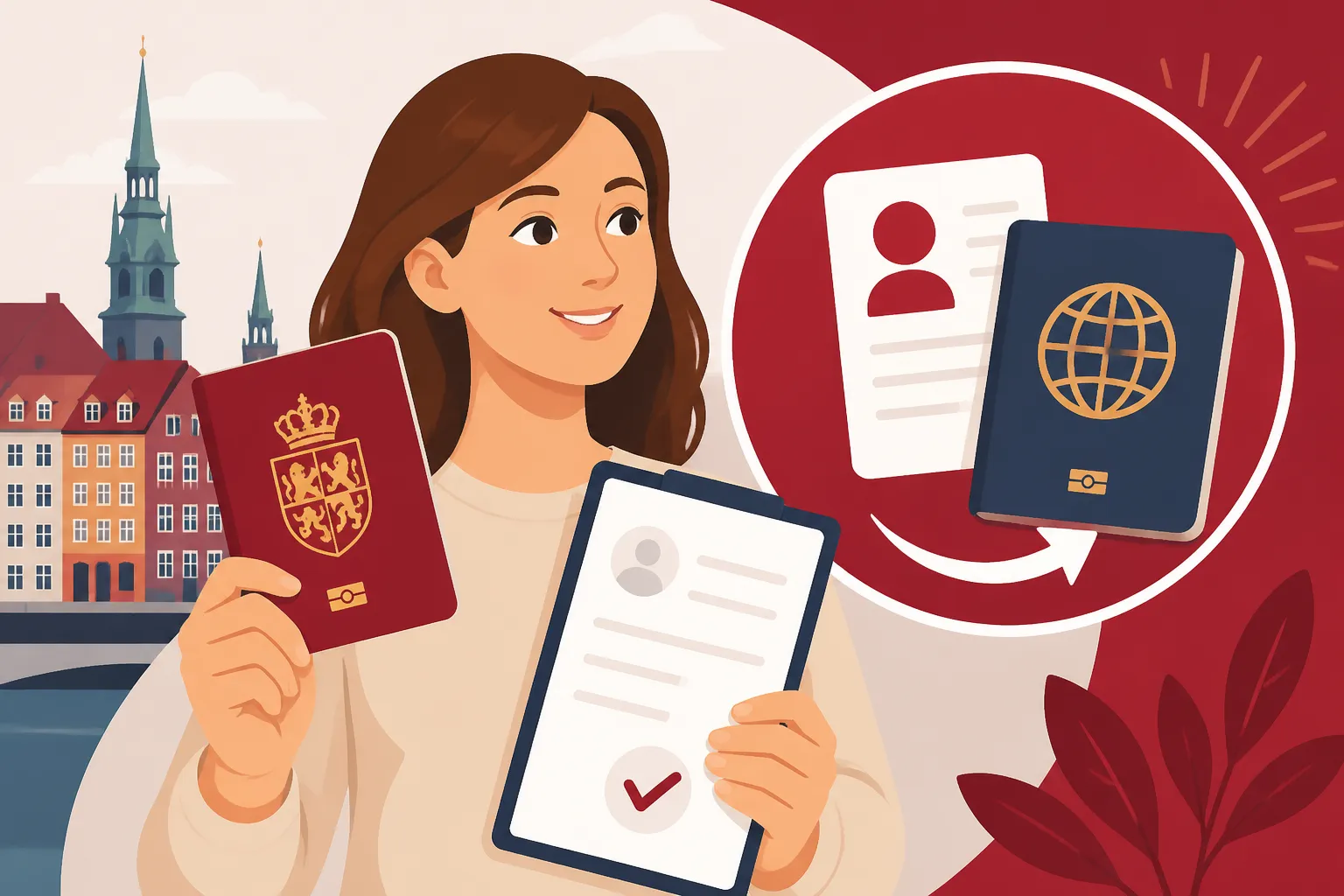
After years of navigating paperwork, language tests, and patiently integrating into Danish society, receiving that official confirmation of your Danish citizenship is a monumental achievement. It's a moment of profound relief and immense pride, marking the true culmination of your journey. But wait, the journey isn't quite over yet! Now that you're officially a Danish citizen, the next exciting step is applying for your very first Danish passport. This guide is here to walk you through that final, crucial process, making sure you know exactly what to expect and how to secure your new symbol of Danish belonging.
The Sweet Victory of Danish Citizenship: What Comes Next?
Finally holding that official document, the Statsborgerskabsbevis, confirming you are now a Danish citizen is a truly special feeling. For many expats, this moment isn't just about gaining a new nationality; it's the culmination of years of hard work, learning a new language, understanding complex bureaucratic processes, and truly making Denmark your home. It’s a recognition of your commitment and integration, and it's absolutely something to be proud of.
Celebrating Your New Status
Let's be honest, the path to Danish citizenship isn't always a walk in the park. It often involves significant effort, from learning the language to passing the citizenship test, and navigating the various requirements laid out in guides like Danish Citizenship (Statsborgerskab): Tests, Timelines, and Requirements. There are moments of frustration, moments of doubt, and then, finally, the sweet taste of success. That citizenship certificate feels like a golden ticket, a tangible reward for all those late nights studying Danish grammar or deciphering official letters.
While some municipalities might offer a citizenship ceremony, the real celebration often happens personally, with friends and family who have supported you through this lengthy process. This status signifies that you're no longer just a resident; you're a full member of the Danish community, with all the rights and responsibilities that entail, including the right to vote in national elections and a deeper sense of belonging. The certificate itself is a great keepsake, but it's the passport that truly opens up the next chapter.
Why a Danish Passport is More Than Just a Travel Document
In our modern, increasingly digital world, a physical passport might seem like just another piece of plastic and paper. However, for a newly minted Danish citizen, it's far more profound. It's your primary and most universally recognized form of identification. While you've likely relied on your The Yellow Health Card (Sundhedskort): Your Key to Danish Healthcare for local identification or used your NemKonto and MitID: The Core of Danish Digital Finance (2027) for digital services, your Danish passport is the ultimate proof of your new nationality, accepted globally.
Think about all those times you might have needed to show a foreign passport for age verification, opening a new bank account, or even just picking up a package. Now, you’ll have a Danish one, instantly recognized and respected. Beyond its practical uses within Denmark, it also grants you the incredible freedom of movement that comes with EU citizenship, allowing you to travel, live, and work across the European Union with ease. It's a symbol of both national pride and international privilege, unlocking doors you might not have even known existed.
Navigating the Application Process for Your First Danish Passport
Okay, the celebrations are done, and you’re eager to get your hands on that iconic red document. Unlike the initial citizenship application, which often involves the Danish Immigration Service (SIRI), applying for your passport is a decidedly local affair.
Where to Apply and What to Bring
This is where the direct administrative arm of Denmark truly shines: your passport application is handled by your local municipality, or kommune. You absolutely must apply in person, as this is where your biometrics will be collected. This hyper-local approach means you’ll go to your local Borgerservice (Citizen Service) office. It’s a refreshing change from the often more distant and complex processes associated with immigration, bringing the final step much closer to home.
When you head to your kommune, make sure you have the following essential documents:
- Your original Danish citizenship certificate (Statsborgerskabsbevis): This is non-negotiable and the most crucial piece of evidence.
- Your current foreign passport: Even if it’s expired, bring it. It serves as proof of your previous identity and travel history. They will often invalidate it for travel purposes (e.g., by punching holes in it), but it remains yours.
- Your Danish residence card (if applicable): If you still have one, bring it, although your citizenship certificate generally supersedes it.
- Proof of address: While usually tied to your CPR number, it's always good to have a recent official letter just in case.
For families, particularly if you're applying for a child's first Danish passport after they've gained citizenship, both parents usually need to be present and provide proof of parental authority. Each municipality's website will have a specific checklist, so definitely check your local kommune's site or call them before you go. This helps avoid the dreaded "you forgot one document" scenario that can send you home frustrated, much like some experiences navigating other official processes in Denmark, such as initial CPR registration and healthcare entitlement.
The Importance of Accurate Documentation and Translations
In Denmark, precision in paperwork is paramount. If any of your supporting documents – such as birth certificates, marriage certificates, or official name change documents – are not in Danish, English, German, or Norwegian, you will need a certified translation. This is not a suggestion; it’s a requirement. Trying to submit documents in other languages without proper certification is a sure-fire way to encounter delays.
This is where professional translation services become invaluable. Reputable services like RushTranslate or Translayte specialize in certified translations that are accepted by Danish authorities. They understand the strict requirements for accuracy and official validation, ensuring your documents meet the necessary standards. Don't underestimate the importance of a certified translation; it's about guaranteeing that the authorities can fully understand and trust the information presented in your documents, avoiding any ambiguities that could hold up your application.
Beyond translations, ensure absolute consistency in your name. The name on your new Danish passport must perfectly match the name on your citizenship certificate. If you've undergone any name changes (due to marriage, divorce, or personal choice), all supporting documents must reflect your current legal name. Any discrepancy, however minor, will cause your application to be flagged and delayed. This emphasis on consistency is a recurring theme in Danish bureaucracy, as detailed in discussions around Apostille Stamps: Document Preparation for Danish Visa Applications and other official processes.
Biometrics, Photos, and Fees
The physical act of applying for your passport at the Borgerservice involves a few key steps:
- Biometrics: At your appointment, the staff will take your fingerprints and capture your signature digitally. This is a quick and straightforward process done directly at their office.
- Passport Photo: Danish passport photos have very specific requirements: a plain white or light grey background, a neutral expression (no smiling!), no glasses, and strict dimensions. You can either bring a photo that meets these standards from a professional photographer or, often, have your photo taken directly at the Borgerservice for an additional fee. While convenient, getting it done there ensures it meets their exact specifications, avoiding a common pitfall.
- Fees: There is a fixed fee for a Danish passport, which varies slightly based on age and processing time. You will need to pay this fee at the time of application, typically using your Dankort or MobilePay.
Here’s a general overview of the passport fees, though it’s always wise to check your specific municipality’s website or Borger.dk for the most current rates:
| Passport Type | Typical Fee (DKK) | Estimated Processing Time |
|---|---|---|
| Standard Passport (Adult) | 890 – 1,000 DKK | 2-4 weeks |
| Standard Passport (Child <12) | 160 – 200 DKK | 2-4 weeks |
| Express Passport (Hastepas) | Standard Fee + 400 DKK | 3-5 working days |
| Temporary Passport (Provisorisk Pas) | 500 – 600 DKK | Issued on-site for immediate travel |
(Note: These fees are indicative for 2024. Always verify current prices with your local municipality.)
The Waiting Game and Passport Collection
Once you've submitted your application and paid the fee, the waiting period begins. This part can feel a bit like waiting for official communication after your initial citizenship application, but typically with less anxiety.
Understanding Processing Times
Standard processing times for a Danish passport usually range from 2 to 4 weeks. However, this can fluctuate based on seasonal demand, particularly during the busy summer holiday periods when many Danes are applying for new passports. It's not uncommon for waiting times to extend a bit during these peak times. While you generally won't receive a detailed tracking number like a postal package, your municipality will often give you an estimated collection date. For official updates or notifications regarding your application, keep a close eye on your Digital Post, whether it's through E-Boks vs. Mit.dk: Receiving Official Financial Mail from the State or your preferred platform.
If you have urgent travel plans, Denmark does offer an express passport, known as a hastepas. This comes with an additional fee but significantly speeds up the processing time, often allowing you to collect your passport within 3 to 5 working days. However, this option is generally reserved for genuine emergencies and not for casual last-minute travel plans. There's also a provisorisk pas (temporary passport) that can be issued on the spot for immediate, urgent travel, though it has limited validity and acceptance.
Collecting Your New Passport
When your shiny new Danish passport is ready, your municipality will notify you. This notification typically arrives via your Digital Post or sometimes by a physical letter to your registered address. You'll then need to make another trip back to the Borgerservice office for collection.
When you go to collect, make sure you bring:
- Your old foreign passport: They often need to see it one last time, even if it's already been officially invalidated.
- Your application receipt: This serves as proof of your application and entitlement to the new passport.
The moment they hand over your brand-new, red Danish passport is genuinely thrilling. Before you leave, take a minute to thoroughly check all the details: your name, date of birth, place of birth, and photo. Ensure everything is absolutely accurate. Catching an error before you leave the Borgerservice is infinitely easier than discovering it later.
Updating Other Identifications and Travel Documents
Congratulations, you're officially a Danish passport holder! Now, it's time to consider how this affects your other identifications. While your CPR number is the central identifier in Denmark, connecting you to your The Yellow Health Card (Sundhedskort): Your Key to Danish Healthcare and other official records, having your Danish passport means you have the ultimate proof of identity.
If you previously traveled extensively on your old passport, remember to update any frequent flyer programs, trusted traveler programs, or international border control systems (like ESTA for US travel, if you previously required it) with your new passport information. If you're coming from a country that still requires visas for certain destinations, research whether these visas might need to be transferred to your new passport or if a new visa is required.
Furthermore, if Denmark is a country that allows Dual Citizenship: Does Denmark Allow You to Keep Your Original Passport?, you might choose to retain your previous passport as well. This can be useful for travel back to your country of origin or for maintaining any historical records of past visas and travel stamps. However, be aware that Danish authorities will typically invalidate your old foreign passport for travel purposes by punching holes in it when you receive your Danish one.
Common Pitfalls and Expert Tips for a Smooth Application
While applying for your Danish passport is generally a straightforward administrative task, there are a few common stumbling blocks that can lead to delays or frustration. Being prepared can save you a lot of hassle.
Double-Checking Everything
The absolute golden rule for any interaction with Danish bureaucracy, and especially for your passport application, is to double-check everything. Missing a single document, having an outdated form, or submitting a photo that doesn't meet the precise specifications are the most common reasons for delays. Before your appointment, visit your municipality's website and print out their specific checklist. Go through it several times. If anything is unclear, pick up the phone and call your local Borgerservice. Asking a question upfront is always better than having to re-book an appointment or wait longer for your passport.
One crucial area to scrutinize is name consistency. This cannot be stressed enough. If you’ve ever changed your name due to marriage, divorce, or personal preference, ensure the name on your Danish citizenship certificate and all supporting documents exactly matches the name you want on your new passport. Any discrepancies will likely lead to questions and delays. This is a common point of confusion for expats, as explored in topics like Name Changes on Your Passport: How to Update Your Danish Residence Card. Proactively addressing this means a smoother process.
Finally, resist the urge to use a casual photo. Invest in a professional passport photo that clearly meets Danish standards. The municipality staff are trained to spot non-compliant photos immediately, and it's an easy fix to avoid a rejection.
What to Do If There Are Issues
Even with the best preparation, sometimes things don't go perfectly. If your application is delayed or, in rare cases, rejected, don't panic. The municipality will usually provide a clear reason for the issue.
Your first step should always be to contact your kommune's Borgerservice directly. Be polite, have your application reference number handy, and clearly explain your situation. Ask them for precise, step-by-step instructions on how to rectify the problem. They are the best resource for resolving local administrative issues. For most passport-related problems, it’s about correcting a document, providing missing information, or re-taking a photo. It’s highly unlikely to be a complex legal challenge.
Keeping Your Old Passports
One common question among new Danish citizens, especially those from countries that historically did not allow dual nationality, is what to do with their old passport. The good news is that Denmark generally allows Dual Citizenship: Does Denmark Allow You to Keep Your Original Passport?, which means you can typically retain your old passport(s). As mentioned, the Danish authorities will usually invalidate it for travel by punching holes or clipping a corner, but the document itself remains yours.
There are good reasons to keep your old passport. It serves as a historical record of your travels, contains old visa stamps, and can still act as a valid form of identification for your previous nationality, especially if you need to access services or re-enter your country of origin. Think of it as a tangible memoir of your journey, showing where you’ve come from and the path that led you to Danish citizenship. Safely store both your new Danish passport and your old passport(s) in a secure place. While your new passport is your primary travel document, your old one still holds sentimental and practical value.
Disclaimer
The information provided in this guide is for general informational purposes only and does not constitute legal or professional advice. While we strive to provide accurate and up-to-date information, rules and regulations in Denmark can change. Always consult official government sources (such as Borger.dk or your local municipality's website) or seek advice from a qualified legal professional for specific guidance on your situation.