Dual Citizenship: Does Denmark Allow You to Keep Your Original Passport?
The journey to make Denmark your permanent home is filled with hope, but also a fair bit of bureaucratic head-scratching. One of the biggest questions that often weighs on the minds of expats, especially when considering Danish citizenship, is whether you'll be forced to give up the passport and nationality you’ve always held dear. This guide is here to untangle the complexities of dual citizenship in Denmark, explaining the seismic shift that happened not so long ago, and what it means for your identity and future here.
The Evolution of Dual Citizenship in Denmark: A Recent History
For a long time, Denmark was quite strict about nationality. Many of us expats arriving years ago had to face the daunting choice: fully embrace Danish identity by renouncing our original citizenship, or remain a permanent resident without ever truly becoming a Dane in the eyes of the law. It was a tough pill to swallow for many, feeling like you had to sever a part of your heritage to gain a new one.
Before 2015: A Strict One-Citizenship Rule
Before the pivotal year of 2015, Denmark operated under a general principle of single nationality. This meant that if you were a foreign citizen applying for Danish citizenship, you were typically required to renounce your previous citizenship as a condition for becoming Danish. This wasn't unique to Denmark; many other countries historically held similar views, believing that full allegiance required a singular national identity. For expats, this created a significant emotional and practical dilemma. Imagine building a life here, contributing to society, speaking the language, and then being asked to essentially choose between two parts of yourself. It led to many delaying or outright abandoning the idea of becoming a citizen, opting instead to maintain permanent residency, which, while secure, still felt like living in a perpetual waiting room. The rules were clear, albeit often frustrating for those of us who valued our heritage.
The Game-Changer of 2015: Welcoming Dual Nationality
Then, a breath of fresh air arrived. On September 1, 2015, Denmark passed a groundbreaking amendment to its Nationality Act, officially allowing dual citizenship. This change was a monumental shift in policy, acknowledging the realities of a globalized world and the diverse identities of its residents. It recognized that people can indeed hold loyalties and connections to more than one nation without compromising their commitment to Denmark. For many of us who had been living here for years, this news felt like a massive weight lifted, opening the door to a more inclusive future. It meant that the dream of fully integrating and becoming a Danish citizen no longer came with the painful price tag of renouncing one's roots.
The political landscape leading up to this change was complex, reflecting broader debates across Europe about immigration and national identity. However, ultimately, the consensus shifted towards pragmatism and inclusion, understanding that dual citizenship could actually strengthen ties rather than weaken them. It was a recognition that many expats are not just temporary guests but long-term contributors who wish to formalize their belonging while still honoring their past.
How the 2015 Law Shifted the Landscape for Expats
The introduction of dual citizenship fundamentally altered the path to Danish nationality for thousands of foreign residents. Suddenly, the choice wasn't about 'either/or' but 'both/and'. This change was not just about legal status; it had a profound psychological impact, fostering a greater sense of belonging and reducing the feeling of being in limbo. Expats could now pursue Danish citizenship knowing they wouldn't lose their original passport, their right to vote in their home country (if allowed by that country), or their familial and cultural ties back home.
Furthermore, the new law also included provisions for former Danish citizens who had previously lost their Danish nationality due to the old rules to regain it, and for foreign citizens who had previously been forced to renounce their original citizenship to regain that as well. This retroactive element truly showcased the spirit of the reform, correcting past injustices and embracing a more modern view of nationality. It meant that families who had been split across different national identities could now potentially reunite under a shared Danish identity while still maintaining their diverse heritage.
Here's a quick overview of how things changed:
| Feature | Before September 1, 2015 | After September 1, 2015 |
|---|---|---|
| Dual Citizenship | Generally NOT allowed; renunciation required | Generally ALLOWED; no renunciation required |
| Former Danish Citizens | Difficult to regain Danish citizenship if lost | Easier for former Danish citizens to regain nationality |
| Foreign Citizenship | Often lost when acquiring Danish citizenship | Can be retained when acquiring Danish citizenship (if home country allows) |
| Identity Impact | Forced choice, potential sense of loss of heritage | More inclusive, fosters stronger sense of belonging |
This legislative change has truly made the process of becoming Danish a more accessible and less emotionally taxing experience for many.
Understanding What Dual Citizenship Means for You
So, Denmark now allows dual citizenship. Fantastic, right? But what does that actually mean for you, practically speaking, once you hold two passports? It's more than just having two pieces of travel ID; it comes with a unique set of rights, responsibilities, and sometimes, a little extra administrative complexity.
The Rights and Responsibilities of a Dual Citizen
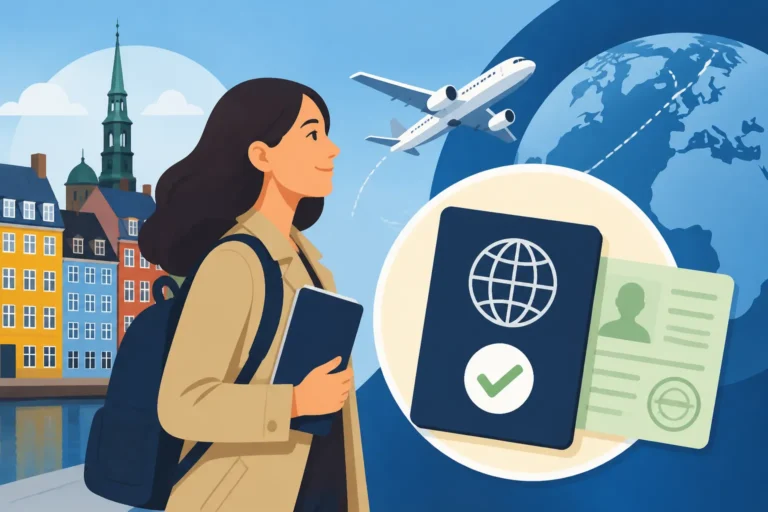
As a dual citizen, you effectively hold the rights and responsibilities of both countries whose nationality you possess. For your Danish citizenship, this means you can live, work, and study in Denmark indefinitely, and critically, you gain the right to vote in national elections, participate in referendums, and even run for public office. You're fully integrated into Danish society, with access to all the social benefits and protections afforded to Danish citizens. You can also work anywhere in the EU/EEA without needing a separate work permit. Furthermore, you'll be able to get a Danish Passport After Gaining Citizenship, which offers visa-free travel to many more countries worldwide.
However, your original citizenship doesn't disappear. You retain the rights and responsibilities of your country of origin as well, which can include the right to vote there, hold property, or access consular services. It's crucial to understand that your home country's laws still apply to you as one of their citizens. For instance, some countries have mandatory military service for their citizens, regardless of where they reside or if they hold another citizenship. This is something you'd need to investigate thoroughly based on your specific country of origin. You also have the right to seek assistance from either country's diplomatic missions while abroad. Imagine being in a tricky situation overseas; you now have two embassies you can potentially turn to for help!
Practical Implications for Travel and Bureaucracy
Having two passports can be incredibly convenient for international travel. You can choose which passport to use depending on your destination, potentially leveraging visa-free access to different regions of the world. For example, if your original passport offers easier entry to a specific country than your Danish one, you can use it. Conversely, the Danish passport is one of the most powerful in the world for international travel. However, there's a golden rule for dual nationals: always enter and exit a country using the same passport. If you enter Denmark with your Danish passport, make sure you leave with it too. The same goes for your country of origin. This avoids confusion for immigration officials and helps track your entry and exit dates accurately.
When it comes to Danish bureaucracy, your Danish citizenship takes precedence while you are in Denmark. You'll interact with authorities like SIRI (the Danish Agency for International Recruitment and Integration) or the municipality as a Danish citizen, not a foreign one, though your original nationality will still be registered. For matters like applying for a loan, registering for schools, or even just daily interactions, your Danish citizenship simplifies things greatly. While you might still need to contend with some paperwork regarding your Permanent Residency in Denmark before becoming a citizen, having dual nationality streamlines many aspects of life in the long run.
Navigating Identity: More Than Just Legal Status
Beyond the legal and practical aspects, dual citizenship can be a deeply personal and emotional experience. For many expats, it's about formalizing a connection they already feel to Denmark while honoring their heritage. It acknowledges that identity is multifaceted and that one can genuinely belong to more than one place. You might find yourself celebrating both Danish holidays and those from your home country, blending traditions, and perhaps even creating new ones for your family.
However, it can also bring a unique set of questions. You might occasionally feel caught between two cultures or find yourself explaining your "double identity" to others. It's a journey of embracing both your roots and your new home, and for many, it's a wonderfully enriching experience that broadens their perspective on the world. The legal recognition of dual nationality in Denmark supports this nuanced understanding of modern identity, allowing you to be both a Dane and something more, without compromise.
The Process of Acquiring Danish Citizenship While Retaining Your Original
Alright, so you’ve made the decision: you want to become a Danish citizen, and thankfully, you don’t have to give up your original passport. But what does the actual process look like? While the allowance of dual citizenship removes one major hurdle, the path to Danish nationality still requires careful attention to a set of criteria designed to ensure deep integration into Danish society.
General Requirements for Danish Citizenship
Before you even think about dual citizenship, you need to meet the fundamental requirements for Danish citizenship. These criteria are quite stringent and are primarily designed to ensure that applicants have established a genuine connection to Denmark. Typically, you need to have:
- Permanent Residence: You must hold a Permanent Residency in Denmark permit before you can apply for citizenship. This in itself requires significant time and stability in the country.
- Residency Period: You generally need to have lived in Denmark for a continuous period of at least nine years. This period can be reduced in certain circumstances, for example, if you are married to a Danish citizen (typically six years) or have completed a Danish higher education degree (typically five years). It's not just about physical presence; the authorities are looking for evidence of real integration.
- Language Skills: This is a big one. You need to demonstrate proficiency in Danish, usually by passing the Prøve i Dansk 3 (PD3) exam. This shows your commitment to communicating and engaging with Danish society. Don't underestimate this requirement; it’s a significant investment of time and effort. You can learn more about this in our guide on Language Requirements for Permanent Residency: Passing Prøve i Dansk 2 or 3.
- Self-Sufficiency: You must not have received public assistance (e.g., social welfare benefits like kontanthjælp or dagpenge) for a specified period and meet certain employment criteria. The system is set up to reward those who are economically independent and contributing to the workforce, so understanding aspects like The Self-Support Requirement: Receiving Dagpenge Before Permanent Residency is key.
- Clean Record: You must have a clean criminal record. Any violations, even minor ones, can lead to significant delays or even rejection of your application. This includes traffic fines, as even these can impact your eligibility, which is also relevant for Can Traffic Fines or Debt Stop You from Getting Permanent Residency?.
- Knowledge of Danish Society, Culture, and History: You'll need to pass the "Indfødsretsprøven" (citizenship test), which assesses your understanding of Denmark. This test covers a wide range of topics, from politics to daily life. You can find detailed information about preparing for this in our guide, Danish Citizenship Test (Indfødsretsprøven): Preparation and Structure.
- Proof of Active Citizenship: While not a standalone test, demonstrating Proving Active Citizenship (Aktivt Medborgerskab) for Residency Applications or even citizenship involves showing a commitment to Danish society, through employment, education, or participation in community life.
This is just a high-level overview; the full requirements are extensive and can be found on the Udlændinge- og Integrationsministeriet (Ministry of Immigration and Integration) website, or in our comprehensive guide, Danish Citizenship (Statsborgerskab): Tests, Timelines, and Requirements.
The Oath of Allegiance and What It Entails
Once you've met all the requirements, passed the tests, and your application for citizenship is approved, there's one final, symbolic step: the Declaration of Allegiance at a citizenship ceremony. This ceremony is typically held at your local municipality (kommune), where you formally declare your allegiance to Denmark. During this ceremony, you will sign a declaration, usually shaking hands with a representative from the municipality, symbolizing your commitment to the Danish constitution and values.
This is a beautiful moment for many, marking the culmination of years of effort and integration. It's a public affirmation of your new status and your bond with Denmark. It’s also important to note that attending this ceremony and signing the declaration is mandatory for most applicants. Without it, your Danish citizenship will not be finalized.
Document Translation Requirements
Throughout your application process, you will likely need to submit various personal documents from your home country. This can include birth certificates, marriage certificates, divorce decrees, criminal record checks, and educational diplomas. The crucial thing to remember is that any documents not in Danish, Norwegian, Swedish, or English usually need to be translated by a sworn translator.
This is where services like RushTranslate and Translayte can be incredibly helpful. You’ll need officially certified translations, meaning the translator must be authorized by the relevant authorities in Denmark or your home country, or the translation must be legalized with an apostille if done abroad. Just a regular translation by a friend won't cut it. For example, if you're submitting a birth certificate from a non-English speaking country, you'd send it to a professional translation service to get it accurately rendered into Danish or English and certified. These services understand the specific requirements for official documents and can ensure your paperwork meets the stringent standards of the Danish authorities. Remember to also check if your documents need an Apostille Stamps: Document Preparation for Danish Visa Applications as this is often required for official foreign documents to be recognized in Denmark.
Potential Challenges and Considerations for Dual Nationals
While Denmark's acceptance of dual citizenship is fantastic news, it doesn't mean the road is entirely without bumps. Embracing two nationalities can introduce a unique set of administrative and personal considerations that are worth thinking about before you commit. It’s about being prepared for the nuances that come with having a foot in two national camps.
Tax Implications and International Agreements
Perhaps one of the most significant complexities of dual citizenship lies in taxation. While Denmark is now your primary tax residence once you’re registered here, your country of origin might still have a claim on your income or assets, depending on its laws. For example, some countries, like the United States, tax their citizens worldwide, regardless of where they live. This means even if you're a Danish citizen and paying taxes in Denmark, you might still have an obligation to file taxes in your original country.
To prevent individuals from being taxed twice on the same income, many countries have Double Taxation Agreements (DTAs). Denmark has an extensive network of these agreements. These treaties determine which country has the primary right to tax certain types of income and provide mechanisms to avoid double taxation. It’s absolutely crucial to investigate the specific DTA between Denmark and your country of origin, or to seek advice from an international tax advisor who specializes in expat taxation. This isn’t a small detail; getting it wrong can lead to serious financial headaches down the line. It's not just about income either; capital gains, inheritances, and pensions can also be subject to different rules depending on your dual nationality.
Military Service Obligations in Your Home Country
This is a frequently overlooked but potentially very significant aspect, especially for younger dual nationals. Many countries have mandatory military service for their citizens, and holding dual citizenship does not automatically exempt you from these obligations in your country of origin. If you maintain citizenship from a country with conscription, you could, theoretically, be called up for service even if you live in Denmark and hold a Danish passport.
The specifics vary wildly from country to country. Some nations have exemptions for citizens residing abroad, or for those who have completed military service in another country. Others are much stricter. It is your responsibility to research your original country’s military laws thoroughly. Contacting their embassy or consulate in Denmark, or the relevant military authorities in your home country, is often the best course of action. This is a topic where assumptions can lead to major problems if you ever return to visit or live in your country of origin.
Navigating Multiple Passports and Legal Names
While having two passports offers great travel flexibility, it also requires careful management. As mentioned earlier, always use the same passport for entry and exit from a specific country to avoid issues with immigration records. But what about your legal name? Sometimes, due to different naming conventions or even transcription errors, your name might appear slightly differently on each passport. This can cause problems at borders, with banks, or when dealing with official Danish bodies.
For example, if one passport lists your middle name as a first name or abbreviates it, while the other does not, you could face scrutiny. It's often advisable to ensure consistency in your legal name across all official documents as much as possible, or to be prepared with supplementary identification if discrepancies exist. When Applying for a Danish Passport After Gaining Citizenship, ensure that the name matches your other official Danish records like your CPR registration. If you've undergone a name change, or there's an inconsistency, address it proactively with the Danish authorities and, if necessary, with your country of origin's embassy or consulate. This level of detail might seem tedious, but it can save you considerable frustration.
Disclaimer
This article is for general informational purposes only and does not constitute professional advice. Laws, prices and regulations vary by location and change over time. Consult a qualified professional for guidance on your specific situation.