How to Apply for Municipal Housing Support (Boligstøtte)
Moving to a new country like Denmark often comes with a significant reality check regarding the Cost of Living in Denmark 2026: Budgets for Singles and Families. One of the biggest hurdles is the monthly rent, which can eat up a massive portion of your paycheck or student grant. This guide breaks down how to navigate the municipal housing support system, known as Boligstøtte, to help lighten that financial load.
Understanding the Basics of Boligstøtte in Denmark
When I first arrived in Denmark, I was shocked by the upfront costs of renting. Between the three months of deposit and three months of prepaid rent, my savings took a massive hit. It wasn't until a Danish colleague mentioned Boligstøtte that I realized the government actually provides a monthly subsidy to help residents cover their rent. This isn't a loan; it is a tax-free benefit intended to ensure that housing remains affordable for everyone living in the country, including expats.
Boligstøtte is managed by Udbetaling Danmark, a centralized authority that handles most public benefits. It is important to understand that this support is specifically for renters. If you own your apartment or live in a housing cooperative (Andelsbolig), the rules are entirely different and generally involve a loan rather than a subsidy. For the vast majority of foreigners, the focus will be on the rental subsidy.
The amount you receive isn't a flat rate. It is a highly variable calculation based on your household's unique circumstances. The system looks at your total rent (excluding utilities like water, heating, and electricity), the size of your apartment in square meters, the number of people living there (both adults and children), and the combined income and wealth of everyone in the household. Because the calculation is so specific, two people living in identical apartments in the same building might receive vastly different amounts of support.
Essential Eligibility Criteria for Expats
Before you spend time on the application, you need to make sure you meet the foundational requirements. The Danish system is meticulous, and if you miss one of these marks, your application will be rejected automatically. First and foremost, you must have a valid rental contract. If you are subletting or living in a "room only" situation, getting support is much harder. Generally, the residence must have its own kitchen or a kitchen with a water supply and drain to qualify as a "dwelling" in the eyes of the municipality.
The CPR Registration Rule: Why Your Address Matters is the most critical piece of the puzzle here. You cannot apply for Boligstøtte until you are officially registered at the address in the CPR registry. Udbetaling Danmark checks the CPR registry to see exactly who is living in the apartment. If you have a "ghost" roommate—someone who moved out but forgot to change their address—their income might be counted toward your household total, potentially disqualifying you or lowering your benefit.
There is also a square meter rule that catches many people off guard. The system only provides support for a certain amount of space per person. Currently, the rule of thumb is 65 square meters for the first person and an additional 20 square meters for each subsequent person. If you are a single person living in a massive 120-square-meter penthouse, you will only receive support for the first 65 square meters. This prevents the subsidy from being used to fund luxury living.
How Your Income Affects the Calculation
The "Total Household Income" is where things get complicated for many expats. Udbetaling Danmark doesn't just look at your salary; they look at the income of every person living in the household. This includes student grants (SU), pensions, and even income from assets. If you are a student living with a high-earning professional, the professional's salary will likely mean you get zero housing support, even if you keep your finances completely separate.
For those moving from abroad, keep in mind that foreign income and assets also count. If you are still receiving rental income from a property in your home country or have significant investments, you must disclose these. This is where services like Taxes for Expats can be invaluable. Navigating how to report global income to the Danish authorities while ensuring you aren't being double-taxed is a specialized task. Udbetaling Danmark receives data directly from SKAT, so if your Preliminary Tax Assessment (Forskudsopgørelse): Avoiding Tax Debt isn't accurate, your housing support will also be incorrect.
If your income fluctuates—perhaps you are a freelancer or you work overtime some months—the system will adjust. Every month, Udbetaling Danmark receives your income data from your employer via the eIndkomst system. If you earn more one month, your Boligstøtte for a future month may be reduced to compensate. If you consistently earn more than you estimated in your application, you might end up having to pay back a large sum at the end of the year, which is a financial headache you definitely want to avoid.
A Comparison of Typical Housing Support Scenarios
To give you a realistic idea of what to expect, the following table outlines some common scenarios for residents in Denmark. Please note these are estimates, as the exact calculation changes based on the specific municipality and the current year’s rates.
| Household Type | Monthly Rent (Excl. Utilities) | Apartment Size | Estimated Monthly Support |
|---|---|---|---|
| Single Student (on SU) | 6,000 DKK | 40 m2 | 600 – 900 DKK |
| Couple (Both Working) | 12,000 DKK | 80 m2 | 0 – 400 DKK |
| Single Parent (1 Child) | 9,000 DKK | 70 m2 | 1,800 – 2,500 DKK |
| Pensioner (Single) | 7,000 DKK | 60 m2 | 2,500 – 3,200 DKK |
| Two Students (Shared) | 10,000 DKK | 75 m2 | 400 – 700 DKK (Total) |
As you can see, having children significantly increases the amount of support you can receive. The system is designed to be a social safety net, so those with lower incomes and higher family burdens are prioritized. If you have children, you should also look into How to Claim Childcare Deductions on Your Danish Tax Return to maximize your overall household budget.
The Step by Step Application Process via Borger.dk
The application process is entirely digital, which is both a blessing and a curse. You will need your MitID ready to go. If you are new to the country and haven't set this up yet, you'll need to prioritize it, as it is the key to everything in Denmark. You can read more about this in our guide on NemKonto and MitID: The Core of Danish Digital Finance (2027).
Once you have your MitID, follow these steps:
- Log in to Borger.dk and search for "Boligstøtte."
- Start the digital application. You will need your rental contract (lejekontrakt) nearby, as you’ll need to enter specific details like the date you moved in and the exact rent amount.
- If you have the Typeformular A10: Understanding the Standard Danish Lease Agreement, look for Section 1, which lists your monthly "Leje." This is the number you enter, not the total amount including heating.
- You will be asked about your household's income. Most of this is pulled automatically if you have a Danish job, but you must manually enter any foreign income or specific assets.
- If you live with others, they will receive a notification in their digital post (e-Boks or Mit.dk) asking them to confirm the information you provided. The application won't be processed until everyone has clicked "approve."
The processing time can vary from a few weeks to a couple of months. The good news is that if you are approved, the support is usually backdated to the first of the month after your application was submitted (provided you had already moved in).
Receiving Payments and Managing Your NemKonto
Once approved, the money is paid directly into your NemKonto on the last banking day of every month. It is intended to help you pay the rent for the following month. Some social housing associations have an agreement where the Boligstøtte is paid directly to the landlord, and your rent bill is simply reduced by that amount. However, for most private rentals, the money comes to you, and you are responsible for paying the full rent to your landlord.
When you are first setting up your life in Denmark, you might experience delays in getting your Danish bank account and NemKonto active. During this transition period, many expats use Wise to manage their international transfers and initial deposit payments. While you eventually need a Danish account for NemKonto, Wise can be a lifesaver for those first few months when you're moving large sums of money across borders to cover Danish rental deposits.
If you are using a digital bank, make sure it is compatible with the Danish system. You can check our comparison of Traditional Banks vs. Digital Banks (Lunar): Which is Best for Expats? for more details on which banks make the benefit process smoother. Always double-check that your NemKonto is correctly linked in the Borger.dk portal to avoid missed payments.
What Happens When You Move or Change Jobs
The Danish system is built on data. This means that any change in your life will likely impact your Boligstøtte. If you get a raise at work, you should technically update your income estimate on Borger.dk. While the system does an annual reconciliation, waiting until the end of the year to settle a massive overpayment can be a painful experience. Understanding Your Danish Payslip (Lønseddel): Deductions Decoded can help you accurately estimate your "A-Indkomst" for these updates.
Moving house is another trigger. When you move, your current Boligstøtte stops automatically based on your Changing Your CPR Address via Borger.dk When You Move. You must submit a brand-new application for your new address. There is no such thing as "transferring" your housing support. Because different apartments have different sizes and different municipalities may have slight variations in how they process things, your support amount will be recalculated from scratch.
One common mistake I see expats make is forgetting to report when a roommate moves out. If your roommate leaves and you don't update the application, the system still thinks there are two incomes in the house. Conversely, if a partner moves in, you are legally required to add them to the application. Failure to do so is considered social fraud, and the Danish authorities take this very seriously.
Common Pitfalls and Troubleshooting Tips
A frequent point of frustration is the "14-day rule" regarding move-in dates. If you move in on the 2nd of the month, you generally won't get Boligstøtte for that first month. The support usually starts from the first day of the month following your move-in and application. This is why it’s so important to apply as soon as you have your contract and your CPR registration is in progress.
Another pitfall involves "Shared Housing" or "Kollektiver." If you are three friends renting a large house together, you only submit one application for the whole house. You have to decide amongst yourselves who will be the "primary applicant." The money will be paid to that person's NemKonto, and they are then responsible for distributing the "discount" to the other roommates. This requires a high level of trust and clear communication.
Finally, keep an eye on your digital post. Udbetaling Danmark will often send letters asking for clarification or additional documentation, such as a copy of your latest heat and water settlement. If you ignore these letters, they will stop your payments immediately. If you are struggling with the language in these letters, most municipalities have a "Borgerservice" where you can book an appointment and have a staff member help you understand what is being asked of you.
Summary Checklist for Your Application
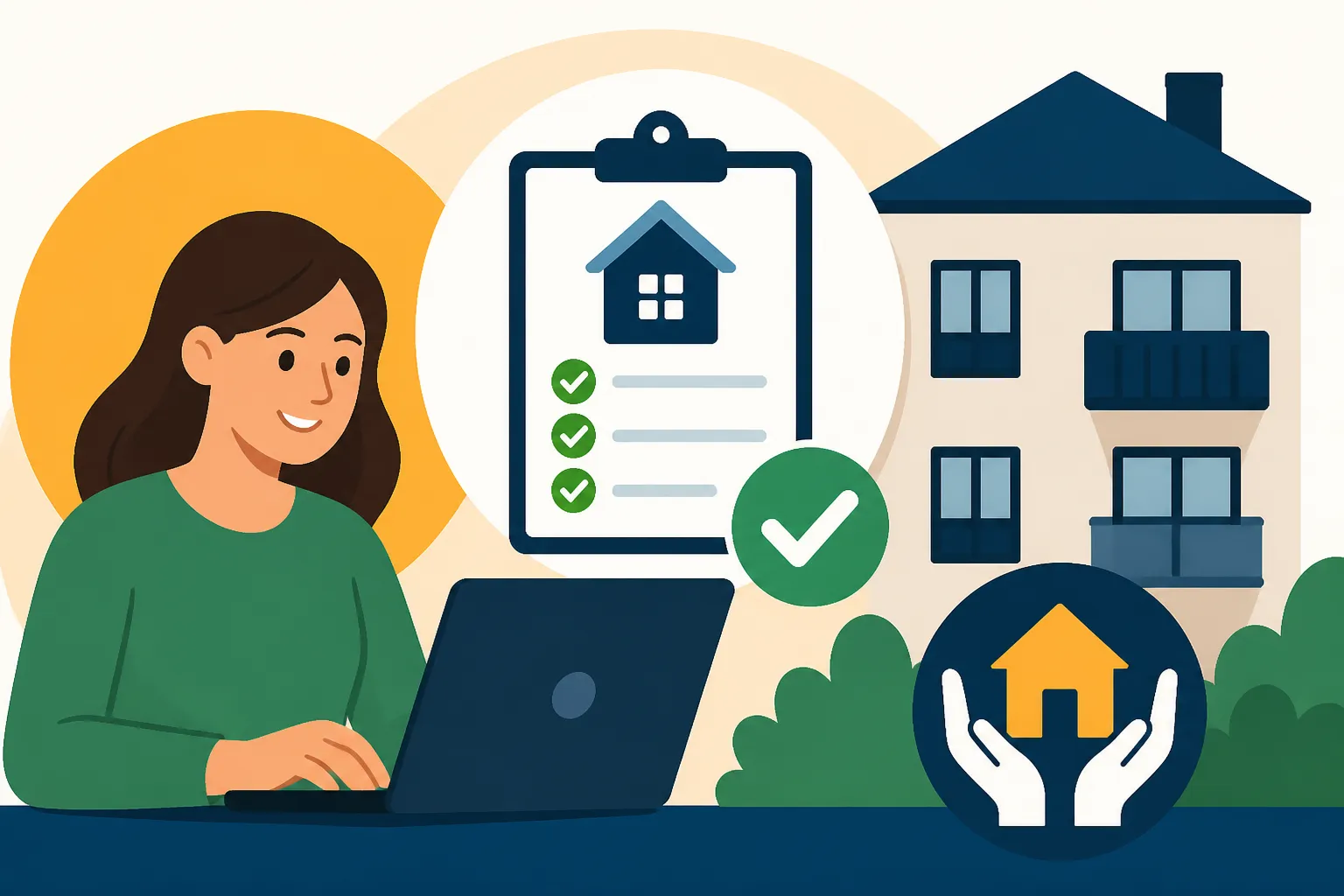
To make things easier, follow this quick checklist before you sit down at your computer:
- Ensure your CPR is registered at the correct address.
- Have your digital rental contract (signed by both parties) ready.
- Know the exact square footage of the living area (check your contract).
- Have the CPR numbers and income details for every adult living in the home.
- Ensure your MitID is active and you can log in to Borger.dk.
- Check that your NemKonto is correctly set up with your bank.
Living in Denmark is an incredible experience, but the high costs can be a burden. Boligstøtte is one of the best tools available to help you settle in without constant financial stress. While the paperwork might feel overwhelming at first, once it's set up, the system runs relatively smoothly in the background, giving you more time to enjoy your new life in the Nordics. For more tips on navigating the Danish rental market, don't miss our Renting in Denmark: Complete Guide for Expats (2027).
Disclaimer
This guide is for informational purposes only and does not constitute legal or financial advice. The rules for Boligstøtte are subject to change by the Danish government, and individual eligibility is determined solely by Udbetaling Danmark. Always consult the official Borger.dk website or contact Udbetaling Danmark directly for the most current regulations and personal guidance.