Opening a Joint Bank Account (Fælleskonto) with Your Partner
Managing shared finances in Denmark can feel like a full-time administrative job when you are trying to split every Netto receipt or electricity bill manually. This guide simplifies the process of opening a joint bank account, known as a Fælleskonto, helping couples navigate the strict Danish banking regulations, MitID requirements, and documentation hurdles to achieve seamless household financial management.
Why a Fælleskonto is Essential for Life in Denmark
If you have recently moved into an apartment in a neighborhood like Vesterbro or Aarhus C, you have likely already encountered the logistical headache of Danish utilities. Unlike some countries where one person pays and the other transfers money, the Danish system is heavily built around automation and shared responsibility. A Fælleskonto is not just a romantic gesture of shared life; it is a practical tool for surviving the high cost of living and the complex billing cycles of Danish service providers.
Most Danish households use a joint account specifically for "fixed expenses" (faste udgifter). This includes rent, water, heating (often paid as "aconto" or estimated payments), and insurance. By having a dedicated account where both partners contribute a set amount each month via a standing order, you avoid the awkwardness of "who owes whom" at the end of the month. Moreover, many landlords and utility companies prefer or even require payments through Betalingsservice: Automating Your Rent and Utility Bill Payments, which is much easier to manage from a single shared bucket.
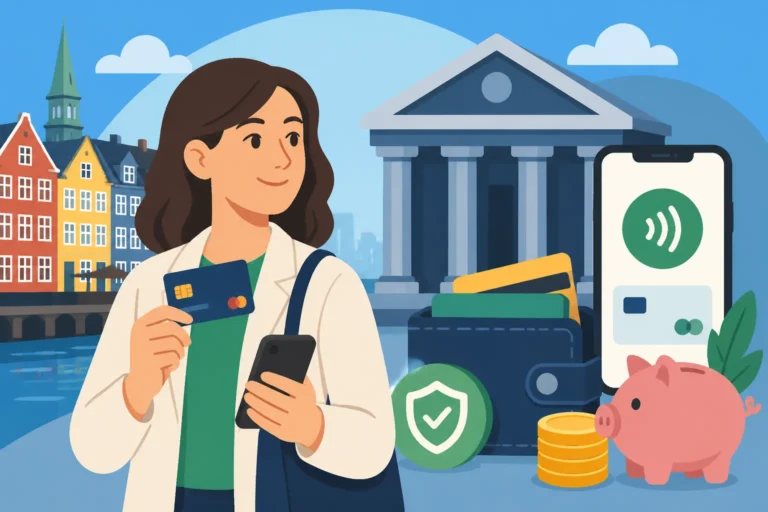
Beyond the bills, a joint account is the gateway to shared grocery shopping. Denmark is a largely cashless society, and while MobilePay is king, having a shared debit card (Dankort or Visa/Mastercard) linked to a joint account allows both partners to shop for the household without tracking every single liter of milk. It provides a level of transparency that is highly valued in Danish culture, where equality in domestic life is a standard expectation.
The Administrative Prerequisites for Joint Banking
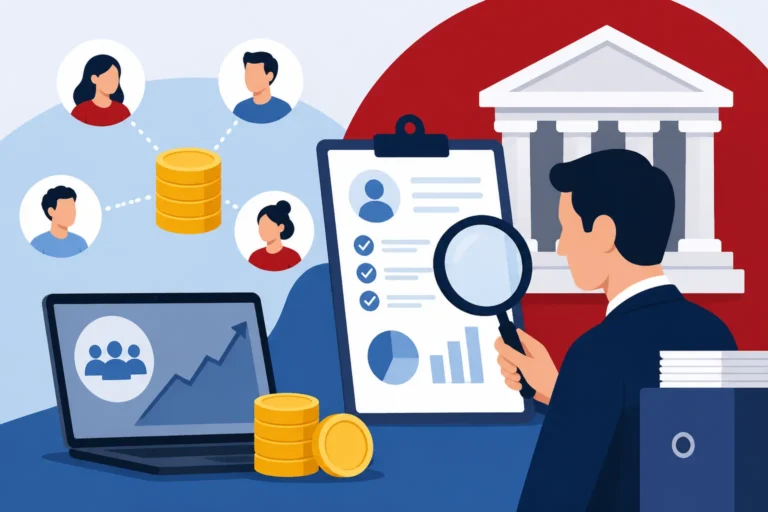
Opening any account in Denmark, let alone a joint one, requires you to have your "ducks in a row" regarding your legal status. You cannot simply walk into a branch of Danske Bank or Nordea with just a passport and expect to walk out with a shared account. The Danish "Know Your Customer" (KYC) rules are some of the strictest in the world to prevent money laundering, which often leads to the frustrations we expats know all too well.
First and foremost, both you and your partner must have a CPR number. If one of you is still waiting for residency paperwork to clear, you will likely find the door to traditional banking closed. During this waiting period, many expats find that using a service like Wise is an excellent stopgap for managing shared funds in DKK before the official Danish system opens up to them. However, for a true Fælleskonto with Danish features like Betalingsservice integration, the CPR is non-negotiable.
Secondly, both of you must have an active MitID. Gone are the days of paper signatures; every step of the joint account application will happen digitally. You will both need to log in to your respective online banking portals to "sign" the agreement. If you are still navigating the initial setup of your digital identity, you might find our guide on Sundhed.dk and MitID: Navigating Denmark’s Digital Health Portals helpful for understanding the broader digital ecosystem you are entering.
| Requirement | Description |
|---|---|
| CPR Number | Essential for both partners to be registered in the Danish Civil Registration System. |
| MitID | The digital signature required to authorize the creation of the shared account. |
| Proof of Address | A copy of your rental contract or a recent utility bill in Denmark. |
| Employment Contract | Banks often ask for your latest three payslips to assess your "customer profile." |
| Identity Documents | Valid passports or national ID cards (for EU citizens). |
Choosing the Right Bank for Your Fælleskonto
When it comes to picking a provider, you generally have two paths: the traditional "Big Four" (Danske Bank, Nordea, Jyske Bank, and Sydbank) or the newer digital-first challengers like Lunar. Each has its pros and cons, especially for international couples who might still be Opening a Bank Account in Denmark: Document Checklist and Delays.
Traditional banks offer a sense of security and a full suite of products, which is particularly beneficial if you are planning to stay in Denmark long-term and eventually want to look into Buying Property in Denmark: Mortgage Options and 20% Down Payments. They usually allow you to create multiple sub-accounts—one for groceries, one for travel, and one for the mortgage. However, these banks are notorious for their high annual fees for "basic" packages and can be slower to process applications from non-Danish citizens.
Digital banks like Lunar have become incredibly popular among the expat community because their interface is entirely in English and the signup process is often faster. Lunar allows for "Shared Accounts" in their premium tiers, making it easy to invite your partner to a folder where you can both see transactions in real-time. For more on this, check out our comparison of Traditional Banks vs. Digital Banks (Lunar): Which is Best for Expats?. While digital banks are great for daily spending, ensure they support the specific Danish features you need, such as the ability to link a shared card to a NemKonto and MitID: The Core of Danish Digital Finance (2027) if you ever need to receive government subsidies into that account.
The Step-by-Step Application Process
Once you have chosen your bank, the actual process of opening the Fælleskonto usually starts with one partner. In most Danish banking apps, there is a "Create New Account" button. You will select "Joint Account" (Fælleskonto) and then be asked to input the CPR number of your partner.
At this point, the bank will send a digital request to your partner. They will then need to log into their own banking portal or app—usually using MitID—to accept the invitation. This is a critical security step; the bank must ensure that both parties are fully aware of their shared legal responsibility for the account. If you are with different banks, this can be significantly more complicated, and it is usually highly recommended that both partners have their primary accounts in the same bank before trying to open a joint one.
After both have signed, the bank will perform a background check. They might ask why you need the account (e.g., "shared household expenses") and where the money coming into the account is originating from. This is standard procedure. Once approved, you can order two separate debit cards linked to this account. We recommend reading up on The Dankort: Denmark’s National Debit Card and Why You Want One to see if that specific card is the best option for your shared shopping.
Managing Taxes and Legal Responsibilities
This is the part where many expats get caught off guard. In Denmark, a joint account means joint responsibility. If the account goes into overdraft, the bank can legally pursue either partner for the full amount, regardless of who spent the money. This is why a Fælleskonto should only be opened with a partner you fully trust.
From a tax perspective, the Danish tax authority (SKAT) generally views the money in a joint account as belonging 50/50 to each partner unless specified otherwise. This is important for interest income or if you are using the account for investments. If you are a US citizen or have tax obligations in another country, you must be particularly careful. Many foreign governments require you to report any foreign bank account where you have "signatory authority," which includes joint accounts. Organizations like Taxes for Expats are specifically geared toward helping Americans in Denmark navigate these complex reporting requirements like FBAR and FATCA.
Furthermore, if one partner contributes significantly more to the account than the other, and that money is used to pay off a private debt or purchase an asset in only one person's name, it could technically be viewed as a "gift." While spouses can gift money freely, cohabiting partners who are not married may be subject to gift taxes if the amount exceeds a certain annual threshold. Understanding how these financial movements appear on your Preliminary Tax Assessment (Forskudsopgørelse): Avoiding Tax Debt is vital for staying on the right side of the law.
Maximizing the Efficiency of Your Shared Budget
Once the account is up and running, the real magic happens when you automate your life. The first thing you should do is set up a recurring transfer from your individual "salary" accounts into the Fælleskonto on the day you get paid. This ensures the "rent money" is tucked away before you have a chance to spend it on expensive lattes in Nyhavn.
You should also leverage the power of MobilePay. While you have physical cards for the joint account, you can also create a "Shared Box" in the MobilePay app. This is great for smaller, ad-hoc shared expenses like a quick trip to the pharmacy. However, for larger, recurring items, nothing beats a properly configured joint account linked to Betalingsservice. This system automatically pays your bills and provides a clear overview of upcoming expenses, which is a lifesaver for avoiding the dreaded "Late Payment Fee" (Rykkergebyr) that Danish companies love to issue.
If you are also navigating the complexities of your income, make sure you understand the deductions available to you. For instance, if you and your partner are both working, you might be able to optimize your shared finances by Deducting Trade Union and A-Kasse Fees on Your Tax Return. Keeping your Money in Denmark: Banking, Payments, and Financial Setup for Expats organized through a joint account makes it much easier to see these figures clearly when the annual tax season rolls around in March.
Transitioning and Troubleshooting
What happens if things go wrong? If you lose your phone and lose access to your MitID, your partner will still have access to the joint account, but you will be locked out of the digital management side. It is always a good idea to have a backup way to verify your identity. If you ever find yourself in this situation, our guide on What to Do If You Lose Your MitID Access and Are Locked Out is a must-read.
If you are moving to a new apartment, remember that you must update your address with the bank, but this usually happens automatically once you change your address on the CPR Registration Rule: Why Your Address Matters. However, your joint account's "Aconto" payments for heating and water will likely need to be re-evaluated based on the size of your new home.
Finally, for those who are still in the early stages of their move and haven't quite established their Danish banking history, don't forget that international tools like Wise can still play a role in your shared financial life, especially for paying for things back in your home country or receiving transfers from family abroad without the heavy fees traditional Danish banks might charge for international transactions. Balancing a local Danish Fælleskonto with a global-minded tool is often the "goldilocks zone" for the modern expat couple.
Disclaimer
The information provided in this guide is for informational purposes only and does not constitute professional financial, legal, or tax advice. Banking regulations and tax laws in Denmark are subject to change. We strongly recommend consulting with a qualified financial advisor or a tax professional, such as those at Taxes for Expats, to discuss your specific situation, especially if you have complex international tax obligations. Always verify current terms and conditions with your chosen banking institution before opening an account.