Common Financial Scams Targeting New Expats in Denmark
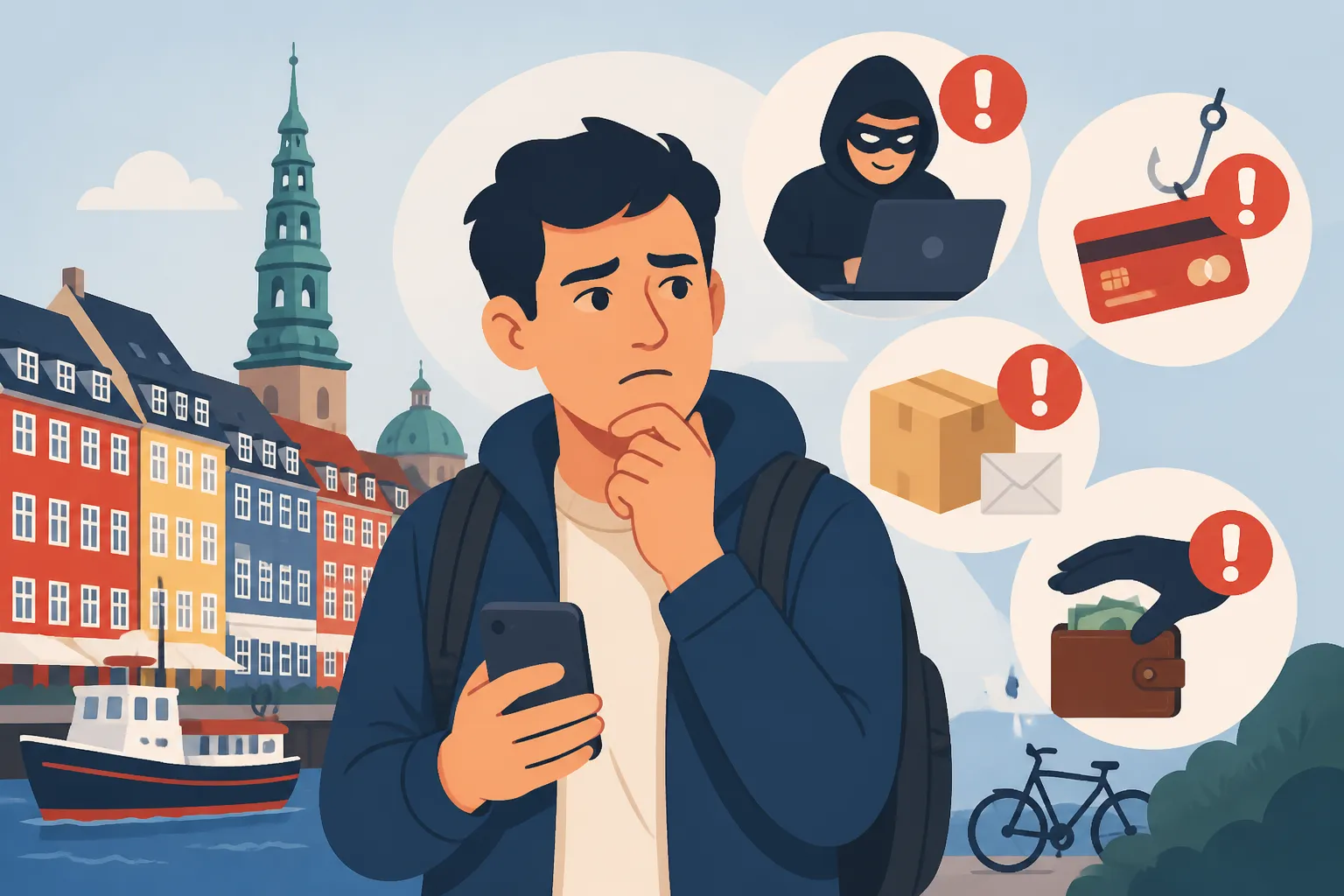
Arriving in Denmark feels like stepping into a high-trust utopia where people leave their bicycles unlocked and their babies sleeping in strollers outside cafes. However, that very culture of trust is exactly what predatory scammers exploit when they target newly arrived expats who are unfamiliar with local systems. This guide breaks down the most sophisticated financial traps currently circulating, ensuring your hard-earned Danish Krone stays safe.
The Rental Market Trap: Deposit Scams and Ghost Listings
Finding a place to live is the most stressful part of moving to Denmark, and scammers know you are desperate. I remember my first month in Copenhagen, refreshing rental pages every ten minutes. The pressure to sign quickly is immense, but that is exactly when you are most vulnerable. The most common scam involves a beautiful, centrally located apartment offered at a price that seems just a little too good to be true. Usually, the "landlord" claims to be living abroad and offers to send the keys via a courier once you have transferred the deposit.
The Too-Good-To-Be-True Listing
In this scenario, the scammer scrapes photos from legitimate real estate sites or Airbnb. They list a penthouse in Vesterbro or a cozy flat in Aarhus C for 7,000 DKK, well below the market rate. They often use high-pressure tactics, telling you that ten other people are ready to pay right now. You might be tempted to use a service like Wise to send the money quickly to secure the spot, but once the transfer is gone, the "landlord" disappears. Legitimate landlords will always allow a viewing, or at the very least, have a verifiable Danish presence. Before you part with any money, make sure you understand the Initial Rental Costs: Navigating Deposits and Prepaid Rent Laws to avoid overpaying or falling for illegal demands.
Subletting and the Keys Trick
Another variation involves a scammer who has actually rented an Airbnb for a few days. They show you the apartment in person, making them seem completely legitimate. They might even give you a fake contract to sign. They ask for the deposit and first month's rent in cash or via immediate bank transfer. You get a set of keys, but when you show up on move-in day, the keys don't work, and the real owner is baffled. This is why you must check BoligPortal vs. Facebook: How to Spot Rental Scams in Denmark to understand which platforms offer at least some level of verification and which are the Wild West of the housing market.
Digital Identity Theft: The MitID and Phishing Epidemic
Denmark is one of the most digitized societies on earth. Everything from your doctor’s appointments to your tax returns is handled through a central digital ID. While this makes life convenient, it creates a single point of failure that scammers love to target. If a scammer gets access to your MitID, they essentially own your financial life in Denmark.
Fake SMS from SKAT or PostNord
You will almost certainly receive an SMS at some point claiming to be from SKAT (the tax authority) or PostNord (the postal service). The message usually says you have a tax refund waiting or a package with an unpaid customs fee. It includes a link that looks official but leads to a cloned site designed to steal your login credentials. Expats can lose thousands because they thought they were simply paying a 20 DKK delivery fee. The golden rule in Denmark is that the government will never send you a link via SMS. Official communication always goes to your secure digital mailbox. Understanding how NemKonto and MitID: The Core of Danish Digital Finance (2027) works is your best defense against these digital predators.
Social Engineering and Phone Scams
Scammers have become increasingly bold, sometimes calling expats while pretending to be from their bank’s security department. They might say there has been "suspicious activity" on your account and ask you to use your MitID app to "verify" your identity or "cancel" a transaction. In reality, you are authorizing a transaction they have initiated. No Danish bank will ever ask you for your MitID codes or ask you to swipe the app over the phone. If you ever feel pressured, hang up and call your bank back using the official number on their website. If you are still setting up your accounts, be sure to review the process for Opening a Bank Account in Denmark: Document Checklist and Delays so you know what the legitimate process actually looks like.
Tax Refund and Professional Service Frauds
Tax season in Denmark, which usually kicks off in March, is a prime time for financial fraud. The Danish tax system is notoriously complex for newcomers, with various deductions and brackets that can make your head spin. Scammers take advantage of this confusion by offering "guaranteed" refunds or "official" tax preparation services that are nothing more than data-harvesting schemes.
The "Skattefar" Impersonation
The most common tax scam involves an email or text stating that your Preliminary Tax Assessment (Forskudsopgørelse): Avoiding Tax Debt has been calculated and you are owed a significant sum. They ask you to click a link and enter your credit card details so they can "deposit" the refund. In reality, the Danish government already has your bank details linked to your CPR number through your NemKonto. They will never ask for your card number to give you money back; it happens automatically. If you are worried about your filings, it is much safer to use a reputable international firm like Taxes for Expats rather than clicking on unsolicited links.
Unofficial "Expat Assistance" Agencies
Be wary of companies that claim to be "official partners" of the Danish government and offer to speed up your CPR registration or tax ID for a high fee. While there are legitimate relocation consultants, many of these "agencies" are simply charging you 5,000 DKK to fill out a free form on Borger.dk. They may also ask for sensitive documents like your passport or employment contract, which can be used for identity theft later. Always double-check if you can do the task yourself by reading Taxes in Denmark Explained: A-Skat, AM-bidrag, and Marginal Rates before paying a third party.
Employment and Recruitment Scams
The Danish job market is competitive, and for many expats, finding that first "relevant" job is a marathon. Scammers prey on this by posting fake job listings on LinkedIn or specialized expat groups. These listings often look professional and use the names of well-known Danish companies like Novo Nordisk or Maersk.
The Advanced Fee Recruitment Scam
After a "successful" (and suspiciously easy) online interview, you are offered the job. However, there is a catch: you need to pay for a "mandatory" background check, visa processing, or specialized software. They might even send you a fake check to buy equipment, asking you to wire back the "surplus" via Wise. The check eventually bounces, and you are left out of pocket. In Denmark, legitimate employers almost never ask a candidate to pay for recruitment costs or equipment upfront. If a job offer feels too easy, it’s worth investigating the English-Speaking Jobs in Denmark: Industries That Hire Without Danish to see what a realistic hiring process looks like in your industry.
The "Training Bond" Trap
Some less-than-reputable companies might offer you a position but insist that you sign a contract with a "training bond." This means if you leave the company within a certain period, you owe them tens of thousands of Krone for the "onboarding" they provided. While some training bonds are legal, many are used to exploit foreign workers who don't know their rights. Before signing any contract that involves financial penalties, make sure you understand the Understanding SKAT: Forskudsopgørelse vs. Årsopgørelse Explained cycle and your general rights as a worker to ensure you aren't being lured into a predatory debt trap.
Comparison: Legitimate vs. Fraudulent Communication
| Feature | Legitimate Danish Authorities | Common Scammer Tactics |
|---|---|---|
| Primary Channel | Digital Post (e-Boks / Mit.dk) | SMS, WhatsApp, or Personal Email |
| Payment Requests | Invoices via Betalingsservice or Netbank | Wire transfers, Crypto, or Gift cards |
| Link Usage | Never in SMS; usually "Go to Borger.dk" | Direct links like "bit.ly/skat-refund" |
| Information Asked | Verified via MitID login on official site | Asks for MitID codes or credit card over phone |
| Urgency | Official deadlines (usually weeks/months) | "Act within 2 hours or your account is closed" |
Financial "Help" and Currency Exchange Scams
When you first arrive, you might be looking for ways to move money from your home country to Denmark without losing a fortune in bank fees. While services like Wise are legitimate and highly recommended for their transparency, there are many "middleman" scams operating in Facebook groups.
Peer-to-Peer Exchange Fraud
You will often see posts in expat groups saying, "I have 20,000 DKK and I need USD. I'll give you a better rate than the bank." This is a classic setup. You send them the USD via a non-reversible method, and they either block you immediately or send you a "confirmation" of a DKK transfer that never actually arrives. These scammers often use compromised accounts of real people to look trustworthy. It is never worth the risk to save 1% on an exchange rate. Stick to regulated platforms or your local bank, even if it feels slightly more expensive initially. If you are struggling with the setup, check out the guide on Traditional Banks vs. Digital Banks (Lunar): Which is Best for Expats? for safer alternatives.
The "Locked Account" Support Scam
If you post in a public forum complaining about a problem with your bank or a fintech app, "support agents" might message you privately. They will offer to help you unlock your account if you provide your login details or "test" the account by sending a small amount of money to a "secure" address. No legitimate financial institution, including Wise or any Danish bank, will ever reach out to you via a private message on social media to handle a security issue. If you are genuinely locked out, you should only ever use the official help channels or learn What to Do If You Lose Your MitID Access and Are Locked Out through verified government guides.
Final Checklist for Financial Safety in Denmark
Living in Denmark is a wonderful experience, but being an expat makes you a visible target for those who want to exploit your lack of local knowledge. To keep your finances secure, follow this checklist every time you are asked for money or information:
- Check the sender: If it's an SMS or a Gmail/Hotmail address claiming to be the government, delete it.
- Verify the platform: Are you being asked to pay for an apartment on a site that doesn't verify users?
- No codes over the phone: Never, under any circumstances, give your MitID codes or swipe your app because someone called you.
- Research the market: Use resources like Taxes for Expats for tax help rather than clicking on "free refund" links.
- Use secure transfers: Stick to reputable services like Wise for international moves and avoid "favorable" rates from strangers on social media.
- Trust your gut: If a situation feels urgent, high-pressure, or too good to be true, it almost certainly is a scam.
By staying vigilant and using official channels for all your financial needs, you can enjoy the peace of mind that Denmark is famous for without becoming another statistic in a scammer's ledger.
Disclaimer
The information provided in this guide is for informational purposes only and does not constitute legal or financial advice. While we strive to keep the details up to date, scam tactics evolve rapidly. Always consult official Danish government websites (such as Borger.dk or Skat.dk) or a certified legal professional before making significant financial decisions or sharing sensitive personal data. Your financial safety is your responsibility.