Are Personal Loans for Expats Approved Without a Long Credit History?
Arriving in Denmark and realizing your apartment is an empty shell—missing even the light fixtures—can be a massive financial shock. You might have had a perfect credit score back home, but here, you are essentially a ghost in the financial system. This guide solves the mystery of how to secure personal loans when you have zero Danish credit history.
The Myth of the Global Credit Score in Denmark
One of the first things I learned the hard way after moving to Copenhagen was that my meticulously maintained credit history from my home country meant absolutely nothing to a Danish bank. You could have been a millionaire with a platinum rating elsewhere, but the moment you step into a Danish branch, the advisor sees a blank slate. This is incredibly frustrating, especially when you need a car to reach a job in the suburbs or you are facing a massive deposit for a rental.
In Denmark, credit isn't governed by a centralized "score" like the FICO system in the United States or the credit tiers in the UK. Instead, the Danish system is primarily focused on your CPR number and whether or not you are registered in the RKI (Ribers Kredit Information). The RKI is a "black list" of bad payers. If you aren't in it, you are technically "green." However, being green doesn't automatically mean you get a loan; it just means you haven't failed to pay a debt in Denmark yet. For a veteran expat, Building Credit in Denmark: RKI Registry and Debt Defaulters is the first concept to master, as avoiding this list is more important than "building points" in the traditional sense.
The struggle for newcomers is that banks have no data to predict your behavior. They don't know if you will stay in Denmark for ten years or leave next month. This "flight risk" is the primary reason personal loans are often denied to those who have been in the country for less than six to twelve months. To bridge this gap, some expats use services like Wise to show they have liquid assets in other currencies, proving they aren't starting from zero, even if their Danish account is fresh.
The Magic Number: Understanding the Rådighedsbeløb
If you want a personal loan in Denmark, you have to stop thinking about your "score" and start thinking about your "rådighedsbeløb"—your monthly disposable income after all fixed expenses are paid. Danish banks are legally obligated to ensure that you can actually afford to live after paying back a loan. They use a very specific, and often conservative, calculation to determine this.
When you apply, the bank will ask for access to your Skat (tax) data and your bank statements. They will look at your rent, utilities, insurance, and even your grocery habits. If you are a high-earner under The Pay Limit Scheme: Meeting the 2026 Salary Requirements, you might think approval is a given. However, if your rent in a trendy Vesterbro apartment is eating up 50% of your take-home pay, the bank will likely reject your loan application because your "disposable income" falls below their internal threshold for a single person or family.
Understanding how to read your own finances through a Danish lens is vital. It is wise for expats spend a few months tracking their spending before applying. You should meticulously review Understanding Your Danish Payslip (Lønseddel): Deductions Decoded to ensure you know exactly how much "A-Skat" and "AM-bidrag" are leaving your check, as the bank will only care about the net amount that hits your NemKonto.
| Expense Category | Typical Bank Estimate (Monthly) | Expat Reality Check |
|---|---|---|
| Single Person Food/Misc | 5,000 – 6,500 DKK | Higher if you eat out in Copenhagen |
| Couple Food/Misc | 8,500 – 10,000 DKK | Can be lower if shopping at Rema 1000 |
| Children (Per Child) | 2,500 – 3,500 DKK | Does not include institution fees |
| Housing | Actual Rent + Utilities | Often the biggest hurdle for newcomers |
Why Your Job Contract Is Your Best Asset
Since you don't have a long credit history, your employment contract is the single most important document you possess. In the eyes of a Danish lender, a "Fastansat" (permanent) contract is worth its weight in gold. If you are on a temporary contract or a probationary period (typically the first three months), most traditional banks will not even look at your loan application. They want to see that your income is guaranteed for the duration of the loan term.
When I first arrived, I was surprised to find that banks were more interested in the "notice period" in my contract than the actual salary amount. This is why Danish Work Contracts: Permanent vs. Fixed-Term and Essential Clauses is a crucial read for anyone planning their financial future here. If your contract says you can be fired with only one month's notice, the bank sees a high risk. Conversely, if you have a high-level position with a three or six-month notice period, you are viewed as a much safer bet.
Furthermore, being a member of an A-kasse (unemployment insurance) can sometimes help your case, although indirectly. It shows the bank that even if you lose your job, you have a safety net to continue making payments for a period of time. It demonstrates that you have integrated into the Danish "flexicurity" model and are planning for contingencies.
Traditional Banks vs. Digital Lenders
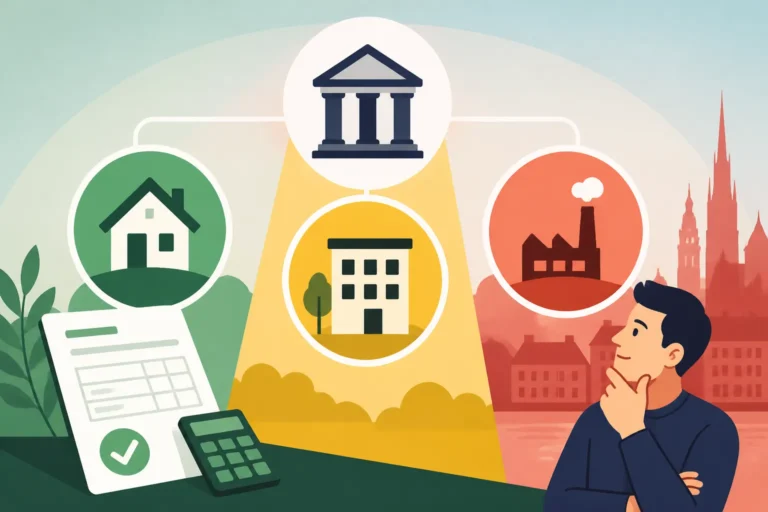
As an expat, you have two main paths: the traditional "Big Four" banks (Danske Bank, Nordea, Jyske Bank, and Sydbank) or the newer digital-first challengers. Traditional banks are often more conservative. They prefer to have you as a full customer—meaning you move your salary account, your insurances, and your savings to them—before they offer a personal loan. This "whole customer" approach can take months of relationship building.
On the other hand, digital platforms and fintech companies are often more willing to work with expats, provided you have a MitID and a steady income. For instance, Lunar Bank Review: Free Accounts for Expats and Students shows how these newer players are disrupting the market. They use algorithms that can process your data instantly via Using MitID for Banking: Security, Device Registration, and App Setup, giving you an answer in minutes rather than weeks. However, be warned: the interest rates at these digital lenders are almost always higher than at a traditional bank where you have a personal advisor.
If you are dealing with complex international income or you are still paying taxes in your home country, you might want to consult with Taxes for Expats. Managing your global tax liability correctly is essential because Danish banks will check your "Årsopgørelse" (annual tax statement). If it looks messy or shows unpaid tax debt, your loan application will be dead on arrival.
Improving Your Approval Odds: Practical Steps
If you need a loan and have only been in Denmark for a few months, don't just "spray and pray" applications. Every time a lender performs a hard credit check on you, it can be recorded. Instead, follow a strategic path to prove your reliability.
First, ensure your Money in Denmark: Banking, Payments, and Financial Setup for Expats is perfectly organized. Use your Danish account for everything. Pay your rent on time through Betalingsservice. Avoid "overdrafting" your account, even by a few kroner. Banks look for a "clean" history of managing your daily finances. If they see five different subscriptions to streaming services and daily trips to expensive coffee shops, they might decide you lack the financial discipline for a loan.
Second, consider the "down payment" strategy. If you are looking for a loan for a car or expensive furniture, try to put down 20-30% of the cost yourself. This reduces the bank's "Loan to Value" risk. You can use Wise to transfer your savings from abroad into your Danish account to show you have skin in the game. Seeing a large lump sum of savings sitting in your account is often the only way to convince a Danish advisor to override the "lack of history" red flag.
The Residency Factor: Visa Duration vs. Loan Term
This is the "hidden" reason many expats get rejected. A Danish bank will almost never grant a loan that extends beyond the expiration date of your current residence permit. If you are on a two-year work visa and you apply for a five-year personal loan, you will be rejected. The bank's logic is simple: if your visa isn't renewed, you have to leave the country, and they have no easy way to collect the debt once you are outside the EU.
This becomes a major hurdle for those working toward Permanent Residency (Permanent Opholdstilladelse) in Denmark. Once you have permanent residency, your "risk profile" drops significantly. Until then, you must be realistic about the length of the loan you are requesting. If you only have 18 months left on your visa, keep your loan term to 12 or 14 months. It will make your monthly payments higher, but it significantly increases the likelihood of getting a "Yes" from the credit department.
Additionally, don't forget that certain expenses can be offset by tax benefits. For example, if you are taking a loan to buy a car for a long commute, make sure you are claiming Tax Deductions in Denmark: Commuting (Kørselsfradrag) and A-Kasse. This extra cash flow in your monthly budget can be shown to the bank as part of your repayment plan.
Alternatives to Traditional Personal Loans
If the banks are saying no, don't despair. There are other ways to finance your life in Denmark that don't require a traditional personal loan. Many large retailers, such as Elgiganten or IKEA, offer "consumer credit." These are often easier to get because they are tied to a specific purchase. While the interest rates can be high, they sometimes offer 0% interest periods for 12 months. Just ensure you read the fine print; if you miss one payment, the interest can jump to 20% or more retroactively.
Another alternative is to look into your "Feriepenge" (holiday pay) or any potential tax refunds. Sometimes, simply waiting until April when the tax office pays out refunds can provide the cash you need. If you are struggling with the overall Cost of Living in Denmark 2026: Budgets for Singles and Families, it might be better to buy second-hand furniture on DBA or Facebook Marketplace rather than taking on high-interest debt during your first year.
Lastly, if you are a homeowner or planning to be, the Danish mortgage system is unique and often much cheaper than personal loans. However, getting a mortgage as an expat is an entirely different mountain to climb, usually requiring a 5-20% down payment and a very stable history in the country. For immediate, smaller needs, focusing on your internal Danish "behavioral" credit is your best bet.
Disclaimer
This guide is for informational purposes only and does not constitute professional financial or legal advice. Lending criteria in Denmark are subject to change based on individual bank policies and national legislation. Always read the terms and conditions of any financial product before signing, and consult with a certified financial advisor or tax professional regarding your specific situation.