The Dankort: Denmark’s National Debit Card and Why You Want One
Moving to Denmark, you quickly learn that while your international credit or debit card might get you by in many places, there's often a lingering feeling that you're just not quite Danish enough in your transactions. This guide is here to unravel the mystery of the Dankort, Denmark's ubiquitous national debit card, explaining why it’s not just a payment method, but a gateway to a truly seamless Danish life, and how you, as an expat, can get one.
What Exactly is a Dankort and Why is it So Danish?
For many newcomers, the Dankort seems like just another debit card, but in Denmark, it holds a special, almost cultural, significance. It’s been the cornerstone of Danish retail for decades, a symbol of the country's early adoption of cashless payments long before it was fashionable. It’s ingrained in the fabric of daily life here, from the smallest kiosk to the largest supermarket.
The Dankort's Unique Position in Danish Society
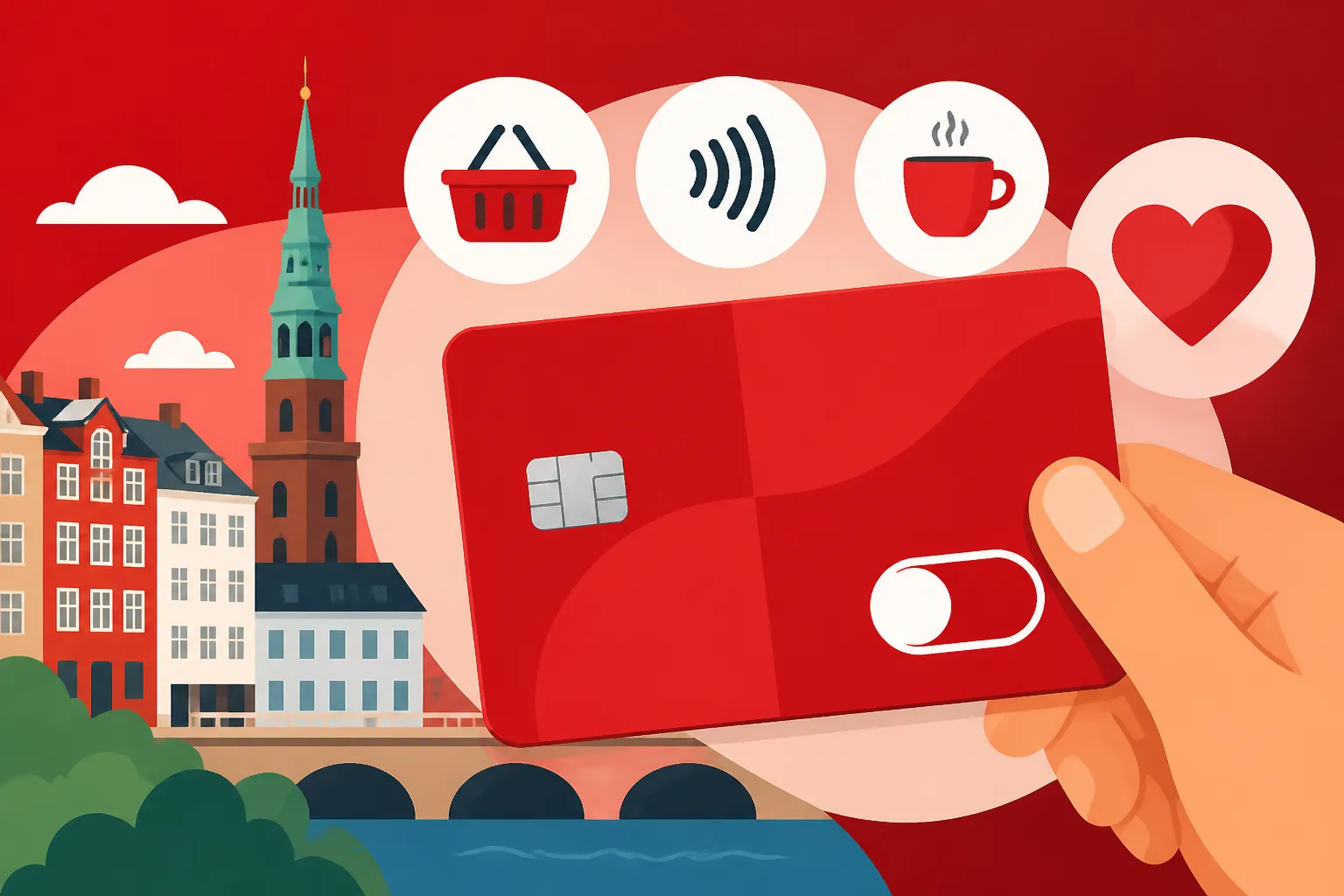
The Dankort isn't just a card; it's practically a national institution. Introduced way back in 1983, it quickly became the preferred payment method, and for good reason. It offered a straightforward, low-cost way to pay, bypassing the need for cash and making transactions incredibly efficient. This early adoption meant that businesses, large and small, invested heavily in Dankort terminals, making it universally accepted across the country. Walk into any shop, café, or even a local market stall, and you’ll see the familiar red and white Dankort logo proudly displayed.
What makes it truly unique compared to cards from other countries is its dual functionality. Many Dankort cards are co-badged with Visa or Mastercard, meaning they function as a Dankort domestically (often with lower transaction fees for merchants) and as an international Visa or Mastercard when you're abroad or shopping online with international merchants. This clever hybrid system means you only need one card for most of your financial needs, both at home and when you venture out of Denmark. It’s a testament to Danish practicality, ensuring broad usability while maintaining a national payment infrastructure. This widespread acceptance and low cost for merchants also means that sometimes, international-only cards might incur a small surcharge or simply not be accepted at smaller, older establishments, which can be a real headache when you're just trying to buy your morning rundstykker.
Dankort vs. International Debit/Credit Cards
When you first arrive, you'll likely rely on your home country's debit or credit cards. And yes, Visa, Mastercard, and sometimes American Express are accepted in many places, especially in larger cities and tourist areas. However, you'll quickly discover their limitations. Many smaller shops, local cafes, or even certain online services (especially those run by municipalities or smaller Danish businesses) might either not accept international cards at all or prefer Dankort due to the lower transaction fees they incur. This isn't out of malice, but pure economics for them.
International cards often come with interchange fees that are higher than the domestic Dankort fees, which impacts the merchant’s bottom line. For you, the expat, this can mean anything from minor inconvenience to outright frustration. Imagine trying to pay for something at a local bakery and being met with a polite but firm "kun Dankort" (Dankort only). It happens more often than you might think, especially outside the bustling tourist zones of Copenhagen. Having a Dankort essentially removes this layer of friction, making your daily life smoother and less prone to payment-related embarrassments.
Furthermore, the Dankort is deeply integrated into Denmark's digital payment ecosystem. It's the backbone of services like MobilePay, which we’ll delve into shortly. Without a Dankort, your access to certain digital conveniences can be limited. While you can certainly live in Denmark without one, you'll consistently feel like you're navigating around a core part of the financial system, rather than being fully integrated into it. It’s a bit like trying to drive on the left side of the road in a right-hand drive country – you can do it, but it’s not always comfortable or efficient.
Here's a quick comparison to highlight the differences:
| Feature | Dankort (often co-badged) | International Debit/Credit Card (e.g., Visa, Mastercard) |
|---|---|---|
| Acceptance in Denmark | Almost universal, preferred by merchants | Widespread in cities, less so in smaller shops/online |
| Transaction Fees | Generally lower for merchants domestically | Higher for merchants, sometimes passed to consumer |
| Online Payments | Seamless with Danish sites, integrated with 3D Secure | Accepted widely, but some Danish sites prefer Dankort |
| MobilePay Integration | Essential for full functionality | Limited to some extent, often requires Dankort as backend |
| International Use | Functions as Visa/Mastercard abroad | Full international functionality |
| ATM Withdrawals | Typically free from own bank's ATMs | May incur fees depending on bank/network |
| Fraud Protection | Strong, often with fraud monitoring and liability limits | Strong, comparable to international standards |
Getting Your Hands on a Dankort: The Process for Expats
So, you're convinced. You want this magical piece of plastic that promises to smooth over your daily transactions. But how do you, as a newly arrived expat, actually get one? It's a journey that starts with laying some essential groundwork in the Danish administrative system.
Prerequisites: CPR, NemKonto, and Bank Account
Before you can even dream of flashing your new Dankort, you need to establish your basic financial identity in Denmark. This means ticking off a few crucial boxes.
First and foremost, you need a CPR number. This eleven-digit personal identification number is your key to almost everything official in Denmark, including opening a bank account. Without it, you’re essentially a ghost in the system, and no Danish bank will touch your application for a Dankort. Getting your CPR number involves registering your address with the municipality, a process that can sometimes feel like a bureaucratic dance. Once you have it, it will eventually lead to you receiving The Yellow Health Card (Sundhedskort): Your Key to Danish Healthcare, which, while not directly related to your Dankort, is another fundamental identifier.
Next up is your NemKonto. Translating to "Easy Account," this is a specially designated bank account that all public authorities in Denmark use to disburse payments to you, whether it's your salary, tax refunds, student grants (if you qualify for SU for EU/EEA Citizens: Proving "Worker Status" to Get the Grant), or social benefits. Your bank will help you link one of your Danish accounts to the NemKonto system once it's open. It’s non-negotiable for receiving money from the state, and your Dankort will naturally be linked to this primary account. You can learn more about Setting Up Your NemKonto: How to Link It to Receive Salary and SU.
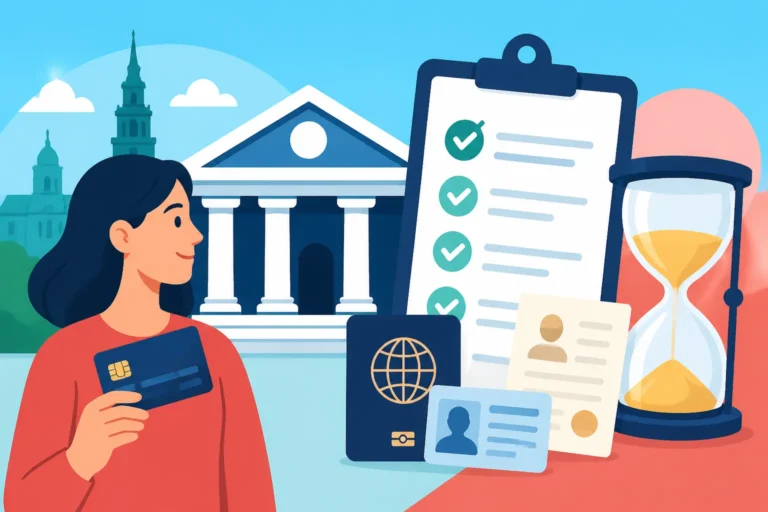
Finally, you need to open a traditional Danish bank account. This might sound obvious, but for expats, it's often a significant hurdle. Many international banks have a presence here, but a local Danish bank (like Danske Bank, Nordea, Jyske Bank, or even a digital-first option like Lunar) is usually the way to go for getting a Dankort. These banks are the issuers of Dankort. The process of Opening a Bank Account in Denmark: Document Checklist and Delays can be surprisingly long and requires a substantial amount of documentation, including your passport, residence permit, employment contract, and often proof of address. Don't be surprised if it takes a few weeks, or even longer, especially if you haven't been in the country for long.
Navigating Bank Applications and Potential Hurdles
Once you have your CPR and have begun the process of getting a bank account, you’ll find that applying for a Dankort is typically part of the standard account opening procedure. Most Danish banks will automatically issue a co-badged Dankort/Visa Debit or Dankort/Mastercard Debit with your basic current account.
However, be prepared for some expat-specific frustrations. Danish banks, like most financial institutions globally, have strict "Know Your Customer" (KYC) and anti-money laundering (AML) regulations. This means they might ask for more documentation than you're used to, and the processing times can feel glacial. They want to understand your financial history, your purpose for being in Denmark, and ensure that your funds are legitimate. If you've just arrived and don't have a long track record of employment or residency, this can sometimes lead to delays or extra questions.
It's not uncommon for banks to initially issue you an international Visa Debit or Mastercard Debit without the Dankort functionality first, especially if your residency status is temporary or still being processed. You might have to specifically request the Dankort feature, or it might be automatically issued once your status is fully established and your initial temporary card expires. Don't hesitate to ask your bank directly about the Dankort issuance timeline when you open your account. Patience and clear communication with your bank are key during this phase. Remember, they're not trying to be difficult; they're following regulations.
The Waiting Game and Temporary Solutions
After you’ve submitted all your paperwork and the bank confirms your account is open, there’s usually a waiting period for your physical Dankort to arrive. Typically, it’s sent by standard mail to your registered address within 7-10 business days. This waiting period can feel frustrating, especially when you're eager to fully integrate.
During this interim, you’ll have to rely on your international cards or whatever temporary solution your Danish bank might offer. Some banks can provide you with a temporary international debit card that works while you wait for your Dankort. If you’ve opted for a digital bank like Lunar, you might get immediate access to a virtual card, which can be used for online purchases or linked to MobilePay even before your physical card arrives. This can bridge the gap, but it's important to confirm this with your chosen bank.
It's also worth noting that until your NemKonto is fully set up and linked, receiving your salary or any official payments can be tricky. This reinforces why getting your CPR and bank account sorted promptly is paramount. While waiting, you might still find yourself reaching for services like Wise for international transfers or for managing funds if your Danish account isn't fully operational yet, though these typically won't solve your local payment woes directly.
The Everyday Magic of Dankort: Payments and Beyond
Once your shiny new Dankort arrives, you’ll wonder how you ever managed without it. It truly simplifies daily transactions and opens up the full spectrum of digital conveniences that Danes take for granted.
Seamless Transactions: In-Store and Online
The primary benefit of the Dankort is its near-universal acceptance across Denmark. Whether you're at a large supermarket chain like Føtex, a discount grocer like Netto, or a charming independent bookstore in your local neighborhood, the Dankort is welcome. The transaction process is usually swift: insert your card, enter your four-digit PIN, and you’re done. Many terminals also support contactless payment for purchases under a certain amount, adding another layer of speed.
Online shopping with Dankort is also incredibly smooth, especially on Danish websites. When you make an online purchase from a Danish retailer, you'll often encounter a payment gateway that prioritizes Dankort. Often, you'll be redirected to a secure page where you confirm your payment using MitID, Denmark's digital ID system. This two-factor authentication adds a robust layer of security to your online transactions, making them both convenient and safe. Many expats initially struggle with navigating Sundhed.dk and MitID: Navigating Denmark’s Digital Health Portals, but MitID’s integration with banking and online payments makes it truly indispensable.
For example, when paying your electricity bill online, renewing a gym membership, or booking tickets for public transport, the Dankort is typically the most direct and lowest-friction method. You might find that some local services don't even have an option for international cards, underscoring the Dankort's crucial role in the domestic digital economy. This ease of use makes managing your Cost of Living in Denmark 2026: Budgets for Singles and Families much simpler, as you're not constantly worrying about payment acceptance.
MobilePay and the Dankort Connection
This is where the Dankort truly shines and becomes an indispensable part of your Danish life. MobilePay is Denmark's dominant mobile payment app, used by virtually everyone for everything from splitting bills with friends to paying for goods in shops, online, and even transferring money to small businesses or individuals. It's incredibly convenient, fast, and integrated into everyday life to an extent that surprises many newcomers.
The vast majority of MobilePay accounts are linked directly to a Dankort. While some international cards can be added to MobilePay, the Dankort link is often the most robust and provides the fullest functionality, particularly for receiving payments from other Danes. If you're trying to send money to a friend, pay for something at a flea market, or even receive your share of a group dinner, MobilePay is the go-to. Without a Dankort-backed MobilePay, you'll often feel left out of the financial loop, constantly asking friends to pay for you or fumbling with cash (which is increasingly rare in Denmark).
Imagine this common scenario: you go out for dinner with new Danish colleagues, and when the bill comes, someone simply says, "Just MobilePay me." This isn't an uncommon occurrence; it’s standard practice. Being able to effortlessly open your phone, punch in a number, and send money confirms your integration into the modern Danish way of doing things. You can find more insights on MobilePay and Cashless Denmark: Surviving Without Physical Cash.
Understanding Dankort Fees and Limitations
While the Dankort offers immense convenience, it's good to be aware of any potential fees and its inherent limitations.
For consumers, Dankort transaction fees are generally minimal, if they exist at all. Most banks issue Dankort as part of their standard account packages, and daily domestic purchases incur no direct fees for you. However, some banks might charge an annual fee for the card itself, which is usually quite low (e.g., DKK 100-200 per year). ATM withdrawals from your own bank's ATMs are typically free, but using another bank's ATM might incur a small charge. If your Dankort is co-badged with Visa or Mastercard, and you use it for international transactions or abroad, those transactions will be processed through the international network, and any associated currency conversion fees or foreign transaction fees from your bank will apply.
The primary limitation of Dankort is, of course, its domestic focus. While the co-badged versions work internationally, the "Dankort" functionality itself is strictly Danish. If you're traveling outside Denmark, it reverts to being a standard Visa or Mastercard debit card. It also doesn't build your credit history in the same way a credit card might, as it's purely a debit instrument.
Another point to remember is the daily spending limits. Most Dankort cards have daily or weekly limits on purchases and ATM withdrawals for security reasons. These limits are typically high enough for everyday use but are good to be aware of if you're planning a large purchase. You can usually check or adjust these limits through your online banking portal or by contacting your bank.
Dankort and Your Financial Life in Denmark
Integrating the Dankort into your financial routine isn't just about convenience; it's about fully participating in the Danish financial ecosystem. It affects how you budget, manage expenses, and even how you interact with other financial services.
Essential for Budgeting and Daily Expenses
For expats, particularly those new to the Danish cost of living, effective budgeting is crucial. The Dankort, linked to your primary Danish bank account, becomes your main tool for tracking daily expenses. All transactions are immediately debited from your account and are visible in your online banking app, making it incredibly easy to monitor your spending. This direct debit model means you’re always spending your own money, which can be a relief compared to credit cards that might encourage overspending.
This direct, real-time overview helps you understand where your money is going within the Danish context. You can clearly see your grocery bills from Netto, your coffee purchases, and your public transport tickets (if not using Rejsekort). This clarity is particularly valuable when you're still adjusting to new price points and trying to figure out a sustainable budget. For a deeper dive into financial planning, understanding your Danish Payslip (Lønseddel): Deductions Decoded will also be vital to ensure you are effectively managing your income and expenses.
No Credit Building, But Still Important
It's important to understand that a Dankort is a debit card. Unlike credit cards in some other countries, using a Dankort does not directly contribute to building a credit history in Denmark. Denmark has a different approach to credit, often relying more on income, employment stability, and existing financial relationships rather than a universal credit score. The RKI registry is the primary database for debt defaulters, and avoiding it is paramount for your financial health. You can learn more about Building Credit in Denmark: RKI Registry and Debt Defaulters.
However, having a Dankort and consistently using your Danish bank account demonstrates financial activity and stability within the Danish system. This indirectly helps establish your financial footing, which can be beneficial if you later apply for larger loans, such as a mortgage to buy property in Denmark, or even for personal loans. While it's not a credit-building tool, it signals your active participation in the Danish economy, which is a positive factor for future financial endeavors.
Combining Dankort with International Services
Despite the Dankort's local dominance, international financial services still play a valuable role for expats, and they can often complement your Dankort usage. Companies like Wise (formerly TransferWise) are incredibly popular among expats for international money transfers. If you need to send money back home, receive funds from abroad, or manage multi-currency accounts, Wise offers competitive exchange rates and lower fees compared to traditional banks.
While your Dankort will handle your daily DKK transactions, Wise can be essential for bridging the gap between currencies. For instance, you might receive your international pension or freelance payments into a Wise account and then transfer the necessary DKK to your Danish bank account (and thus accessible via your Dankort) for local spending. This combination gives you the best of both worlds: local convenience and international flexibility.
Furthermore, when dealing with your tax obligations, especially if you have income or assets abroad, specialized services or advice like that offered by Taxes for Expats can be crucial. While your Dankort is for spending, understanding your tax situation globally and locally is about maximizing your financial well-being. Your Dankort transactions won't tell the whole story to SKAT (the Danish tax authority), but having clear financial records across all your accounts, including your Dankort-linked Danish account, will make tax season much smoother.
Common Dankort Dilemmas and Troubleshooting for Foreigners
Even with its seamless integration, you might encounter a few bumps along the road with your Dankort. Knowing how to navigate these common issues can save you a lot of stress.
Lost or Stolen Cards: What to Do
Losing your Dankort, or having it stolen, is a nightmare scenario anywhere in the world, and Denmark is no exception. The first and most crucial step is to block your card immediately.
Here's what you need to do:
- Contact your bank's blocking service: Every Danish bank has a 24/7 hotline specifically for blocking lost or stolen cards. Keep this number saved in your phone or written down somewhere safe (but separate from your wallet). You can usually find it on your bank's website or the back of your bank statement.
- Report it to the police (optional but recommended for theft): If your card was stolen, it's advisable to report it to the police (by calling 114, the non-emergency police number). While not always mandatory for liability, a police report can be helpful for insurance claims or if any fraudulent activity occurs.
- Order a new card: Your bank will guide you through ordering a replacement card. This will typically be sent to your registered address and may incur a small replacement fee.
In the meantime, you'll need alternative payment methods. If you have MobilePay set up, it might still function if it's linked to your bank account directly (not just the physical card). Rely on any international cards you still have, or perhaps cash if you can withdraw it from an ATM using a different card. This situation truly highlights why having a backup payment method is vital, especially as an expat still getting comfortable with the local systems.
Troubleshooting Declined Transactions
It can be baffling when your Dankort suddenly gets declined, especially when you know you have funds. Here are the most common reasons and troubleshooting steps:
- Incorrect PIN: The most common culprit. Double-check you're entering the correct four-digit PIN.
- Insufficient Funds: While obvious, it's worth a quick check of your bank balance via your online banking app. Sometimes, pending transactions or automatic bill payments might have debited more than you expected.
- Daily/Weekly Limits Exceeded: Dankort cards have spending limits for security. If you've made several large purchases recently, you might have hit one. Check your bank's online portal or call them to confirm and potentially adjust these limits.
- Card Expired: Check the expiry date on your card. Banks usually send new cards automatically before the old one expires, but sometimes they get lost in the mail or you simply haven't updated your address.
- Geoblocking (Less common for Dankort domestically): While more common for international travel, sometimes banks have fraud prevention systems that flag unusual spending patterns. If you've just made a very atypical purchase, it might be flagged, though this is rare for domestic Dankort use.
- Terminal Error: The issue might not be your card but the payment terminal itself. Ask the merchant if they can try a different terminal or if they're experiencing issues.
- Online Security Check: If declined online, it might be due to a failed MitID authentication. Ensure your MitID app or code viewer is working correctly.
If none of these seem to be the issue, the best course of action is to contact your bank directly. They can see the exact reason for the decline and help you resolve it.
When the Dankort Isn't Enough: International Travel and Online Shopping
While the Dankort is your best friend in Denmark, remember its limitations when you step outside the country.
- International Travel: For most co-badged Dankort cards, the Visa or Mastercard functionality kicks in when you're abroad. This means it will work like a standard international debit card. However, be mindful of foreign transaction fees charged by your Danish bank and the exchange rate used. For larger expenses or extended travel, services like Wise or a dedicated travel credit card might offer better rates and lower fees. Always inform your bank if you plan to use your card extensively abroad to prevent potential fraud alerts and temporary blocking.
- Online Shopping (International Merchants): When shopping on international websites (e.g., Amazon, ASOS), your co-badged Dankort will function as a Visa or Mastercard. Again, foreign transaction fees will likely apply. Make sure the website is secure and that you are comfortable with its payment gateway. If you frequently shop internationally online, having a separate credit card or using a service like PayPal linked to your Danish account might offer more flexibility or additional consumer protection.
Ultimately, the Dankort is a powerful tool for integrating into Danish daily life, but like any financial instrument, understanding its nuances and having backup plans ensures a smooth and stress-free experience as an expat.
Disclaimer
The information provided in this guide is intended for general informational purposes only and does not constitute financial, legal, or professional advice. While we strive to keep the information up-to-date and accurate, regulations and processes in Denmark can change. Always consult with relevant financial institutions, legal professionals, or government authorities (like SIRI or SKAT) for the most current and specific advice pertaining to your individual situation. We do not endorse any specific financial product or service.