How GP Referrals Reduce the Cost of Psychologist Visits
Finding out that a single private therapy session in Copenhagen can cost upwards of 1,200 DKK is enough to make anyone’s anxiety spike even further. I remember sitting in my first apartment here, staring at my bank balance and wondering if I had to choose between my mental health and my grocery budget. This guide explains how the Danish GP referral system works to slash those costs and make professional support actually affordable.
The Role of the General Practitioner as Your Healthcare Gatekeeper
In Denmark, your General Practitioner (GP) is more than just a doctor who treats the flu; they are the essential "gatekeeper" to the entire secondary healthcare sector. If you want the government to help pay for your therapy, you cannot simply browse the internet, pick a psychologist, and send the bill to the state. The system is designed to ensure that public funds are directed toward those who meet specific clinical criteria, and your GP is the only person authorized to make that call.
When you first arrive and receive The Yellow Health Card (Sundhedskort): Your Key to Danish Healthcare, you are assigned to a specific clinic. This doctor is your primary point of contact. To get a referral (known in Danish as a henvisning), you must book a standard consultation to discuss your mental health. I’ll be honest: it can feel incredibly vulnerable to sit in a small office and explain your internal struggles to a doctor you might have only met once. However, being transparent about your symptoms—whether it’s persistent low mood, panic attacks, or the aftermath of a traumatic event—is the only way to trigger the subsidy.
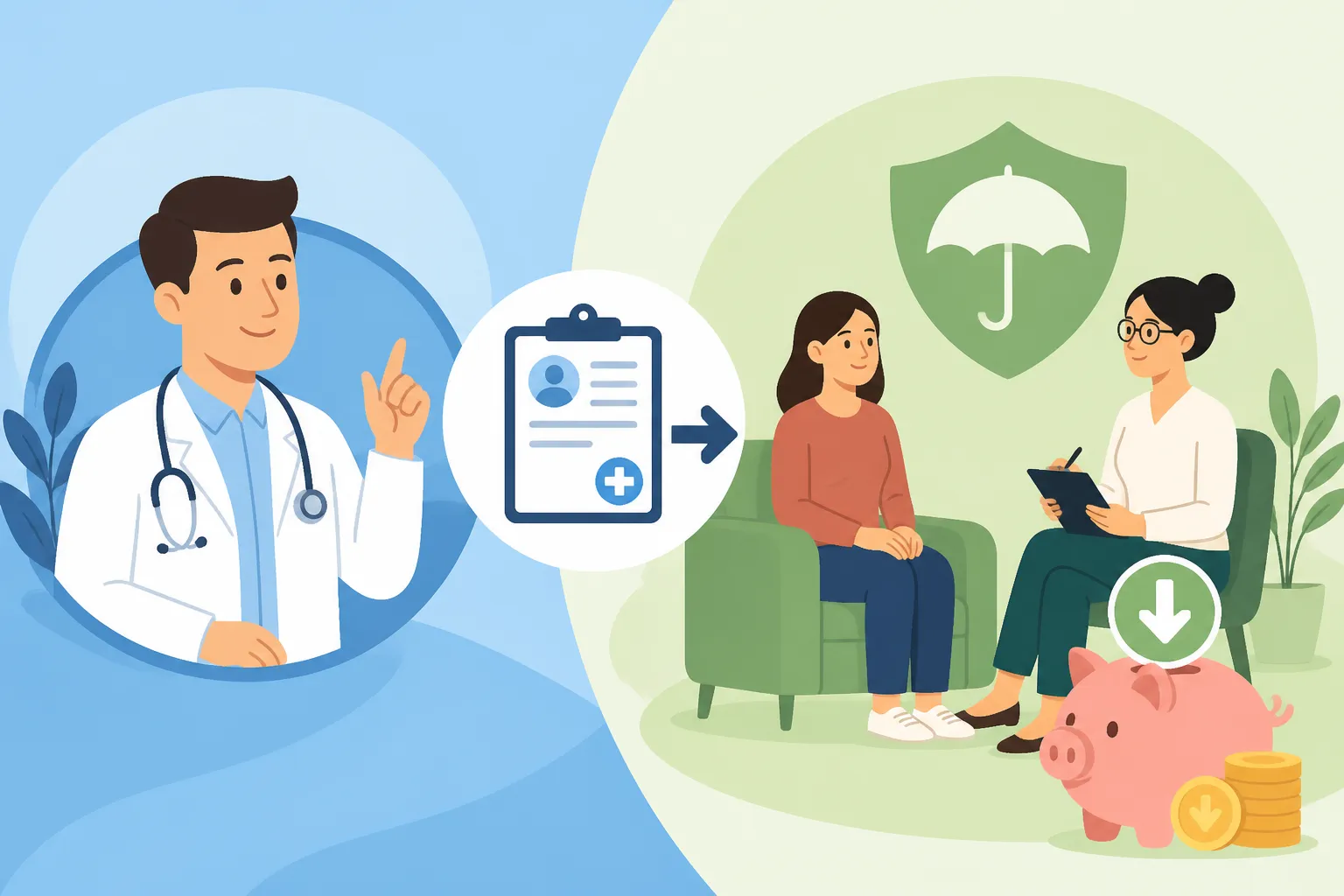
The GP's role is to assess whether your situation fits into one of the eleven categories defined by the Danish Region’s agreement with the Psychologist Association. If you qualify, the GP issues an electronic referral that sits in the national database, accessible by any psychologist who has a "provider number" (a ydernummer). This electronic link is what tells the system that you are entitled to a significant discount, usually covering about 60% of the cost.
Understanding the Specific Criteria for Subsidized Therapy
The Danish public health system does not offer subsidized therapy for "general self-improvement" or "life coaching." The subsidies are strictly regulated and targeted at specific life crises or diagnosed conditions. This is often a point of frustration for expats who are used to more flexible private systems back home. To navigate this, you need to understand exactly what the state considers a "subsidizable" event.
Currently, the categories include things like being a victim of a serious crime, being involved in a traffic accident, suffering from a terminal illness, or experiencing the death of a close relative. Crucially for many of us, there are also categories for people suffering from mild to moderate depression or anxiety. If your symptoms fall into these brackets, you are eligible for up to 12 sessions per referral. In some cases, such as depression or anxiety, the referral can be renewed for an additional 12 sessions if the GP and psychologist agree it’s necessary.
It is important to note that the GP will use standardized screening tools—like the Major Depression Inventory (MDI)—to gauge the severity of your situation. If your depression is considered "severe," the GP might instead look toward Psychiatric Care in Denmark: Referrals, Diagnosis, and Treatment, which involves a different pathway and often more intensive, fully-funded care through a hospital or psychiatric center. For those of us dealing with the "standard" expat burnout or moderate anxiety, the psychologist referral is the most common route.
The Financial Reality Subsidized vs Private Costs
The difference in price between a private session and a subsidized one is staggering. Without a referral, you are looking at paying the "market rate." In major cities like Aarhus or Copenhagen, private rates in 2026 hover between 1,000 DKK and 1,400 DKK per session. While some therapists offer a sliding scale for students or the unemployed, it remains a heavy financial burden.
When you have a referral, the state pays a large portion of the psychologist's fee directly. You are responsible for the remaining "co-payment." Typically, the first session with a referral will cost you around 450 DKK to 500 DKK, and subsequent sessions will drop to around 380 DKK to 420 DKK. This is a massive reduction and makes weekly or bi-weekly therapy sustainable for most working residents or students.
| Service Type | Estimated Private Cost (Per Session) | Estimated Subsidized Cost (With GP Referral) |
|---|---|---|
| Initial Consultation | 1,100 – 1,500 DKK | ~460 DKK |
| Follow-up Sessions | 1,000 – 1,300 DKK | ~390 DKK |
| Specialized Trauma Care | 1,400+ DKK | ~400 DKK |
| English-Speaking Specialist | 1,200 – 1,600 DKK | ~400 DKK |
For many, even 400 DKK per week can add up. This is where Private Health Insurance (Sygeforsikring "danmark"): Is It Worth It? comes into play. If you are a member of "danmark," they often provide a further reimbursement of 200 DKK to 300 DKK per session on top of the state subsidy. In some instances, your out-of-pocket cost can drop to as little as 100 DKK per session, which is essentially the price of a couple of fancy lattes in this country.
Finding the Right Psychologist and Navigating the Wait
This is where I have to give you a reality check: having a referral does not mean you get to see someone tomorrow. The "Dark Side" of the Danish subsidized system is the waiting list. Because the subsidy is so valuable, psychologists who have a provider number (ydernummer) are in extremely high demand. It is not uncommon to see waiting times of 20, 30, or even 50 weeks for a subsidized spot in Copenhagen.
To find a psychologist who accepts your referral, you should use the official portal, Sundhed.dk. You can filter by "Psykolog" and look for those who have a "tilskud ved henvisning" (subsidy by referral). The portal also lists estimated waiting times. My best advice? Do not just look at the ones in the city center. If you are willing to take the DSB train 30 minutes outside of the city, you might find a psychologist with a 4-week wait instead of a 40-week wait.
When you call these clinics, be prepared to be told they aren't taking new patients. It's a bit of a numbers game. You might need to call ten different offices before you find an opening. If you are struggling with the language barrier during this search, you can refer to our guide on Accessing English-Speaking Therapists and Counselors in Copenhagen to find practitioners who are comfortable working in English, though you should always double-check that they specifically accept the public referral.
Bridge Insurance and the 90 Day Gap
If you have just arrived in Denmark, you might not have your CPR number yet. Without that number, you don't have a yellow card, which means you don't have a GP, which means you cannot get a referral. This "limbo" period is when many expats feel most vulnerable. Moving countries is stressful, and that’s often when we need support the most.
During this initial phase, you cannot rely on the Danish state to lower your costs. This is why it is wise to having Expat Health Insurance: Coverage Before You Get Your CPR Number. Brands like SafetyWing are excellent for this specific gap. They provide travel-medical insurance that can cover emergency psychiatric needs or acute crises while you wait for your administrative paperwork to clear. It’s a safety net that prevents a mental health dip from becoming a financial disaster.
Once you are settled and have a high-paying job, you might find that the public waiting times are simply too long for your needs. In this case, premium international insurance like Cigna Global can be a lifesaver. These plans often cover private psychologist visits in full, allowing you to bypass the GP referral system and the six-month waiting lists entirely. While the monthly premiums are higher, the speed of access to care is incomparable to the public system.
How to Talk to Your GP to Secure Your Referral
One of the biggest hurdles is the actual conversation with the doctor. Many expats feel they need to "downplay" their problems because of a perceived Danish "tough-it-out" culture. I've been there—sitting on the crinkly paper of the exam table, saying "I'm fine, just a bit stressed," when I was actually having daily panic attacks. Don't do that.
To get the referral, you need to be clinical and specific. Instead of saying "I feel bad," say "I have been unable to sleep for three weeks, I am experiencing heart palpitations twice a day, and I can no longer concentrate on my work." Use the language of the criteria. If you are feeling depressed, talk about your loss of interest in activities or changes in appetite. The GP needs to document these symptoms to justify the referral to the health authorities.
If you feel your current doctor isn't listening or doesn't take mental health seriously, remember that you have the right to switch. You can learn How to Choose and Change Your General Practitioner (GP) in Denmark quite easily through the Borger.dk portal. Sometimes, a fresh set of eyes—or a doctor who specializes in mental health—makes all the difference in getting the support you need.
Practical Steps After Receiving Your Electronic Referral
Once your GP says "I've sent the referral," it is live in the system. It is usually valid for one year from the date of issue. You don't get a physical piece of paper; it’s all tied to your CPR number. Your next step is to find the psychologist and provide them with your CPR. They will "pull" the referral from the server and handle the billing with the regions behind the scenes.
Remember that you are not tied to the first psychologist you visit. If you go to a subsidized session and realize you don't click with the therapist, you can take your referral elsewhere. However, you should be mindful that the "clock" on your 12 sessions doesn't reset. If you used 3 sessions with one person, you have 9 left for the next.
This system is also where Finding Medical Care in Denmark: GPs, Specialists, and Referrals becomes a broader topic. The referral for a psychologist is just one part of the network. If your therapist believes your issues are physiological or require medication, they will coordinate back with your GP, who remains the central hub of your care. It’s a collaborative circle intended to keep you from falling through the cracks, provided you know how to navigate the initial paperwork.
Summary of the Referral Pathway
Navigating mental health in a new country is never easy, but the Danish system provides a robust—if slow—safety net. By securing a GP referral, you effectively cut your therapy costs by more than half, turning a luxury service into a standard part of your healthcare routine.
- Register: Ensure your CPR and Yellow Card are active.
- Consult: Book a "psyke-snak" with your GP and be brutally honest about your symptoms.
- Validate: Ensure your situation fits one of the 11 subsidy categories (like mild/moderate anxiety or depression).
- Search: Use Sundhed.dk to find a psychologist with a "ydernummer" and an English-speaking capacity.
- Patience: Prepare for a waiting period, or use private insurance like Cigna Global to skip the line.
- Execute: Present your Yellow Card at the psychologist's office; the subsidy is applied automatically.
The administrative burden might feel heavy when you are already struggling, but taking these steps ensures that your mental health care is a sustainable, long-term investment rather than a short-term financial drain.
Medical Disclaimer
This article is for informational purposes only and does not constitute medical or legal advice. The Danish healthcare system and its subsidy rates are subject to change by the Ministry of Health and the Danish Regions. Always consult with a licensed General Practitioner (Læge) in Denmark regarding your specific health concerns. If you are in immediate crisis, please call the emergency services at 112 or the psychiatric emergency room (Psykiatrisk Skadestue) in your region.