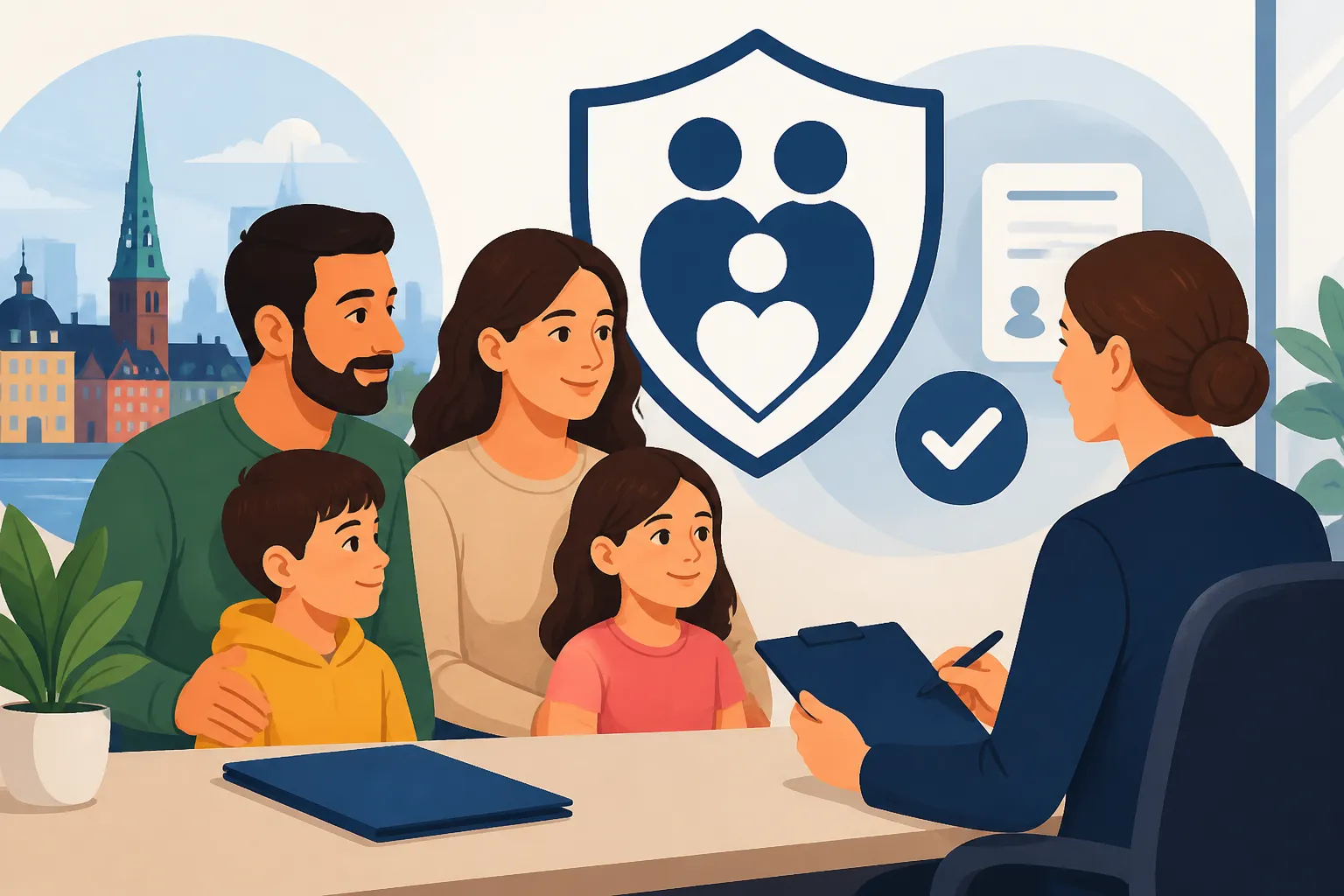
The “Immigration Service” Interview: Preparing for Family Reunification
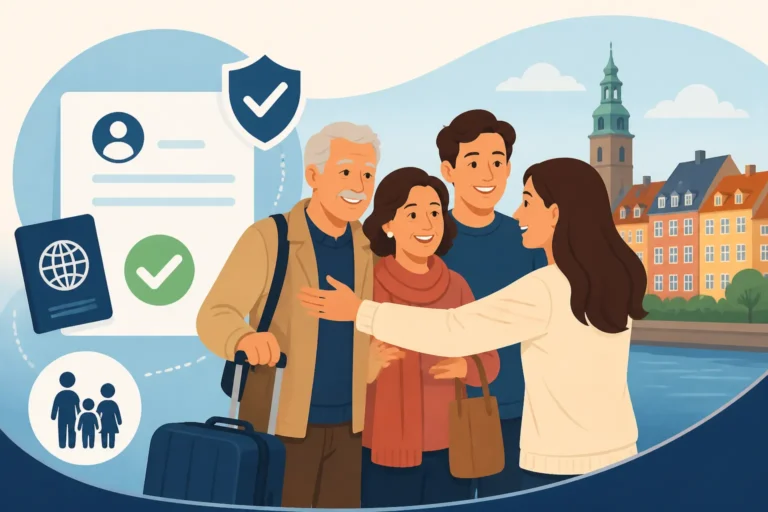
Oh, the infamous "Immigration Service" interview for family reunification in Denmark. Just hearing those words can send shivers down your spine, can't it? It feels like your entire future, your family's future, hinges on a single conversation, often conducted in a sterile office by people who sometimes seem more interested in finding discrepancies than celebrating love. Believe me, I've seen firsthand, and heard from countless others, the immense stress and anxiety this stage of the process can cause. This guide is here to pull back the curtain, give you a realistic peek at what to expect, and arm you with the knowledge to walk into that interview feeling as prepared and confident as possible. We'll dive deep into the purpose, what they're looking for, essential documents, and how to navigate the questions with grace and honesty.
Understanding the Purpose of the Family Reunification Interview
Let's be brutally honest: Denmark's approach to family reunification, especially for non-EU citizens, is notoriously stringent. It’s not simply a formality; it’s a critical step where the authorities scrutinize the authenticity of your relationship. They want to be absolutely certain that your marriage or partnership is genuine and that the person applying for reunification isn't entering Denmark under false pretenses. This isn't unique to Denmark, of course, but the level of detail they delve into can feel quite invasive, and for good reason from their perspective: they're trying to prevent forced marriages, marriages of convenience, and to ensure that new residents can integrate into Danish society.
Who Conducts the Interview and Why?
Typically, the interviews related to family reunification are handled by the Danish Agency for International Recruitment and Integration (SIRI) or, in some cases, by the Danish Immigration Service (Udlændingestyrelsen) directly. You might have had initial dealings with SIRI for your own work or study visa, but for family matters, both agencies play a role. The specific authority will depend on your individual circumstances and whether your application is being processed at an embassy abroad or within Denmark. The core "why" behind these interviews is to gather more qualitative information that documents alone simply cannot provide. They need to put a human face to the application, listen to your story, and compare it with your partner's story, looking for consistency, depth, and genuine shared experiences. They're trying to build a comprehensive picture of your life together. It's not just about proving you're legally married; it's about proving you have a real relationship.
It can feel incredibly frustrating to have your love life dissected in such a manner. Many expats feel insulted by the implication that their relationship might be fake, especially when they've built a life together over years. This process can definitely test your patience and make you question the fairness of it all. Remember, this isn't personal; it's standard procedure for them, albeit a tough one for applicants.
What Are They Really Looking For?
The authorities are meticulously seeking evidence of a sustained and genuine shared life. They want to see that your relationship isn't just a paper transaction but a living, breathing partnership with shared responsibilities, memories, and future plans. This means they are looking for consistency in your narratives. If one partner says you met in a café in Copenhagen and the other says you met online, that's a red flag. If your stories about significant life events — an anniversary, a holiday, a major decision — don't align, it raises questions.
They're also heavily focused on your integration efforts and financial stability. This touches upon key aspects like the infamous The 24-Year Rule and Housing Demands and The Financial Collateral Rule for Family Reunification Explained. If the applicant already living in Denmark isn't showing a clear path to supporting the family financially or doesn't have suitable housing, it complicates matters significantly. Beyond finances, they assess how well you're both integrating into Danish society. Do you speak any Danish? Do you have a local network? Have you made efforts to participate in local life? These aren't always explicit requirements for the interview itself, but they contribute to the overall impression of genuineness and commitment to living in Denmark long-term. They're essentially trying to ensure that the reunited family unit will be able to sustain itself and contribute to society, rather than becoming dependent on public funds.
For unmarried partners, the focus shifts slightly to proving cohabitation and a marriage-like relationship. This is where topics like Proving Cohabitation (Samliv) for Unmarried Partners become absolutely critical, requiring even more robust documentation of shared residency and joint life.
Essential Documents and Proof for Your Interview
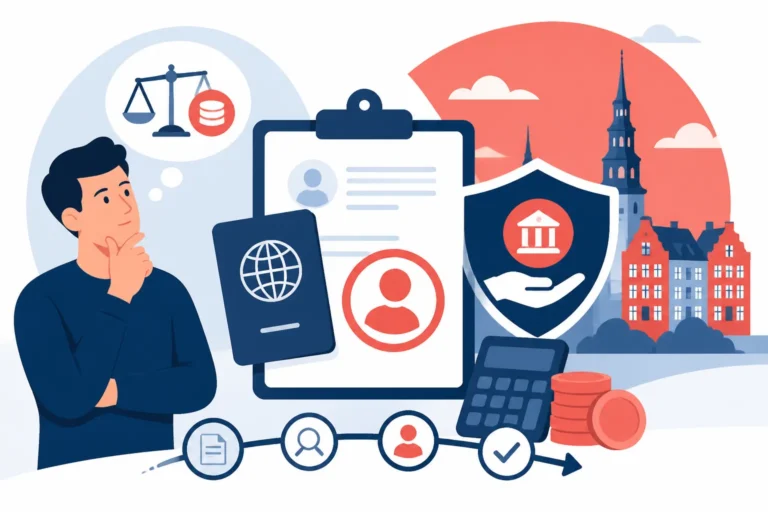
When it comes to the interview, documentation is your best friend. Even if you've already submitted a hefty application, having originals and copies of everything readily available will not only streamline the process but also demonstrate your thoroughness and commitment. Think of it as building an ironclad case for your love story.
Gathering Personal and Relationship Documents
Beyond the standard passport, birth certificate, and marriage certificate (if applicable), you need to think about documents that paint a picture of your relationship's history. This includes:
- Marriage Certificate: If you're married, ensure it's legally recognized in Denmark. This often means having it translated and apostilled or legalized by the relevant authorities in the country where it was issued. You might have already gone through the process of Registering a Foreign Marriage in Denmark for Visa Purposes.
- Photos: A collection of photographs from different stages of your relationship – dating, engagement, wedding, holidays, family gatherings – is incredibly powerful. They show shared experiences and a visual timeline. Don't just bring five identical selfies; bring a diverse album that tells a story.
- Communication Records: Screenshots of messages, call logs, emails, or video call histories, especially if you've had a long-distance relationship. These demonstrate continuous contact and emotional investment. Highlight key dates or conversations if possible.
- Joint Financial Documents: Bank statements showing a joint account, joint credit cards, shared utility bills (electricity, internet, etc.), or proof of shared rent payments. This shows you share financial responsibilities, a hallmark of a genuine partnership.
- Travel Itineraries/Tickets: If you've traveled together or visited each other, keep copies of flight tickets, train tickets, hotel bookings, or visa stamps that prove these visits.
- Letters of Support: While not always required, letters from friends or family members who can attest to the genuineness and duration of your relationship can be a nice addition. These should ideally come from people who know both of you well.
- Lease Agreements/Housing Documents: Proof that you have lived together, or have adequate housing arranged in Denmark for both of you. This is a big one, as Danish housing standards play a role in reunification approval.
Proving a Shared Life and Integration
This is where you move beyond just "proving you're a couple" to "proving you're a couple building a life in Denmark (or planning to)". The Danish authorities place significant emphasis on integration potential.
- Shared Address/Utilities: If your partner is already in Denmark and you're applying from abroad, or if both of you are already in Denmark and seeking to formalize a partnership, concrete evidence of a shared address is paramount. This includes a valid lease agreement where both names are listed, utility bills in both names, and official mail from authorities like the municipality or SKAT being sent to that address.
- Integration Efforts of the Danish Resident: If one partner is Danish or a long-term resident, evidence of their integration is also important. Are they actively employed? Do they speak Danish? Are they involved in community activities? While not directly about your relationship, it speaks to the stability of the foundation you are building.
- Joint Activities and Social Life: Can you show evidence of a shared social life? Photos with Danish friends, membership in clubs or associations, participation in local events. This shows an effort to build a life here beyond just the two of you. This is also where you might consider joining local 'foreninger' (associations) as a way of Social Integration: Making Friends and Understanding Danish Etiquette.
- Language Learning: Even if it's just basic phrases, showing an interest in learning Danish can be a strong indicator of commitment to integration. While not always a direct requirement at the interview stage, it certainly paints a positive picture.
Remember, the goal is to leave no room for doubt. The more robust and varied your evidence, the stronger your case.
The Importance of Accurate Translations
This is a step many expats overlook or try to cut corners on, and it can cause significant delays or even issues with your application. If any of your official documents – marriage certificates, birth certificates, divorce decrees, academic records, police clearances – are not in Danish or English, they must be professionally translated. And not just any translation will do.
You generally need translations done by a sworn translator (statsautoriseret translatør) in Denmark or a translator whose qualifications are recognized by the Danish authorities. For documents translated outside Denmark, they often require an apostille or legalization stamp from the country of origin to verify the authenticity of the translator's signature and the document itself. This can be a complex and costly process, but it's non-negotiable for official purposes. Services like RushTranslate or Translayte are excellent options for certified translations that meet these rigorous standards, ensuring your documents are accepted without question. They understand the nuances of legal translations and can often provide the necessary certifications, saving you a headache down the line. Don't risk a rejection or delay because of a poorly translated document; it's just not worth it.
Navigating the Interview Itself: What to Expect
The actual interview can be the most nerve-wracking part. The atmosphere can range from strictly formal to surprisingly relaxed, but it's best to prepare for the former. The key is to remain calm, consistent, and honest.
The Interview Format and Setting
Typically, you and your partner will be interviewed separately. This is a deliberate tactic to test the consistency of your stories without one partner prompting the other. Don't be surprised if you're asked identical questions in different rooms or at different times. The interviewer will likely take detailed notes, which they will then compare.
The setting will usually be a plain office at a SIRI or Udlændingestyrelsen branch. Be punctual, dress respectfully (no need for a suit, but clean and tidy), and bring all your original documents and copies. If you or your partner are not proficient in Danish or English, you have the right to an interpreter. It's crucial to inform the authorities about this need beforehand so they can arrange one. While you can bring your own, it's generally recommended to use one provided by the authorities to avoid any perception of bias or miscommunication. Remember, your right to an interpreter is fundamental, similar to how you would expect Translators in Danish Healthcare: Your Right to an Interpreter in medical settings. If an interpreter is provided, speak slowly and clearly, and address your answers to the interviewer, not the interpreter.
Common Questions and How to Answer Them Honestly
The questions can feel incredibly personal, bordering on intrusive. They're designed to delve into the nitty-gritty of your relationship. Here's a sample of what you might encounter, and advice on how to approach them:
- How and when did you meet? What were your first impressions? Be specific with dates, locations, and details. Both partners should have a clear, consistent story.
- Describe your daily routine together. This checks if you genuinely share a life. What time do you wake up? Who makes coffee? What do you do in the evenings? Do you cook together? What chores do you share?
- What are your partner's hobbies/interests? What do you enjoy doing together? Demonstrate knowledge of each other's personalities and shared activities.
- Where did you spend last Christmas/birthday/significant holiday? What did you do? Again, specific dates and details are key for consistency.
- What are your future plans as a couple? Do you plan to have children? Where do you see yourselves in 5 years? This shows commitment and a long-term vision.
- How do you handle disagreements? What was your last argument about? This reveals how you navigate conflict, a normal part of any real relationship.
- Describe your living arrangements. Be clear about your current address, who pays rent, who owns the apartment, etc.
- What are your financial arrangements? Do you have joint accounts? Who manages the household budget? Be transparent about your finances.
- Why did you choose to move to Denmark/bring your partner to Denmark? Have a clear, genuine reason beyond just the relationship.
- Do you know your partner's parents/siblings? Describe them. Shows depth of involvement with each other's families.
The golden rule here is honesty and consistency. Do not try to memorize answers or fabricate details. It's perfectly okay to say "I don't remember the exact date, but it was around [month/year]" if you genuinely can't recall. However, if your partner says one thing and you say another about a significant event, it will raise suspicion. The interviewers are trained to spot inconsistencies and evasiveness. It's about telling your truth, consistently.
Handling Difficult or Sensitive Questions
Sometimes, questions can feel very intrusive or make you uncomfortable. You might be asked about your sexual relationship, your partner's past relationships, or very personal family matters. While these questions are tough, they are unfortunately part of the process for them to assess genuineness.
- Maintain Composure: It's vital to stay calm and respectful, even if you feel offended. Losing your temper will not help your case.
- Answer Truthfully, but Concisely: You don't need to offer unnecessary details, but answer the question directly. If you genuinely don't know the answer to something about your partner's past that predates your relationship, it's okay to say so.
- Your Rights: You have the right to ask for clarification if you don't understand a question. You can also take a moment to compose yourself if you feel overwhelmed. While you are expected to cooperate, you are not obligated to discuss intimate details that feel excessively invasive beyond the scope of proving a genuine relationship. If you feel truly violated or discriminated against, note the interviewer's name and the specific questions asked, and consider seeking legal advice afterwards. However, for most, a deep breath and a concise, honest answer will suffice.
After the Interview: What Happens Next?
The interview itself is just one piece of the puzzle, albeit a very significant one. Once it's over, the waiting game begins, and unfortunately, it can be a long one.
Processing Times and Potential Outcomes
After your interview, the authorities will review all the information gathered – your application, your documents, and the interview transcripts. They will compare your answers and look for any discrepancies. SIRI processing times can vary wildly, and you'll find similar delays whether you're dealing with SIRI: Processing Times, Biometrics, and Appeals or other visa applications. Patience is a virtue, but it's also incredibly difficult when your life is in limbo.
- Approval: If they are satisfied, you will receive an approval letter, and your partner will be granted a residence permit. This is the moment of relief and celebration!
- Follow-up Questions: It's not uncommon to receive additional questions or requests for more documents if something was unclear or if new information is needed. Respond promptly and thoroughly.
- Rejection: Unfortunately, applications can be rejected if the authorities are not convinced of the genuineness of the relationship, if criteria like the 24-year rule or financial collateral are not met, or if there are other eligibility issues. If your application is rejected, you will receive a detailed explanation of the reasons. You usually have the right to appeal this decision to the Immigration Appeals Board (Udlændingenævnet). This is a complex process, and legal counsel is highly recommended.
- Maintaining Communication: All official communication from SIRI or Udlændingestyrelsen will typically come through digital post via platforms like E-Boks vs. Mit.dk: Receiving Official Financial Mail from the State. It is crucial to check these platforms regularly so you don't miss any important updates or requests.
Maintaining Your Relationship and Documentation
The period after the interview, while waiting for a decision, can be emotionally taxing. Continue to live your lives as normally as possible, and importantly, keep documenting your shared life. If you move addresses, get new jobs, or have other significant life events, keep records. Should there be delays, or if you need to appeal, having continuous, up-to-date evidence of your relationship and shared life will only strengthen your case.
This entire process, from the initial application to the interview and the anxious wait, is designed to be thorough. While it can feel impersonal and frustrating, approaching it with honesty, meticulous preparation, and a clear understanding of what the authorities are looking for will significantly increase your chances of a positive outcome. Remember, your love story is valid, and with careful preparation, you can present it convincingly.
Key Documents and Interview Topics for Family Reunification
To help you organize your thoughts and documents, here's a quick overview of what you should gather and the areas of questioning to prepare for:
| Category | Example Documents/Information to Gather | Common Interview Question Areas |
|---|---|---|
| Personal Identity | Passports, birth certificates, national ID cards, previous visa/residence permits. | Verify identities, travel history, immigration status. |
| Relationship Proof | Marriage certificate (if applicable), photos (diverse timeline), communication logs (chats, calls, emails), travel tickets/itineraries, joint holiday bookings, social media posts/tags. | How you met, relationship history timeline, significant dates, shared experiences, mutual friends, family interactions. |
| Shared Life | Joint lease agreements, utility bills in both names, joint bank statements, shared credit cards, mail addressed to both at the same address, proof of cohabitation (e.g., statements from neighbors/landlord). | Daily routines, division of household chores, shared responsibilities, decision-making processes, how you spend free time together, last argument. |
| Financial Stability | Bank statements (individual and joint), payslips, employment contracts, proof of income, The Bank Guarantee Requirement for Family Reunification documentation, tax assessments. | Income sources, how household expenses are managed, who pays for what, future financial plans, ability to support partner without public assistance. |
| Housing | Lease agreement with sufficient space, proof of ownership, property deeds (if owned), photos of your home. | Details of current living situation, number of rooms, who lives there, suitability for both partners, future housing plans. |
| Integration | Evidence of language learning (Danish classes, certificates), local club memberships, work history in Denmark, engagement with Danish culture, plans for further integration. | Reasons for choosing Denmark, efforts to learn Danish, understanding of Danish society, social network in Denmark, future plans for education/employment/social involvement. |
| Other | Divorce decrees (if applicable), police clearance certificates, medical certificates (if required), Accurate Translations by RushTranslate or Translayte of all non-English/Danish documents. | Any specific red flags from the application, criminal history, health concerns (if relevant to specific visa types). |
Disclaimer
Please remember that I am an expat blogger sharing my experiences and observations, not a legal professional. While I strive to provide accurate and up-to-date information, immigration laws and procedures in Denmark can change frequently and are highly individual. This guide should be used for informational purposes only and does not constitute legal advice. Always consult with the official Danish authorities (SIRI, Udlændingestyrelsen) or a qualified immigration lawyer for personalized advice regarding your specific situation.