Tips for Dealing with Denmark’s Extremely Hard Tap Water (Kalk)
Ah, the infamous Danish kalk! If you've spent more than a week here, you've probably already started noticing that pesky white residue on your taps, the cloudy film on your freshly washed glasses, or perhaps even felt a certain stiffness in your hair after a shower. You’re not imagining things, and no, you’re not doing anything wrong with your cleaning routine. Denmark’s tap water is notoriously hard, thanks to its high mineral content, and it can be a source of constant frustration for newcomers. This guide is here to commiserate with your kalk-induced woes and arm you with practical, realistic strategies to manage this persistent element of Danish living, so you can spend less time scrubbing and more time enjoying your new home.
The Unavoidable Reality: What is Danish Kalk and Why Is It Everywhere?
When you first arrive in Denmark, the pristine nature, clean streets, and efficient public services often make a fantastic first impression. Then, you encounter kalk, and it suddenly feels like you've stumbled upon Denmark's dirty little secret. This isn't just a minor aesthetic issue; it's a fundamental part of the country's water supply, stemming from its very geology.
The Geological Story Behind Denmark's Hard Water
To understand why kalk is so prevalent, we need to take a quick geological detour. Much of Denmark sits atop a bedrock of limestone and chalk, formed over millions of years from ancient marine sediments. As rainwater seeps through these layers deep underground, it dissolves the calcium and magnesium carbonates, picking up these minerals along the way. This groundwater is then pumped up, treated to remove impurities and bacteria, and distributed as tap water across the country. While the water is incredibly clean and safe to drink – arguably among the best in the world in terms of purity – the mineral content remains high.
This high concentration of dissolved calcium and magnesium is what we refer to as "hard water." When this hard water evaporates, it leaves behind the visible white, chalky residue – kalk. Different municipalities will have varying levels of hardness depending on their specific groundwater sources, but generally, Denmark’s water is considered medium to very hard. So, it's not a temporary problem; it’s an inherent characteristic of the water that flows into almost every Danish home, apartment, and office. It's a fundamental aspect of your Utilities Setup: Electricity, Water, Heating, and Internet in Denmark.
The Daily Annoyances and Visible Toll of Kalk
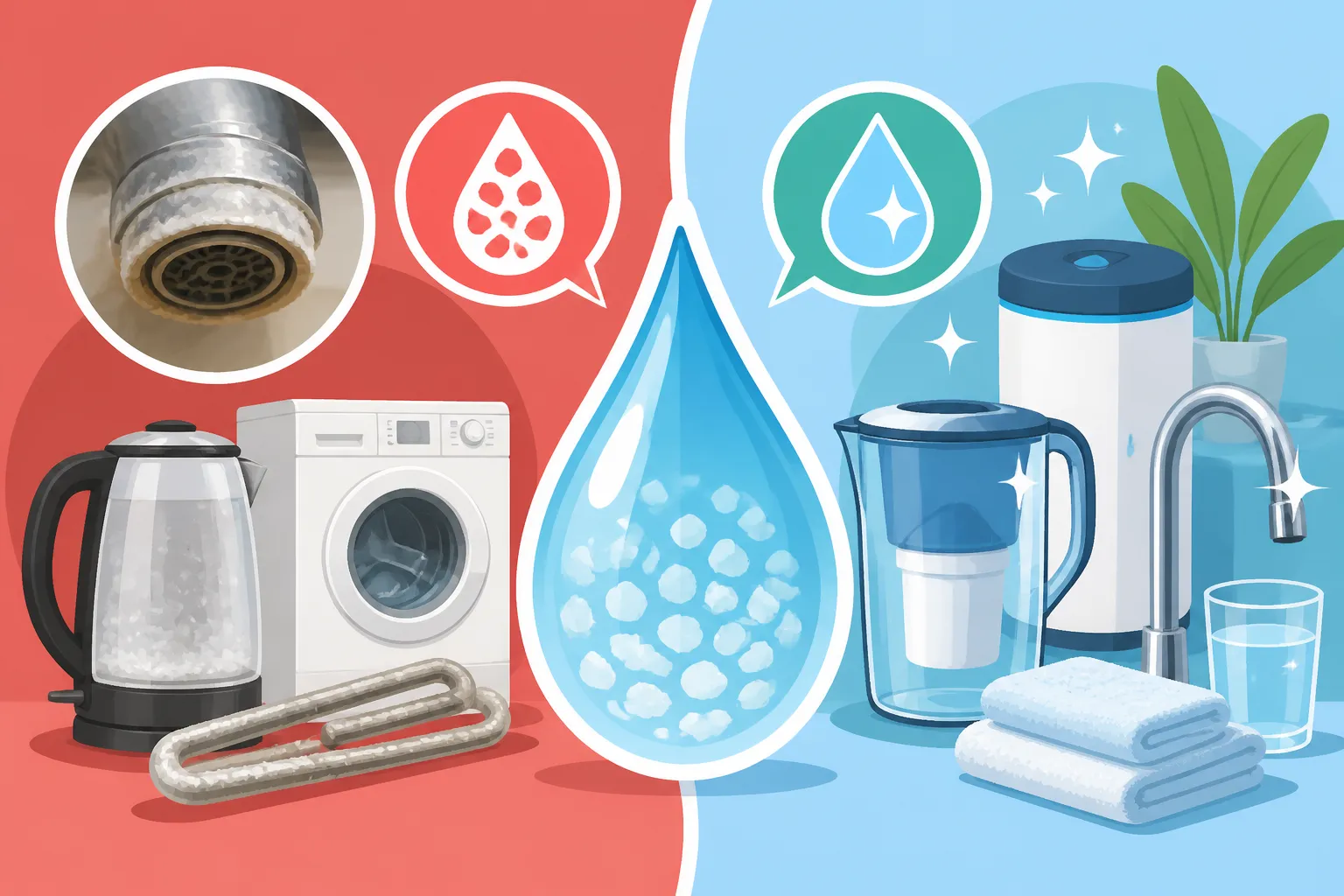
It doesn’t take long for the evidence of hard water to accumulate. You’ll start noticing it everywhere. In the bathroom, showerheads develop a crusty white buildup, faucets lose their shine, and tiles accumulate a dull film despite your best scrubbing efforts. Your shower glass might constantly look streaky, and soap scum seems to be an ever-present feature. It makes cleaning feel like a Sisyphean task – you clean it, and it's back almost immediately.
In the kitchen, kettles become lined with a thick layer of white sediment, coffee machines start sputtering, and dishwashers leave an unwelcome cloudy film on your supposedly clean glassware and cutlery. You might pull a plate out of the dishwasher only to realize it still looks dirty, leading to endless rewashing. Laundry can feel stiff, and clothes might seem to lose their vibrancy faster than you'd expect. Many expats also report that their hair feels dry, dull, or greasy, and their skin feels tight or itchy after showering, no matter what products they use. These aren't just minor inconveniences; they can significantly impact your daily comfort and the perceived cleanliness of your home. It’s one of those silent frustrations that can really grind you down in a new country.
Is Hard Water a Health Risk? Separating Fact from Fear
One of the first concerns many expats have is whether this hard water is actually safe to drink. Rest assured, despite its annoying visual effects, Danish tap water with its high kalk content is perfectly safe for consumption and is actually packed with beneficial minerals like calcium and magnesium. These are good for your bones and overall health, so in that sense, you’re getting a little extra boost with every sip!
However, the taste can be a point of contention. If you come from a region with very soft water, the mineral-rich Danish tap water might taste different – some describe it as "heavy" or having a slight "earthy" note. This is entirely subjective, and many Danes and long-term expats drink it straight from the tap without a second thought. The appearance of kalk in your kettle might look alarming, but it's purely mineral buildup and not harmful bacteria or contaminants. So, while it might be irritating for your appliances and your cleaning routine, it won't harm your health.
Mastering the Daily Battle: Practical Strategies for Kalk Management
Since waiting for the water to miraculously soften isn't an option (and certainly not one your landlord will assist with, as general kalk is a standard condition here), your best bet is to adopt proactive strategies. Think of it as embracing the Danish way: dealing with reality head-on, efficiently.
Winning the War in the Kitchen and Bathroom
This is where the kalk really makes its presence known, and where your most immediate solutions will be applied.
Natural Acids are Your Best Friends
Forget expensive, harsh chemicals for everyday kalk removal. Your secret weapons are humble, eco-friendly, and incredibly effective: white vinegar (eddike) and citric acid (citronsyre).
- White Vinegar: Keep a spray bottle filled with a 50/50 mix of white vinegar and water. For faucets and showerheads, spray liberally and let it sit for 15-30 minutes (or longer for heavy buildup). Wipe with a cloth, and watch the kalk dissolve. For kettles, fill with a cup of vinegar and a few cups of water, bring to a boil, let it sit for an hour, then rinse thoroughly. The smell can be strong, but it dissipates quickly.
- Citric Acid: This is fantastic for coffee machines, dishwashers, and washing machines. You can buy it in powder form (often in the baking aisle or cleaning section of supermarkets). For a coffee machine, dissolve 1-2 tablespoons in water and run it through the machine (without coffee). For dishwashers, sprinkle a few tablespoons into the detergent dispenser and run an empty cycle. It’s odorless, which is a big bonus for many!
Specialized Kalk Removers and Where to Find Them
Sometimes, the buildup is too severe for natural acids, or you simply prefer a stronger, faster solution. Danish supermarkets like Netto, Rema 1000, and Føtex, as well as hardware stores like Silvan or Bauhaus, stock a variety of specialized descaling products. Look for brands like Borup Afkalker or Minus Kalk. These typically contain stronger acids and are highly effective for tough jobs.
- Important Note: Always read the instructions carefully, ensure good ventilation, and never mix different descaling products, especially those containing bleach, as this can create dangerous fumes. These products are usually used less frequently than your daily vinegar spray.
Preventative Measures for Surfaces and Glassware
The easiest way to combat kalk is to prevent its buildup in the first place.
- Wipe Down After Use: Get into the habit of wiping down your shower walls, faucets, and sinks after each use with a squeegee or a microfibre cloth. This removes the water before it can evaporate and leave kalk.
- Dishwasher Rinse Aid: Don't skip the rinse aid in your dishwasher. It helps water sheet off dishes, preventing those unsightly water spots and cloudy film. Ensure your dishwasher is set to the correct water hardness level (check your manual) for optimal detergent dosing.
- Regular Descaling: Make descaling kettles and coffee machines a monthly ritual, not just when they start looking like a science experiment. Consistency is key.
Protecting Your Appliances and Clothing
Your expensive appliances are particularly vulnerable to kalk damage, as the mineral buildup can reduce their efficiency and lifespan.
Washing Machines and Dishwashers
These machines use hot water, which accelerates kalk buildup on heating elements and internal components. This not only makes your appliances work harder (increasing energy consumption) but can also lead to costly breakdowns.
- Water Softener Tablets/Liquid: Consider adding water softener tablets or liquid (like Calgon) to every wash cycle, especially if you live in a very hard water area. These products bind with the calcium and magnesium, preventing them from forming limescale. It’s an extra cost, but it can significantly prolong the life of your machine and keep your clothes softer.
- Regular Cleaning Cycles: Most modern washing machines and dishwashers have dedicated cleaning or descaling cycles. Use these regularly with a specialized cleaner or citric acid to maintain them.
Coffee Makers and Kettles
These are perhaps the most visibly affected appliances.
- Kettles: As mentioned, a vinegar or citric acid boil-and-soak is your best friend here. Aim for at least once a month, or more frequently if you use your kettle constantly.
- Coffee Makers: Again, a citric acid solution run through the brewing cycle (without coffee) will do wonders. Be sure to run several cycles of clean water afterward to flush out any residue.
Ironing and Steam Cleaners
Appliances that produce steam are also susceptible. The kalk in the water can clog the internal mechanisms and leave white flecks on your clothes.
- Distilled Water: For irons, steam mops, or garment steamers, it's highly recommended to use distilled water (demineraliseret vand), available cheaply in supermarkets. This completely avoids kalk buildup and keeps your appliances running smoothly.
Nurturing Your Hair and Skin
The effects of hard water on personal care can be just as frustrating as the effects on your home.
Shower Filters: A Personal Investment
If you're finding your hair dull, your scalp itchy, or your skin dry, a shower filter might be a worthwhile investment. These attach directly to your showerhead or in the shower line and contain filter media designed to reduce chlorine and heavy minerals like calcium and magnesium.
- Effectiveness: While they won't make the water as soft as a whole-house system, many expats report a noticeable difference in the feel of their hair and skin.
- Where to Buy: You can find these online or in larger hardware stores. They range in price, and the filters usually need to be replaced every 3-6 months.
Hair and Skin Care Adjustments
Sometimes, simple product changes can help mitigate the effects.
- Clarifying Shampoos: Use a clarifying shampoo once a week or bi-weekly to remove mineral buildup from your hair.
- Apple Cider Vinegar Rinses: Diluted apple cider vinegar can also help restore your hair's pH balance and shine.
- Richer Moisturizers: Invest in richer, more hydrating body lotions and creams to combat the drying effects of hard water on your skin.
Deeper Dive: Long-Term Solutions and Considerations for Renters vs. Owners
While daily management is crucial, some expats wonder about more permanent fixes. This is where the distinction between renting and owning property in Denmark becomes critical.
Whole-House Water Softeners: A Big Commitment
A whole-house water softener is the ultimate solution to hard water. These systems typically use an ion-exchange process to remove calcium and magnesium ions from the water as it enters your home, replacing them with sodium ions. The result is truly soft water throughout your entire property.
Understanding the System
These systems consist of a large tank containing resin beads that attract the hard minerals. Periodically, the system "regenerates" by flushing the resin with a brine solution (saltwater), which washes the minerals away.
Feasibility for Expats
For the vast majority of expats living in rental apartments, a whole-house water softener is simply not an option. Landlords are unlikely to install such a system for an individual tenant, and installing one yourself in a rented property would be a significant, unauthorized alteration requiring substantial investment and municipal permits. When looking for a place to live, platforms like Spotahome are great for finding rentals, but it’s highly unlikely you’ll find explicit information about water hardness or softening systems in the property descriptions. If you're seriously concerned about water hardness in a specific area, you might need to do your own research on the local municipality's water reports before you sign a lease.
However, if you are purchasing a private home, especially an older one in a known hard-water area, installing a whole-house softener can be a valuable long-term investment. They typically cost between DKK 10,000-30,000+ for the unit and installation, plus ongoing costs for salt replenishment. It's a significant commitment, but it offers complete freedom from kalk throughout your home. Remember that any major plumbing work requires proper permits and professional installation.
Filtering Options Beyond the Shower Head
Beyond shower filters, there are other filtering solutions that can improve the quality of your drinking and cooking water.
Faucet-Mounted Filters and Pitcher Filters
These are readily available and quite affordable.
- Pitcher Filters (e.g., Brita): These are convenient and popular for improving the taste of drinking water by reducing chlorine and some minerals. They won't eliminate all kalk but can make a noticeable difference in taste. The filters need regular replacement.
- Faucet-Mounted Filters: These attach directly to your tap and filter water on demand. They're good for drinking and cooking but are usually not designed for large volumes like filling a bathtub.
Under-Sink Filters
More robust than pitcher filters, these systems are installed directly under your kitchen sink and connect to a dedicated faucet or your main kitchen tap. They provide filtered water for drinking and cooking. While requiring a bit more installation than a pitcher filter, they are still relatively simple compared to a whole-house system. They're a good compromise if you want better drinking water but a whole-house system isn't feasible.
When to Talk to Your Landlord or Building Management
In Denmark, the presence of hard water and kalk is generally considered a normal environmental factor, not a defect in a rental property. Therefore, your landlord is typically not obligated to provide solutions or cover costs related to kalk removal. This is part of the reality of Renting in Denmark: Complete Guide for Expats (2027).
However, there might be specific, rare instances where discussion is warranted:
- Extreme Buildup Causing Damage: If the kalk buildup is so severe that it's actively damaging built-in fixtures (e.g., completely calcifying pipes, rendering a toilet unusable) and the tenant has made reasonable efforts at maintenance, it might be grounds for discussion. But this is rare and would require expert assessment.
- Communal Appliances: If you live in a building with shared laundry facilities, the building management or ejerforening (owner's association) is responsible for the maintenance of those machines. If kalk is causing frequent breakdowns, they should be addressing it, perhaps through central softening or regular maintenance.
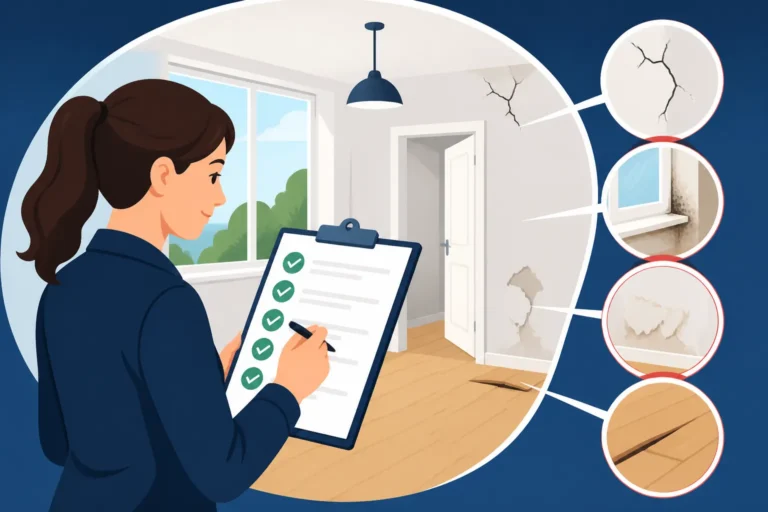
- Documenting Conditions: During your The Move-In Inspection (Indflytningssyn): Documenting Property Flaws, it's always wise to note any existing heavy kalk buildup on fixtures, just as you would any other wear and tear. This protects you from being held responsible later.
Ultimately, for most expats, dealing with kalk in a rental property falls under personal household maintenance. If you face a genuine dispute over these matters, an organization like LLO (Tenant Rights and LLO (Lejernes Landsorganisation) Protection) could offer advice, but for basic kalk problems, they would likely advise self-management.
The Cost of Hard Water and Sustainable Approaches
Beyond the visible annoyances, kalk also has financial and environmental implications that are worth considering. It quietly adds to your overall Cost of Living in Denmark 2026: Budgets for Singles and Families.
The Hidden Costs of Kalk
The constant battle against kalk can hit your wallet in several ways:
- Higher Energy Bills: Limescale buildup on heating elements (in kettles, washing machines, dishwashers, and water heaters) acts as an insulator, making these appliances less efficient. They have to work harder and use more electricity to heat water, leading to higher energy consumption and thus, higher bills.
- Shorter Appliance Lifespans: The stress that kalk puts on appliances can shorten their operational life, meaning you'll need to replace them more frequently than you would in a soft water environment. This is an unexpected long-term cost.
- Constant Purchase of Cleaning Supplies: You'll find yourself buying descaling tablets, vinegar, citric acid, and specialized kalk removers on a regular basis. While individually not hugely expensive, these recurring costs add up over time.
Environmental Impact of Chemical Descalers
While commercial descalers are effective, they often contain strong acids and chemicals. Frequent use and disposal of these products can have an environmental footprint, contributing to chemical runoff into waterways. As environmentally conscious individuals, many expats prefer to minimize their reliance on harsh chemicals.
Embracing Eco-Friendly Alternatives
This is where returning to your natural acid heroes – vinegar and citric acid – truly shines. They are biodegradable, non-toxic (when used correctly), and incredibly effective.
- Microfibre Cloths: Invest in good quality microfibre cloths for wiping down surfaces after use. They are highly absorbent and help prevent kalk buildup without the need for additional chemicals.
- Regular, Not Reactive, Cleaning: The best way to be environmentally friendly is to clean regularly, preventing heavy buildup that requires stronger chemicals. A quick wipe down daily is far more sustainable than an intense chemical scrub once a month.
- Consider Sustainable Products: When you do need to buy cleaning supplies, look for products with eco-labels or those specifically designed to be environmentally friendly.
- Water Filters: While the filters themselves need to be replaced, using a pitcher filter for drinking water can reduce your reliance on bottled water, which has its own environmental impact.
Dealing with kalk is an undeniable part of Danish life. It's a common expat grievance, but with the right knowledge and tools, it's a manageable one. By understanding its causes, adopting smart cleaning habits, and making informed choices about appliances and filters, you can keep your home sparkling and your frustrations at bay. Remember, you're not alone in this white, chalky battle!
| Method | Pros | Cons | Best For | Frequency |
|---|---|---|---|---|
| White Vinegar | Natural, very cheap, effective on light to moderate buildup, multi-purpose | Strong, lingering smell, requires soaking time | Kettles, showerheads, faucets, glass surfaces, light appliance descaling | Weekly/Bi-weekly |
| Citric Acid (powder) | Natural, odorless, highly effective, safe for internal appliance parts | Needs warm water to dissolve, slightly more expensive than vinegar, powder can be messy to handle | Coffee machines, dishwashers, washing machines, stubborn kettle buildup | Monthly/Bi-monthly |
| Commercial Descalers | Very strong, fast-acting, good for heavy, old buildup | Harsh chemicals, can be corrosive if misused, strong fumes, more expensive, less eco-friendly | Emergency heavy buildup, specialized washing machine treatments | As needed (sparingly) |
| Shower Filters | Improves feel of hair/skin, reduces chlorine and some minerals | Ongoing cost for filter replacements, only affects shower water, does not eliminate all kalk | Personal care (hair/skin), aesthetic improvement in shower | Every 3-6 months |
| Water Softener (Whole-house) | Complete solution for entire home, protects all appliances and pipes | Very expensive to install, requires professional maintenance, ongoing salt costs, not for renters | Homeowners seeking total kalk elimination | Continuous |
Disclaimer
The information provided in this guide is for general informational purposes only and does not constitute professional advice. While we strive to provide accurate and up-to-date information, local regulations, product availability, and best practices may change. Always consult with relevant professionals (e.g., plumbers, appliance technicians) for specific situations, and always follow manufacturer instructions for cleaning products and appliances. We are not responsible for any actions taken based on the information provided herein.