Childcare in Denmark: Vuggestue (Crèche) and Børnehave (Kindergarten)
One of the biggest hurdles many expat parents face when arriving in Denmark is navigating the often-complex childcare system. You’ve likely heard wonderful things about the quality of Danish daginstitutioner (daycare institutions), but getting your head around the terminology, the application process, the costs, and what to actually expect can feel like a full-time job. This comprehensive guide is here to demystify vuggestue (crèche) and børnehave (kindergarten), helping you understand how it all works so you can secure a spot for your little one.
Understanding the Danish Childcare Philosophy and System
Denmark has a deeply ingrained welfare state philosophy, which means childcare is seen as a societal responsibility and an integral part of supporting families and gender equality. It's not just babysitting; it's a structured, pedagogical environment designed to foster children's development from a very young age. This is a stark contrast to some countries where childcare is primarily a private endeavor. Here, it’s largely municipality-run and heavily subsidized, which is a huge relief once you get past the initial bureaucratic hurdles.
The Foundation of Play-Based Learning
The core of Danish childcare is play-based learning. This isn't about rote memorization or strict academic lessons for toddlers; it's about learning through exploration, social interaction, and hands-on activities. Educators believe that children learn best when they are curious, engaged, and allowed to discover the world at their own pace. You’ll find less focus on formal academics in vuggestue and børnehave and more emphasis on social skills, emotional development, language acquisition, and, of course, outdoor play, rain or shine. This philosophy underpins every aspect of a child's day, from how the rooms are set up to the types of activities offered. It’s about building a robust foundation for lifelong learning and well-being.
Municipal Responsibility and Local Variations
Childcare in Denmark falls under the purview of the local municipalities (kommuner). This means that while the overall framework and pedagogical principles are similar across the country, there can be significant local variations in terms of application processes, waiting list policies, opening hours, and even the availability of spots. What applies in Copenhagen might be slightly different in Aarhus, Odense, or a smaller town. This municipal control is also why your official address – linked to your vital CPR Registration and Your Healthcare Entitlement – is absolutely critical for accessing childcare. It dictates which municipality you belong to and, therefore, which institutions you can apply for. This can be particularly frustrating when you're first finding your feet and trying to secure a place to live, often searching for family-friendly housing, perhaps through platforms like Spotahome, while simultaneously thinking about school districts and daycare availability.
Diving into Vuggestue Crèche: For the Little Ones 0-3 Years
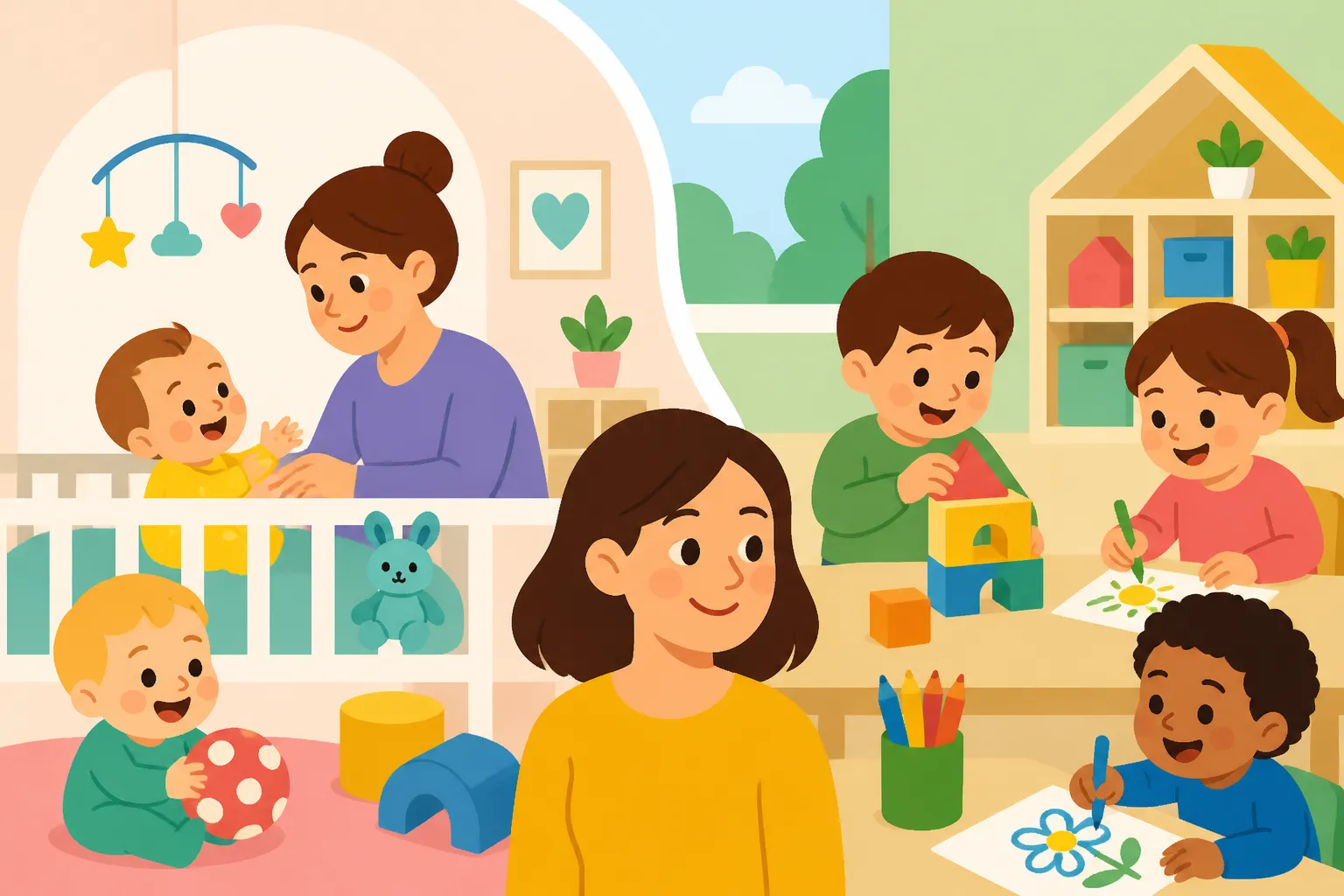
Vuggestue, often translated as crèche or nursery, is specifically for the youngest children, typically from around 6 months (when most Danish parents return to work after parental leave) up to about 2.5 or 3 years old. It’s designed to provide a safe, nurturing, and stimulating environment for babies and toddlers, ensuring they receive consistent care and opportunities for early development while their parents are at work. For many expat parents, securing a vuggestue spot is one of the very first major administrative tasks they face after their child is born or after moving to Denmark.
Daily Life and Pedagogical Focus
A typical day in a vuggestue is structured yet flexible, focusing on routines that provide comfort and predictability for the little ones. It usually involves a mix of free play, guided activities, meal times, and dedicated nap times. The pedagogical focus is heavily on basic social skills, emotional regulation, motor skill development, and early language stimulation. For instance, you’ll see staff actively engaging children in conversation during diaper changes or meal times, singing songs, reading books, and encouraging them to interact with peers. Outdoor play is non-negotiable, regardless of the weather, with children often bundled up in snowsuits in winter or rain gear on damp days. This constant exposure to nature is a cornerstone of Danish childhood.
The staff-to-child ratio in vuggestue is generally quite favorable, ensuring that each child receives individual attention. The educators are trained pedagogues who understand child development and are skilled in creating an environment that supports each child's unique pace. It's not just about supervision; it's about active guidance and engagement. They’re there to support everything from first steps and potty training to navigating their first social conflicts over a toy. This holistic approach ensures that children are not just cared for but are actively learning and growing in a supportive community setting.
The All-Important Nap Time Outdoors
One of the most distinctive features of Danish vuggestue life, and something that often surprises foreigners, is outdoor napping. Yes, even in winter, many Danish babies and toddlers nap outdoors in their prams. This practice is deeply embedded in Danish culture, believed to promote better sleep, stronger immune systems, and fresh air exposure. Children are dressed warmly, often in special sleep bags or wool, and monitored regularly by staff. Prams are typically lined up outside under a covered area, and the children drift off to sleep to the sounds of nature.
While it might seem unconventional to newcomers, this is a standard and well-loved practice here. Institutions will provide guidelines on appropriate clothing and might have specific rules if temperatures drop below a certain point (e.g., -10°C). If you're coming from a culture where indoor napping is the norm, this might require a bit of mental adjustment, but most parents quickly come to appreciate the benefits. It's a testament to the Danish belief in the benefits of fresh air and outdoor living from the earliest age, and it’s something you’ll see in virtually every vuggestue across the country.
Exploring Børnehave Kindergarten: For the Growing Minds 3-6 Years
Once children turn three, or sometimes a little earlier around 2.5, they transition from vuggestue to børnehave (kindergarten). This change marks a significant step in their development, moving into a setting with a slightly different structure and pedagogical focus, though still firmly rooted in play and social learning. Børnehave is designed for preschoolers, preparing them not just for school but for life as independent, empathetic individuals.
Structure, Activities, and Social Development
Børnehave environments typically cater to larger groups of children than vuggestue, often with more diverse age ranges playing together, which helps foster a sense of community and allows older children to mentor younger ones. The day is still dominated by free play, but there's a greater emphasis on project-based learning, creative activities like painting and crafting, storytelling, and more structured group games. Outdoor play remains paramount, with børnehave playgrounds often being more adventurous, featuring climbing structures, mud kitchens, and areas for imaginative play. Many børnehaver also have dedicated "forest days" or "nature weeks" where children spend an entire day, or even several days, exploring local forests or beaches, learning about nature firsthand.
The social aspect becomes even more critical in børnehave. Children are encouraged to develop their conflict resolution skills, cooperate in group activities, and build friendships. Pedagogues facilitate these interactions, intervening when necessary but always aiming to empower the children to find solutions themselves. For expat children, this is also where many will begin to significantly strengthen their Danish language skills, picking up phrases and vocabulary from their peers and teachers in a natural, immersive way. It's a vibrant, dynamic environment where children are constantly engaging with each other and their surroundings, laying a strong foundation for their future academic and social lives.
The Role of Nature and Outdoor Pedagogy
Danish børnehaver take their outdoor pedagogy seriously. It's not just an add-on; it’s an integral part of the curriculum. Children are expected to be outside daily, regardless of the weather, for extended periods. This involves dressing appropriately for all seasons, and parents quickly learn the importance of good quality rain gear, wool base layers, and waterproof boots! This constant interaction with nature is believed to boost physical health, develop gross motor skills, enhance problem-solving abilities, and foster an appreciation for the environment.
Many institutions have their own forest groups (skovbørnehaver) or dedicated outdoor spaces that rival some national parks in their natural offerings. Activities might include building dens, climbing trees, searching for insects, or learning about seasonal changes. This hands-on, experiential learning is a hallmark of Danish early childhood education, and it provides a wonderful antidote to screen time, encouraging creativity and resilience. It's a philosophy that believes there's no such thing as bad weather, only bad clothing. For more on navigating family life, check out our guide on Moving to Denmark with Family: Schools, Childcare, and Logistics.
The Application Process: Getting Your Child a Spot
Ah, the application process! This is where many expat parents throw their hands up in frustration. It's not always straightforward, and waiting lists are a very real part of the Danish childcare landscape. Remember, your municipality is key. You can only apply for a spot in the municipality where you officially reside. This means that if you're still in the process of getting your CPR number and your address is not yet registered, you won't be able to apply.
Municipal Portals and Waiting Lists
The first step is always to contact your local municipality's citizen service center (Borgerservice) or, more commonly, visit their website. Most municipalities have a dedicated online portal for childcare applications, often accessed through Borger.dk and requiring your MitID for login. Here, you'll typically select your preferred institutions, indicate your child's desired start date, and provide other relevant information. Be aware that most municipalities operate with waiting lists (ventelister), and securing a spot exactly when you want it can be a challenge, especially in popular areas or for specific age groups.
It's crucial to apply as early as possible – ideally, as soon as your child has their CPR number, or even during pregnancy for some municipalities that allow it. Prioritize your choices, but also be realistic and open to alternatives. Some municipalities have a "guarantee" of a spot within a certain timeframe (e.g., 3 months) after your application, but this doesn't guarantee your top choice. Don't be shy about calling the local administration department responsible for childcare (often called "Pladsanvisning") to ask questions or follow up on your application. Having reliable mobile data, perhaps with an eSIM from Airalo, can be a lifesaver for these calls and navigating online portals on the go.
Priority Rules and Deadlines
Municipalities often have various priority rules that can affect your child's position on the waiting list. Common priority factors include:
- Sibling priority: If your child already has an older sibling attending the same institution, they often get preferential treatment.
- Age: Sometimes younger children (for vuggestue) or older children (for børnehave) who are about to transition to school might get priority to ensure they have a spot.
- Special needs: Children with documented special needs often receive priority to ensure they get the necessary support.
- Moving within the municipality: If you move from one part of the municipality to another, your child might retain some priority for a new spot.
It's vital to familiarize yourself with your specific municipality's rules, as they can significantly impact your waiting time. Deadlines for applications and changes can also be strict, so mark your calendar once you've submitted your initial application. Don't assume anything; always double-check the local rules on your municipality's website or by contacting their childcare administration office. Official communications about your application or an offered spot will typically arrive in your digital postbox, either e-Boks or Mit.dk, so make sure you're regularly checking those platforms.
Costs, Subsidies, and Financial Considerations
While Danish childcare is of high quality, it's certainly not free. However, it is heavily subsidized by the municipality, making it significantly more affordable than comparable private options in many other countries. Understanding the fee structure and the various subsidies available is key to budgeting for your family's life in Denmark.
Standard Fees and Sibling Discounts
The cost of childcare varies by municipality and by the type of institution (vuggestue versus børnehave). Generally, vuggestue is more expensive than børnehave due to the lower child-to-staff ratio and the higher level of care required for infants and toddlers. The fees are set annually by the municipality and are usually paid monthly. As an example, in 2024, a full-time vuggestue spot in Copenhagen might cost around DKK 4,000-4,500 per month, while a børnehave spot could be closer to DKK 2,800-3,200 per month, before any subsidies. These figures are subject to change and vary widely, so always check your local municipality's current rates.
A major financial relief for families with multiple children in daycare is the sibling discount (søskenderabat). If you have more than one child enrolled in municipal childcare, you will typically pay the full price for the most expensive spot (usually the oldest child in vuggestue or børnehave), but only 50% for subsequent children. Some municipalities even offer a 100% discount for the third or more children. This can significantly reduce the overall cost for larger families, making the excellent childcare system even more accessible. For a deep dive into these specifics, our article on Costs of Børnehave: Sibling Discounts and Municipal Subsidies provides more detailed information.
Income-Based Subsidies and Free Spots
Beyond the sibling discount, Denmark offers income-based subsidies (fripladsordning) to ensure that childcare is affordable for all families, regardless of their income level. If your household income falls below a certain threshold, you might be eligible for a partial or even full subsidy, meaning you pay less or nothing at all for your child's spot. The eligibility criteria and the level of subsidy are determined by your municipality based on your declared household income and the number of children in your care.
You typically apply for this subsidy directly through your municipality's online portal or by contacting them. It's often linked to your NemKonto and MitID: The Core of Danish Digital Finance (2027) because your income data is automatically shared with the authorities via SKAT (the Danish tax agency). Don't assume you won't qualify; many expat families are pleasantly surprised to find they are eligible for at least a partial subsidy, making the financial burden much lighter. It's definitely worth exploring if you believe your income might be within the qualifying range.
Here's a simplified comparison of Vuggestue and Børnehave:
| Feature | Vuggestue (Crèche) | Børnehave (Kindergarten) |
|---|---|---|
| Age Group | ~0.5 – 2.5/3 years | ~2.5/3 – 5/6 years |
| Focus | Basic care, early development, social skills, motor skills, emotional regulation, language acquisition | Social interaction, creative play, project-based learning, independence, preparing for school |
| Typical Day | Structured routines (play, meals, naps, outdoor time) | More free play, group activities, outdoor exploration, stories |
| Nap Time | Common for children to nap outdoors in prams | Less common, older children typically don't nap |
| Staff Ratio | Higher staff-to-child ratio | Lower staff-to-child ratio |
| Cost (approx.) | Higher monthly fees (e.g., DKK 4,000-4,500) | Lower monthly fees (e.g., DKK 2,800-3,200) |
| Outdoor Play | Daily, often multiple times a day | Daily, often extended periods, sometimes "forest days" |
| Transition | Children transition to børnehave around 2.5-3 years | Children transition to skole (school) at 6 years |
Note: Costs are approximate and highly dependent on municipality and subsidies.
Integrating and Adapting: Tips for Expat Families
Once your child has a spot, the next phase is integration. This can be an emotional journey for both children and parents, especially if you're new to the Danish system or if your child is coming from a different cultural context. However, with a little preparation and an open mind, both you and your child can thrive.
Communication with Pedagogues and Staff
Open communication with the pedagogues and staff is paramount. While many Danish pedagogues speak excellent English, don't automatically assume they will, especially in smaller towns. Learning a few basic Danish phrases for everyday interactions can go a long way in showing your engagement. However, most institutions are well-versed in welcoming expat families and will make an effort to communicate effectively. Don't hesitate to ask questions about your child's day, their development, or any concerns you might have. Regular "parent-teacher" meetings are common, often called udviklingssamtaler (development conversations), where you can discuss your child's progress.
Many institutions use digital communication platforms or apps to share daily updates, photos, and important announcements. Make sure you're signed up for these and check them regularly. If you have any significant concerns or feel there's a language barrier impacting your ability to understand important information, don't be afraid to ask if the municipality can provide a translator. You have a right to an interpreter if it's essential for your child's well-being or your understanding of official information within the public sector.
Participating in Parent Boards and Events
Danish daginstitutioner often have strong parent communities and parent boards (forældrebestyrelser). These boards play an important role in the daily life and strategic direction of the institution, often having input on budget, pedagogical principles, and major decisions. As an expat, joining such a board or simply participating in parent events (like forældrekaffe or annual summer parties) is a fantastic way to integrate, meet other parents, and gain a deeper understanding of Danish culture. It might feel intimidating at first, but Danes generally appreciate active participation.
These events are not just social gatherings; they are opportunities to network, share experiences, and feel more connected to your local community. You'll quickly learn about local customs, receive tips from seasoned Danish parents, and perhaps even make some lasting friendships. Being actively involved also shows your children that their new environment is valued and supported by their family, which can aid their own integration process. It's all part of the broader concept of Social Integration: Making Friends and Understanding Danish Etiquette.
The Language Journey: Danish for Your Child
For many expat children, vuggestue and børnehave become their primary environment for learning Danish. Children are incredibly adaptable, and you'll likely be amazed at how quickly they pick up the language through immersion. The pedagogues are trained to support children with diverse linguistic backgrounds, often using visual aids, repetition, and a lot of patience. They understand that it's a process, and they celebrate every small victory.
While your child is learning Danish at daycare, it's equally important to maintain and develop their mother tongue at home. Bilingualism is a huge asset, and the Danish system generally supports it. Don't worry if your child initially mixes languages; this is a normal part of the bilingual development process. Celebrate both languages and embrace this unique linguistic journey your child is embarking on. For parents, consider exploring local Danish language courses to better understand the nuances and be able to communicate more effectively with the childcare staff.
Disclaimer
The information provided in this guide is for general informational purposes only and does not constitute legal or financial advice. While we strive to keep the information up-to-date and accurate, policies and regulations in Denmark, particularly concerning childcare, costs, and subsidies, can change frequently and vary by municipality. Always consult official municipal websites or contact the relevant authorities (e.g., your local kommune or Pladsanvisning) for the most current and specific information pertaining to your personal situation.