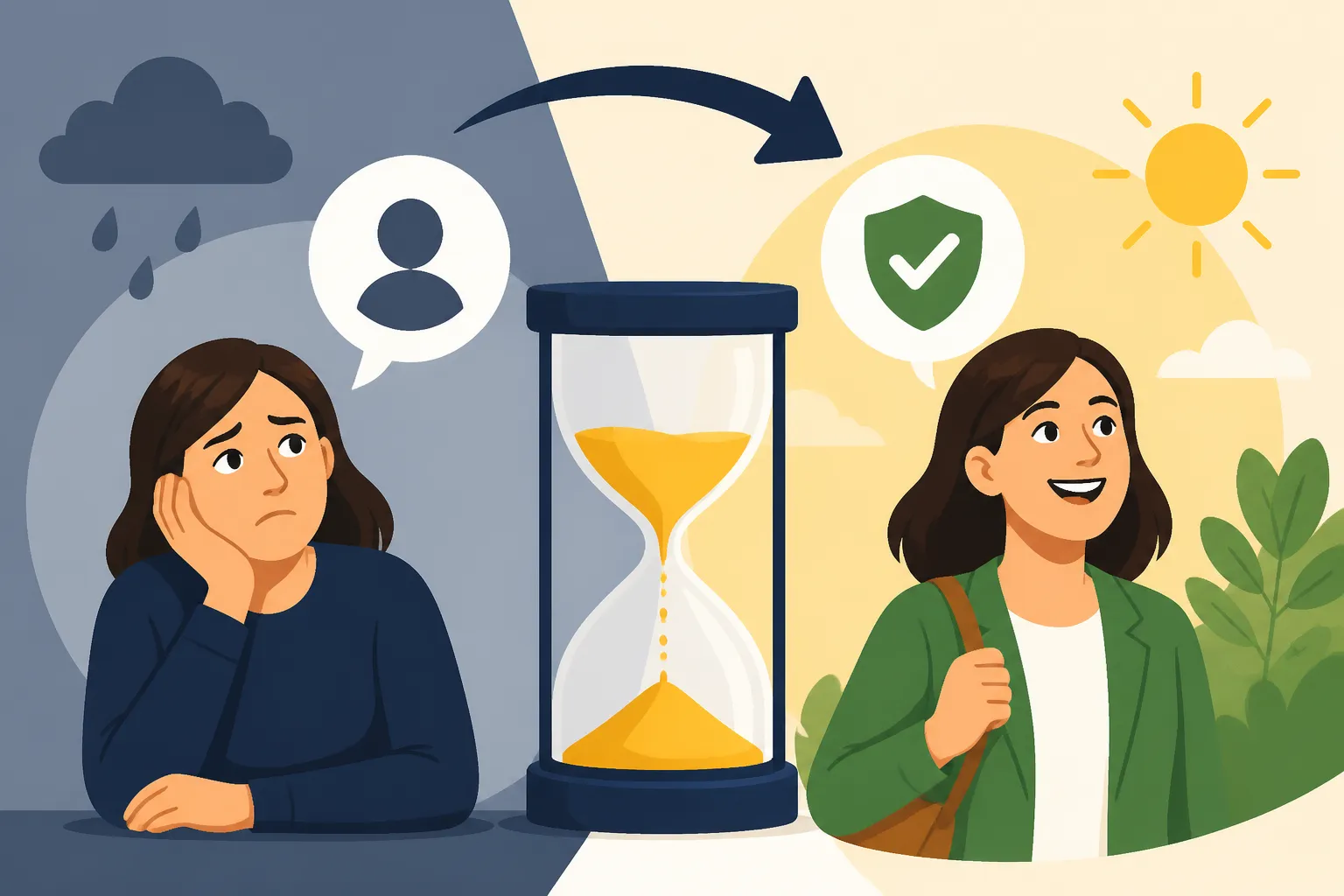
The ‘Karensperiode’ (Waiting Period) for A-Kasse Benefits Explained
Losing a job or wrapping up your university degree in Denmark comes with enough stress on its own, but nothing quite matches the confusion of filing your paperwork with an unemployment insurance fund only to be told you must undergo a karensperiode. Facing weeks or months without expected payout checks creates immediate financial anxiety for international residents. This guide breaks down exactly how the Danish a-kasse waiting period operates, what triggers it, and how to protect your income and legal standing while navigating it.
What Is the Karensperiode in the Danish A-Kasse System?
When you navigate the Danish labor market, you quickly realize that social security and job seeking are deeply tied to membership in an unemployment insurance fund, known locally as an a-kasse. If you want to understand how the foundational framework functions, taking a deep dive into Understanding the A-Kasse (Unemployment Insurance Fund) System will give you the baseline knowledge required to navigate these institutional channels.
However, even when you have paid your monthly membership fees religiously, you do not always receive financial payouts from day one of unemployment. This gap is known as the karensperiode—a mandatory waiting period or self-deductible phase during which your right to receive payouts is temporarily paused or reduced.
The Core Concept of Waiting Periods in Unemployment Insurance
The word karens comes from the Latin careos, meaning to be without or to lack. In the context of Danish unemployment benefits (dagpenge), a karensperiode acts much like an insurance deductible. The state and your a-kasse require job seekers to absorb a specific portion of the financial burden of unemployment under defined circumstances.
It is important not to confuse a karensperiode with a total rejection of your benefit application. Your underlying eligibility for dagpenge remains intact; you have simply hit a temporary administrative hold. During this interval, you are still formally registered as a job seeker at Jobnet and are expected to fulfill all procedural commitments.
How the Karensperiode Impacts Your Monthly Dagpenge Payouts
The practical effect of a waiting period depends on which specific karens rule applies to your case. In some instances, it manifests as a complete freeze on payments for several consecutive weeks right at the start of your joblessness. In other instances, it takes the form of a minor deduction—equivalent to one day’s worth of benefits—taken out of your payout every few months if you have not worked a minimum threshold of hours.
When your payouts are adjusted, your monthly budget takes an immediate hit. To properly budget for these fluctuations, reviewing Dagpenge (Unemployment Benefits): How Much Do You Get from A-Kasse? will help you calculate your baseline allowance so you know precisely how much money is being withheld during a waiting window.
Common Triggers: Self-Resignation vs. Layoffs vs. Graduation
A karensperiode is not imposed randomly; it is triggered by specific life events and employment transitions. The three primary catalysts include:
- Self-Resignation (Selvforskyldt ledighed): Leaving a job voluntarily without what the law considers a valid, legally recognized reason.
- Graduation (Dimittend status): Finishing an accredited higher education program in Denmark and transitioning into the workforce as a fresh graduate.
- Lack of Recent Work Hours: Remaining on public benefits for an extended timeframe without recording temporary or part-time employment hours.
Understanding which category you fall into determines how long you must wait before your regular cash flow resumes.
Different Types of Karensperiode You Might Face
Because the system treats different types of unemployment scenarios uniquely, the length and severity of your waiting period vary significantly.
| Karensperiode Type | Trigger Event | Standard Duration / Impact |
|---|---|---|
| Self-Induced Quarantine | Resigning without valid cause | 3 weeks (111 benefit hours withheld) |
| Graduate Waiting Period | University graduation | 1 month from graduation date |
| Recurring Karen (Deductible Day) | Every 8-week period on dagpenge | 1 day withheld per period if < hours |
The 3-Week Self-Imposed Unemployment Quarantine
If you hand in your notice because you are unhappy with your company culture, tired of your commute, or hoping to pivot careers without having another contract lined up, the Danish state views your joblessness as self-induced (selvforskyldt ledighed).
As a result, your a-kasse must legally impose a quarantine period. This quarantine lasts for 3 weeks, which translates to 111 hours of unpaid benefit time. During these 3 calendar weeks, you receive zero kroner in dagpenge, even though you must register at the local Jobcenter on your very first day of unemployment and actively apply for roles.
There are narrow exceptions where resigning does not trigger this quarantine. These “valid reasons” (gyldige grunde) include health issues documented by a doctor’s medical note, extreme workplace harassment, or moving to another region because your spouse accepted a job that makes daily commuting impossible. If you are terminated by your employer, you generally avoid this 3-week quarantine entirely, provided you did not deliberately provoke your own firing through severe misconduct. Before making any decisions to leave a role, carefully check Notice Periods for Resignation and Dismissal (Funktionærloven) to ensure your employment termination aligns with statutory protections.
The Graduate Waiting Period
International students completing their degrees in Denmark often rely on the graduate rate (dimittendsats) to give them a financial runway while hunting for their first professional position. However, the system enforces a built-in delay for university alumni.
When you transition from student status to job seeker, a mandatory 1-month graduate waiting period applies. Your right to claim benefits begins exactly one month after your final exam or thesis defense date, provided you applied for graduate membership in your a-kasse within the strict 14-day post-graduation deadline. For a comprehensive breakdown of these rules, read Waiting Period for Dagpenge: Why New Graduates Have a 1-Month Delay.
During this single unpaid month, you are expected to live on personal savings or income from part-time student work.
The Recurring Karen Deduction for Long-Term Jobseekers
Even after you clear your initial quarantine or graduate delay and begin receiving regular monthly payments, you may encounter the recurring karens rule.
To encourage ongoing connection to the labor market, the state evaluates your working hours every 8 weeks (roughly every two months). If you have not registered at least 20 hours of paid work through a employer during that 8-week window, the a-kasse will deduct one full day of benefits from your next payment cycle. If you manage to work at least 20 hours within those two months, the deduction is waived, and you receive your full monthly allowance.
Practical Strategies to Survive and Navigate the Waiting Period
Going several weeks or a full month without an income stream in an expensive country requires proactive planning. Rather than letting panic take over, treat the waiting period as an administrative and personal project.
Financial Planning and Managing Expenses During the Income Gap
The moment you realize a karensperiode is approaching, freeze unnecessary subscriptions, pause dining out, and inspect your bank accounts. Because security deposits and rent in Danish cities take up a massive chunk of monthly cash flow, having liquid funds set aside to cover housing costs during your unpaid window is vital.
If you have foreign income streams, remote freelance gigs, or back home investments that you rely on while bridging financial gaps, make sure you handle your international tax reporting properly. Working with specialists like Taxes for Expats can help you keep your cross-border tax status clear, ensuring that any temporary funds brought in from abroad do not trigger unexpected tax penalties with the Danish authorities.
Using Free Time Productively: Upskilling, Language, and Tax Alignment
An unpaid waiting period still leaves you with time that can be invested strategically. One of the best ways to improve your long-term employment prospects in Denmark is by building your local language capabilities. While you can look into formal public courses via Free Danish Classes for Expats: Eligibility and the 5-Year Window, you can also supplement your learning with personalized online tutoring platforms like iTalki to practice conversational Danish tailored to job interviews in your specific field. Taking time during your waiting period to build confidence through 1-on-1 language lessons on iTalki gives you a distinct advantage when networking with local hiring managers.
Simultaneously, adjust your expected annual earnings with the tax authorities. By updating your preliminary tax return, which you can read about in Preliminary Tax Assessment (Forskudsopgørelse): Avoiding Tax Debt, you can instantly lower your monthly tax withholding rates to match your temporary reduction in income, freeing up vital cash.
Administrative Obligations at the Jobcenter During Your Karensperiode
A common and costly mistake made by expats is assuming that because they are not being paid during their karensperiode, they do not need to follow job center rules.
This assumption can severely damage your standing. To retain your ultimate right to benefits once the waiting period ends, you must strictly comply with all statutory obligations from day one:
- Register as unemployed on Jobnet.dk on your very first day without work.
- Create an approved CV on Jobnet within the required statutory timeframe (usually within 2 weeks).
- Attend all mandatory meetings hosted by your a-kasse and your municipal Jobcenter.
- Log your required weekly job applications in your online job log.
If you skip a meeting or fail to maintain your job log during your unpaid quarantine, your a-kasse can freeze your benefit eligibility even further or impose additional penalty hours. Learn what to expect during these official appointments by reading Job Centers in Denmark: Mandatory Meetings When Receiving Dagpenge.
Expat-Specific Considerations: Visas, Taxes, and Legal Rights
While the karensperiode is an administrative inconvenience for Danish citizens, it carries unique risks and legal considerations for foreign nationals living in Denmark.
Work Visas and the Danger of Drawing Unemployment Benefits
If you reside in Denmark on a work permit tied to a specific salary threshold, such as the Pay Limit Scheme or the Positive List, claiming public unemployment benefits or falling into prolonged joblessness can directly impact your legal residence status.
Before registering with an a-kasse or relying on state-supported funds during a gap between jobs, check your visa terms carefully. Reviewing Can Non-EU Citizens Receive Dagpenge Without Losing Their Visa? is essential for non-EU expats who need to ensure that accessing benefits will not trigger a visa revocation or undermine future permanent residency applications.
For EU/EEA citizens exercising free movement rights, drawing dagpenge is generally permissible provided you meet the standard a-kasse work history requirements and maintain your active job seeker status.
Managing Taxes and Cross-Border Obligations
Unemployment payouts in Denmark are taxable as standard income (A-indkomst). When transitioning from a high-earning corporate role to a lower dagpenge rate—or experiencing a zero-income month due to a karensperiode—your tax bracket and deductions shift dramatically.
If you have complicated tax arrangements involving foreign property, overseas stock options, or dual-citizenship obligations (such as US citizens filing abroad), keeping your tax returns balanced becomes complex during career transitions. Services like Taxes for Expats specialize in helping international workers maintain compliance across multiple tax jurisdictions when facing fluctuating income levels in Denmark.
By remaining proactive, keeping your job center commitments up to date, and managing your temporary budget tightly, you can bridge the karensperiode smoothly and transition into your next career step in Denmark with confidence.
Disclaimer
This article is for general informational purposes only and does not constitute professional advice. Laws, prices and regulations vary by location and change over time. Consult a qualified professional for guidance on your specific situation.