Mortgages for Foreigners: Do You Need Permanent Residency to Buy a House?
The dream of owning a home in Denmark often feels like it is locked behind a door marked Permanent Residency. Many expats spend years paying exorbitant rent in Copenhagen or Aarhus, assuming they are legally barred from the property market until they secure a PR or citizenship. This guide breaks down the complex legal reality, proving that while residency status matters, it is not the ultimate deal-breaker you might fear.
The Myth of Permanent Residency: Can You Buy Without It?
One of the most persistent rumors in the expat community is that you must have a permanent residence permit to buy a house or apartment in Denmark. I remember sitting in a smoky cafe in Nørrebro years ago, listening to a fellow expat lament that they were forced to rent for eight years because they hadn't hit the residency milestone yet. The truth is far more nuanced. Legally, the Danish Ministry of Justice stipulates that if you have lived in Denmark for at least five years, you do not need special permission to buy property. However, if you have been here for less than five years, you simply need to apply for a permit from the Civilstyrelsen (Civil Affairs Agency).
This application is not a mountain of impossible bureaucracy; it is a check to ensure you intend to live in the property as your primary residence. For those on The Pay Limit Scheme: Meeting the 2026 Salary Requirements or other professional work visas, the approval rate is incredibly high. The Danish government isn't trying to stop people who contribute to the economy from buying homes; they are trying to prevent wealthy foreign investors from snapping up holiday homes on the coast and driving up prices for locals.
If you are an EU citizen, the path is even smoother. You generally don't need this permission at all, provided the property is your primary year-round residence. For non-EU citizens, the "five-year rule" is the magic number where the paperwork disappears, but the "under five years" path is merely a speed bump, not a brick wall. The real challenge, as many of us have learned the hard way, isn't usually the law—it is the banks. Banks are private institutions, and they are allowed to set their own risk profiles. To a Danish bank, a foreigner without permanent residency looks like a flight risk. If you lose your job and decide to leave the country, the bank is left with a mortgage they have to manage across borders. This is why you will often hear "nej" from the first three banks you visit, but persistence is key.
The 5% vs. 20% Deposit Debate: What Banks Really Want
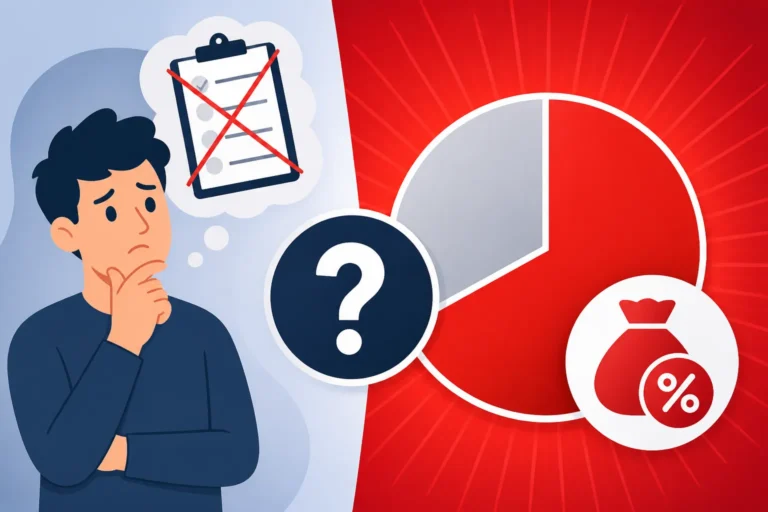
In a standard Danish mortgage scenario, a local buyer is often expected to put down a 5% cash deposit. The rest is covered by an 80% mortgage from a realkreditinstitut (mortgage credit institution) and a 15% bank loan. For foreigners, however, this 5% "rule" is often a fantasy. Because of the perceived risk mentioned earlier, many banks will demand a 10%, 15%, or even a 20% down payment from non-permanent residents.
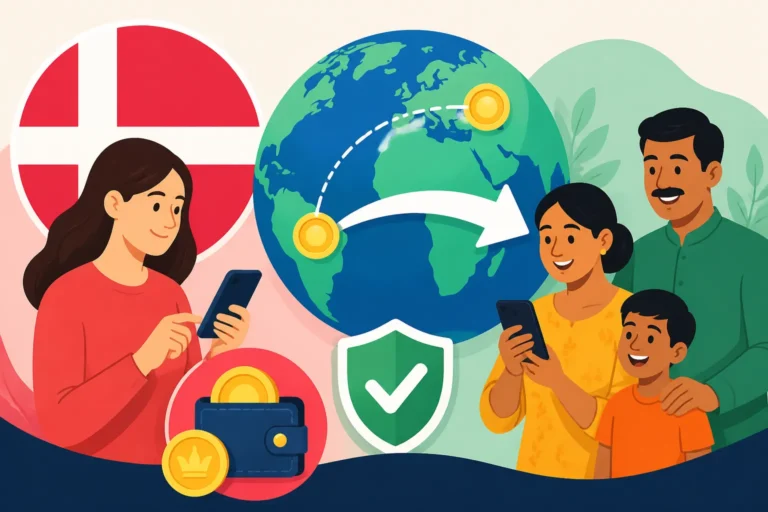
Many newcomers get their hearts broken after finding the perfect apartment, only to be told they need an extra 400,000 DKK in cash because their visa expires in two years. This is where your financial preparation becomes critical. When you are transferring large sums of money from your home country to cover these higher deposit requirements, using a service like Wise can save you a significant amount on exchange rates and hidden bank fees compared to traditional wire transfers. Having your funds ready and documented is a huge part of proving to a Danish bank advisor that you are a serious, low-risk client.
The bank will also look closely at your "rådighedsbeløb" (disposable income). This is the amount of money you have left after all fixed expenses and the potential mortgage payment are subtracted from your take-home pay. Each bank has a different threshold, but for a couple, they often want to see at least 15,000 to 18,000 DKK left over every month. If you are struggling to meet these requirements, it might be worth consulting with Taxes for Expats to ensure you are maximizing your tax deductions and accurately reporting any foreign income, which can bolster your financial profile in the eyes of a Danish lender. Knowing exactly how much you can borrow before you start looking is essential, so always ask for a "køberbevis" (buyer’s certificate) from your bank first.
Understanding the Danish Mortgage Model (Realkredit)
Once you get past the deposit hurdle, you enter the world of "realkredit," which is one of the most unique and efficient mortgage systems in the world. In Denmark, mortgage banks don't just lend you money from their own vaults; they issue bonds on the stock market to fund your loan. This transparency usually results in very low interest rates for the borrower.
When choosing your loan, you will face the classic choice: Variable vs. Fixed Rate Mortgages (Fastrente) in the Danish Market. A fixed-rate loan gives you the security of knowing exactly what you will pay for the next 30 years, which is great for peace of mind. On the other hand, variable-rate loans (like F-kort or F3/F5) often offer lower initial payments but come with the risk that your monthly cost could spike if interest rates rise. For many expats who only plan to stay in Denmark for 5 to 10 years, a variable rate might seem attractive, but you must consider your "exit strategy" if the market shifts.
The complexity of these loans is why Realkreditinstitut vs. Bank: Understanding the Danish Mortgage Model is such a vital topic to study before signing anything. You aren't just taking out one loan; you are often balancing a realkredit loan for the bulk of the property value and a secondary bank loan for the portion not covered by your deposit. The realkredit portion is almost always the cheapest debt you will ever have, so the goal is always to maximize that and minimize the bank loan.
Navigating the Administrative Hurdles: CPR, MitID, and SKAT
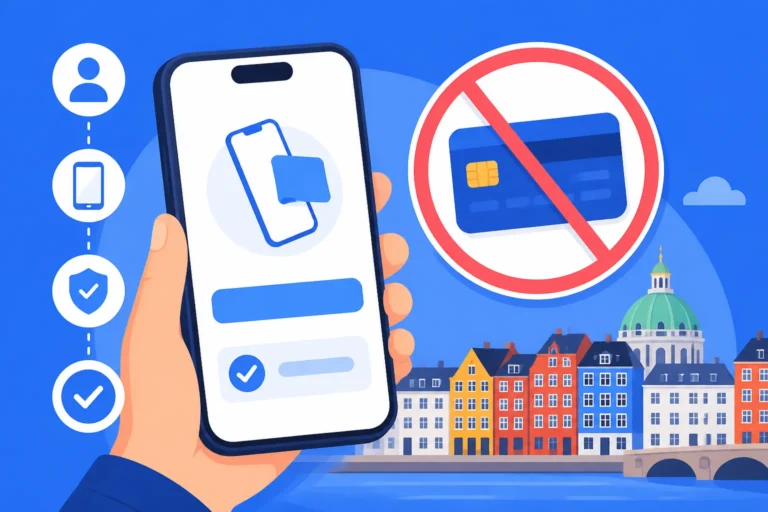
You cannot buy property in Denmark as a ghost. The entire system is built on the foundation of your CPR number and your digital identity. When you start the process, your bank will request years of pay slips, tax returns, and an overview of your current assets. This is where NemKonto and MitID: The Core of Danish Digital Finance (2027) becomes your most important tool. All communication with the bank, the real estate agent, and the land registry (Tinglysning) will happen via these digital portals.
Your tax status also plays a massive role in your borrowing power. In Denmark, interest payments on your mortgage are tax-deductible. This "rentefradrag" effectively lowers your monthly cost, but you need to make sure your preliminary tax assessment is updated to reflect this. This is another area where professional advice from Taxes for Expats can be invaluable, especially if you have complex tax situations involving property or investments back in your home country. SKAT needs to know about your mortgage so they can adjust your monthly tax brackets, giving you more take-home pay to cover the loan.
Furthermore, you need to be aware of the "bopælspligt" (residency requirement). Most houses and apartments in Danish cities have this requirement, meaning you are legally obligated to live in the property. You cannot buy a flat in central Copenhagen and leave it empty or use it solely as a short-term rental without facing significant legal trouble from the municipality. To help you understand how this integrates with your daily life, it is useful to review Understanding SKAT: Forskudsopgørelse vs. Årsopgørelse Explained so you don't end up with a massive tax bill at the end of the year because you miscalculated your housing deductions.
| Requirement | Temporary Residency (Under 5 Years) | Permanent Residency / 5+ Years |
|---|---|---|
| Ministry of Justice Permit | Required (Civilstyrelsen) | Not Required |
| Typical Cash Deposit | 10% – 20% | 5% – 10% |
| Bank Approval Difficulty | Moderate to High | Low |
| Access to Realkredit Loans | Yes | Yes |
| Mandatory Bopælspligt | Yes (Primary Residence) | Yes (In most cases) |
Step-by-Step Guide to the Buying Process
The actual process of buying a home in Denmark moves incredibly fast once you find a place you like. It is not uncommon for a property to be listed on a Sunday and sold by Wednesday. Because of this, you need to have your "køberbevis" and your deposit funds ready. If your deposit is coming from abroad, using Wise to move the money into your Danish account ahead of time can prevent delays that might cause you to lose out to a faster buyer.
First, you will find a property on sites like Boliga or Nybolig. When you are ready to make an offer, you don't just shake hands; you sign a "købsaftale" (purchase agreement). This document is usually drafted by the seller's agent, which means it is designed to protect the seller, not you. This is why every expat should have a "køberrådgiver" (buyer's advisor) or a lawyer to review the contract before it becomes binding. You must ensure there is a "bankforbehold" (bank reservation) and an "advokatforbehold" (lawyer reservation) clause. This gives you a few days to back out if your bank suddenly changes its mind or your lawyer finds something fishy in the property's documents.
You also need to factor in the "hidden" costs of the transaction. Beyond the purchase price, you will be responsible for Stamp Duty and Registration Fees: Hidden Costs of Buying a Danish Home. There is also the "ejerskifteforsikring" (change of ownership insurance), which protects you against hidden defects in the house that weren't mentioned in the "tilstandsrapport" (condition report). Negotiating who pays for what part of this insurance is a standard part of the process. If you are wondering about your wiggle room on the price, check out Can You Negotiate House Prices When Buying Real Estate in Denmark? to understand the current market etiquette.
Finally, remember that the bank will require you to have home insurance (husforsikring) and specifically fire insurance before they will release the funds. Once everything is signed and the "skøde" (deed) is digitally signed via MitID and registered with the state, you are officially a homeowner. It is a daunting process, but walking into your own apartment and knowing that your monthly payments are finally building equity instead of padding a landlord's pockets makes every bit of the bureaucracy worth it.
Disclaimer
The information provided in this guide is for informational purposes only and does not constitute legal, financial, or tax advice. Mortgage rules, interest rates, and immigration laws in Denmark are subject to frequent changes. Always consult with a qualified Danish lawyer, a certified financial advisor, or a tax professional before making significant financial decisions or signing a property contract. Real estate transactions involve substantial risk, and individual circumstances regarding visa status and creditworthiness will vary.