MobilePay and Cashless Denmark: Surviving Without Physical Cash
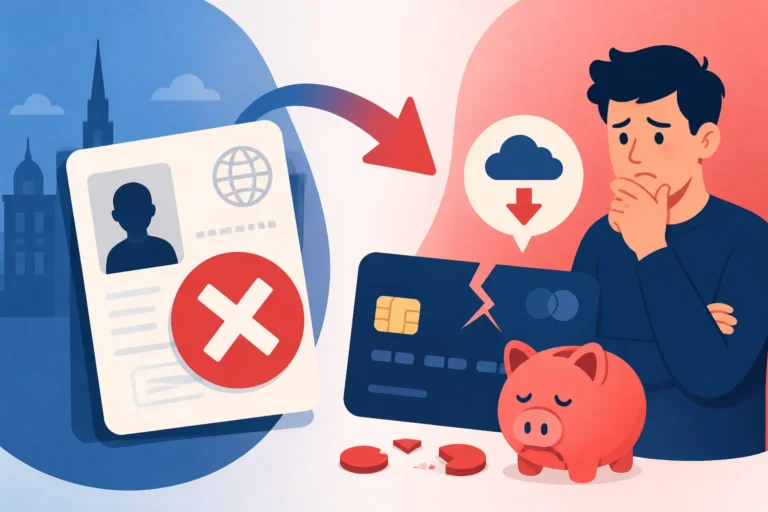
Moving to Denmark often feels like stepping into the future, especially when it comes to daily transactions. The immediate problem most newcomers face is the stark reality that physical cash is practically an antique here. You'll quickly discover that relying on banknotes and coins can leave you stranded, unable to pay for your morning coffee or split a bill with new friends. This comprehensive guide is designed to navigate the highly cashless landscape of Denmark, ensuring you're fully equipped to handle your finances digitally from day one.
The Danish Obsession with Going Cashless: Why It's More Than Just a Trend
Denmark has been on an accelerated path towards a cashless society for well over a decade, driven by a blend of technological adoption, governmental encouragement, and a strong cultural preference for efficiency. For new expats, this isn't just a minor adjustment; it's a fundamental shift in how you'll interact with the economy.
A National Embrace of Digital Payments
The push for digital payments didn't happen overnight, nor was it solely a grassroots movement. Danish banks, retailers, and the government have actively promoted electronic transactions. One of the earliest significant steps was the introduction of the Dankort, Denmark's national debit card, which became the ubiquitous payment method for decades. Its widespread acceptance laid the groundwork for further digital evolution. Following this, mobile payment solutions like MobilePay emerged, quickly becoming the dominant force. Businesses, from large supermarkets to tiny independent shops, rapidly adopted these systems, often removing cash registers entirely or limiting their use. It wasn't just about convenience; it was also about security. Handling less cash means less risk of theft and simpler accounting for businesses, factors that resonate strongly within Denmark's organized society.
Today, you'll find that many places, especially in urban centers like Copenhagen and Aarhus, operate on a strictly card-only or MobilePay-only basis. Public transport, parking meters, vending machines, and even many small cafes often don't accept cash at all. This national embrace means that if you're holding a crisp 500 DKK note, you might find yourself surprisingly helpless. It's a testament to how deeply ingrained digital payments have become in the daily rhythm of Danish life, making it essential for expats to quickly adapt.
The Security and Convenience Factors
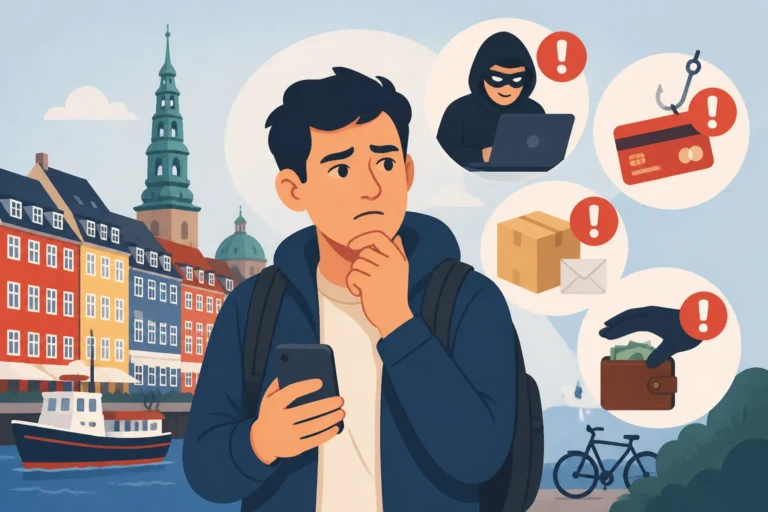
From a consumer perspective, the move to cashless payments offers significant security and convenience benefits. Imagine never having to worry about carrying a wallet full of cash or fretting over loose change. Digital transactions are instant, traceable, and significantly reduce the risk of muggings or pickpocketing. If your phone or card is lost or stolen, it's generally much easier to block and recover funds than it would be with physical cash. Most Danish banks offer robust fraud protection, giving consumers peace of mind.
For businesses, the advantages are equally compelling. Beyond the reduced risk of theft, digital payments streamline operations. Less time is spent counting cash, making bank deposits, or dealing with counterfeit currency. It also provides a clear digital trail for every transaction, simplifying bookkeeping and tax reporting. This transparency is a key reason why the government has supported the shift; it aids in combating undeclared work and tax evasion. While some might lament the loss of anonymity that cash provides, the overwhelming majority of Danes have embraced the efficiency and safety that digital payment systems offer. This collective trust in secure digital infrastructure is a cornerstone of daily life here.
MobilePay: Your Gateway to Danish Digital Life
If Denmark runs on digital payments, then MobilePay is undoubtedly the engine driving much of that interaction. It's more than just an app; it's a cultural phenomenon that permeates nearly every aspect of financial interaction.
What Exactly is MobilePay?
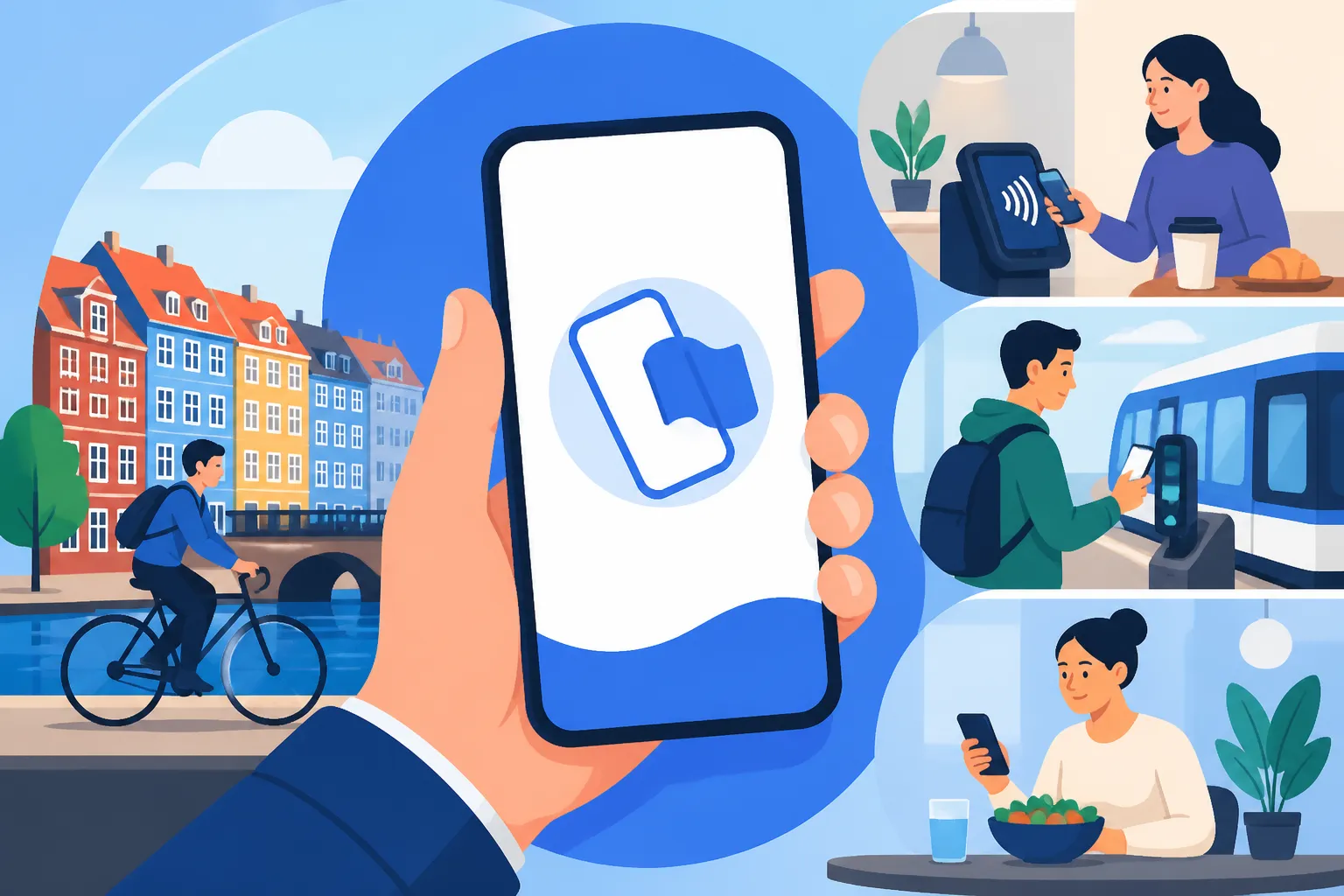
MobilePay is a user-friendly mobile payment application developed by Danske Bank, but crucially, it's open for use by anyone with a Danish bank account and a CPR number, regardless of which bank they use. Think of it as Denmark's equivalent to Venmo or PayPal, but with far greater integration into the retail and service sectors. It allows users to send and receive money instantly between individuals, pay in physical stores, make online purchases, and even donate to charities, all directly from their smartphone. The genius of MobilePay lies in its simplicity. To send money, you just need the recipient's phone number. To pay in a store, you can often simply type in their business ID (a five-digit number), scan a QR code, or even just be near their payment terminal which might automatically pop up the payment request.
Its ubiquity cannot be overstated. From splitting a restaurant bill with friends, buying second-hand items at a flea market, paying a babysitter, contributing to a colleague's birthday gift, or even paying for goods at a tiny roadside farm stand, MobilePay is the go-to solution. Many smaller businesses, especially those run by independent entrepreneurs or seasonal vendors, rely almost exclusively on MobilePay rather than investing in traditional card terminals. This widespread adoption means that without MobilePay, you'll find yourself severely limited in everyday transactions.
Setting Up Your MobilePay: The Essentials
Getting MobilePay set up is one of the very first financial hurdles you'll want to tackle as an expat, right after securing your CPR number and a local bank account. The process itself is straightforward once you have the prerequisites, but it highlights the integrated nature of Danish digital infrastructure.
First and foremost, you'll need a Danish CPR number. This personal identification number is your key to almost everything official in Denmark, including financial services. Without it, you simply cannot open a standard Danish bank account or get MobilePay. Next, you need a Danish bank account. While there are international alternatives like Wise or Revolut for international transfers, these cannot fully replace a local bank account for daily Danish transactions and are not compatible with MobilePay. You’ll find that opening a Danish Bank Account in Denmark: Document Checklist and Delays can be a process, but it's absolutely essential.
Once you have your CPR number and a Danish bank account, the next crucial component is MitID. MitID is Denmark's official electronic ID, replacing the older NemID system, and it's what you'll use to securely identify yourself for banking, government services, and, yes, MobilePay. You can learn more about NemKonto and MitID: The Core of Danish Digital Finance (2027) and how to set it up. During the MobilePay registration process, you’ll be prompted to verify your identity using MitID, linking your Danish bank account and phone number to the app. Make sure your Danish phone number is active and registered to your name, as it's directly tied to your MobilePay profile.
The setup steps typically involve:
- Downloading the MobilePay app from your app store.
- Entering your Danish phone number.
- Verifying your identity using your MitID.
- Selecting the Danish bank account you want to link to MobilePay.
- Choosing a four-digit PIN code for transactions (though increasingly, biometric authentication like Touch ID/Face ID is used).
This initial setup might feel like a bit of a bureaucratic dance, but trust me, once it’s done, your financial life in Denmark will become infinitely smoother.
How to Use MobilePay: Everyday Scenarios
Once your MobilePay is up and running, you'll be amazed at how seamlessly it integrates into daily life. It's designed for convenience, making financial interactions almost effortless.
Paying Friends: This is probably the most common use case. Out to dinner, someone covers the bill, and everyone else "MobilePays" their share. Just open the app, tap "Send," enter their phone number (or select them from your contacts if they're a MobilePay user), type in the amount, and confirm with your PIN or biometric ID. It's instant, and the money lands directly in their bank account. No more awkward IOU's or scrambling for exact change. This is especially handy when splitting restaurant or bar tabs, which happens frequently in Denmark.
Paying in Stores: You'll encounter several ways to pay with MobilePay in retail settings.
- Business ID: Many smaller shops, kiosks, and market stalls will have a "MobilePay Business ID" (a five-digit number) displayed near the register. You simply open your app, tap "Pay," enter the business ID, input the amount, and confirm. The shopkeeper often gets an instant notification of your payment.
- QR Codes: Increasingly common, especially in unattended shops or for services. Scan the QR code displayed, confirm the amount (sometimes it's pre-filled), and approve.
- Terminal Integration: In larger stores or those with modern payment systems, when you choose "MobilePay" at the terminal, your app might automatically prompt you to approve the payment, or you might be asked to enter your phone number into the terminal, which then triggers a request on your phone.
Online Shopping: Many Danish online stores and services offer MobilePay as a payment option. Instead of entering card details, you simply select MobilePay, enter your phone number, and approve the purchase in the app. It's fast, secure, and eliminates the need to repeatedly type in card numbers.
From buying a vintage lamp at a weekend flea market to contributing to a shared gift for a colleague or even purchasing a coffee from a self-service cart, MobilePay streamlines almost every micro-transaction. It's a fundamental tool for surviving and thriving in Denmark's cashless ecosystem.
Beyond MobilePay: Other Digital Payment Methods You'll Encounter
While MobilePay reigns supreme for person-to-person and many small business transactions, it’s not the only digital payment method you’ll use. Denmark has a robust digital infrastructure that supports various other cashless options.
Debit and Credit Cards: Dankort and International Options
The Danish love affair with cards predates MobilePay, with the Dankort being the original cashless champion. The Dankort is Denmark's national debit card, and for decades, it was the way to pay for almost everything. It's directly linked to your Danish bank account and incurs very low, if any, transaction fees for merchants, which is why it's so widely accepted. Many older payment terminals might even prioritize Dankort, and some smaller shops might only accept Dankort or cash (though cash is now rare). If you get a Danish bank account, you will most likely be issued a Dankort, often combined with a Visa function (Visa/Dankort). This hybrid card gives you the best of both worlds: local Dankort acceptance and international Visa capability.
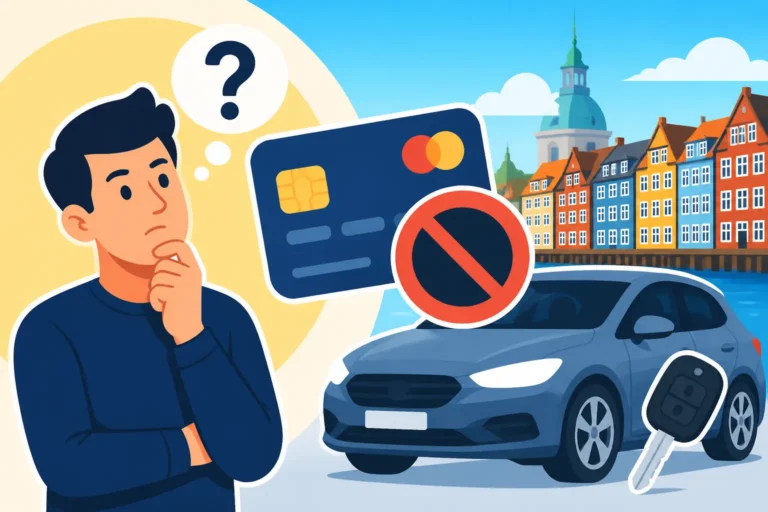
International debit and credit cards (Visa, Mastercard, American Express) are generally accepted in Denmark, particularly in larger stores, restaurants, and tourist-oriented establishments. However, there are nuances to be aware of. Some smaller businesses might have minimum purchase amounts for international cards due to higher processing fees, or they might only accept Dankort for smaller transactions. You might also encounter places that simply don't have terminals equipped for international cards, especially in more rural areas or at very small, independent shops. Always be mindful of potential foreign transaction fees from your home bank if you're relying heavily on non-Danish cards, as these can quickly add up. For this reason, getting The Dankort: Denmark’s National Debit Card and Why You Want One is a sensible step once you're fully settled with a Danish bank account.
Apple Pay, Google Pay, and Contactless Payments
For those who prefer to leave their physical cards in their wallet, Denmark is a haven for mobile wallet users. Apple Pay and Google Pay are widely supported and seamlessly integrated with most Danish debit and credit cards. Once your Danish card is linked to your phone's digital wallet, you can simply tap your phone or smartwatch to any contactless payment terminal to complete a transaction.
The acceptance of contactless payments (NFC – Near Field Communication) is virtually universal across Denmark. Most modern payment terminals, found in supermarkets, larger retail chains, cafes, and restaurants, are equipped for tap-to-pay. This method is fast, secure, and incredibly convenient. It works whether you're using Apple Pay, Google Pay, or simply tapping your physical contactless-enabled card. This widespread adoption means that even if you haven't fully embraced MobilePay, you can still navigate most daily transactions with ease using your digital wallet or a contactless card.
Betalingsservice and Automatic Bill Payments
Beyond immediate purchases, managing recurring bills is another area where Denmark excels digitally. Betalingsservice is a robust system for automating direct debit payments for things like rent, utilities, insurance, and subscriptions. Once you sign up for Betalingsservice with a service provider (e.g., your internet company, electricity provider, or landlord), the payments are automatically deducted from your NemKonto on the due date.
Your NemKonto, or "Easy Account," is a designated bank account that all public authorities and some private companies use to pay out or collect money from you. It's crucial for receiving your salary, tax refunds, social benefits, and for managing automated bill payments. Setting Up Your NemKonto: How to Link It to Receive Salary and SU is a vital step as an expat. Linking your bills to Betalingsservice through your online banking portal or directly with the service provider ensures you never miss a payment and avoids any late fees. This system further reduces the need for physical cash or even manual bank transfers for regular expenses, cementing Denmark’s status as a leader in streamlined digital finance.
The Reality of Cash: Where It Still Lingers (and Where It Doesn't)
While Denmark is overwhelmingly cashless, it's not entirely devoid of physical currency. However, the instances where cash is genuinely necessary are so few and far between that it becomes a rare exception rather than the norm.
Limited Acceptance: Expect Rejection in Many Places
The most striking reality for new expats is the sheer number of places that will simply not accept cash. Many businesses, especially those in larger cities or with modern payment systems, have opted to go entirely cashless. This isn't always out of malice; it's often a business decision to enhance security, reduce administrative overhead, and cater to customer preferences. Under Danish law, businesses are generally allowed to refuse cash payments during specific hours (e.g., evenings) or for certain amounts, though many simply refuse it outright regardless of the time.
You'll find this policy in effect in a wide array of establishments:
- Public Transport: Buses, trains, and the Metro are almost entirely cashless. You'll need a Rejsekort, a ticket purchased via app, or a contactless card. Trying to pay with cash on a bus is nearly impossible.
- Parking Meters: Most parking meters only accept cards or payment via a mobile app.
- Small Cafes and Bakeries: Many trendy cafes, especially in Copenhagen, have "card only" signs. Even some traditional bakeries have transitioned.
- Kiosks and Newsagents: While some might still take cash, many have moved to card/MobilePay only, particularly for smaller purchases.
- Vending Machines: Expect card or MobilePay only for snacks, drinks, and even public restrooms.
The bottom line is: if you walk into a shop with only cash, be prepared for disappointment. It's far safer to assume that cash will not be accepted and be pleasantly surprised if it is. Relying on physical currency will severely limit your ability to transact freely and participate in daily Danish life.
ATMs and Cash Withdrawals: A Vanishing Breed
Given the limited acceptance of cash, it follows that places to get cash are also dwindling. ATMs (pengeautomater) are becoming a rarer sight, especially outside of major city centers. Many bank branches no longer handle cash transactions at the counter, redirecting customers to ATMs if they even have them. The days of popping into your local bank to withdraw a handful of notes are largely over.
When you do find an ATM, it's usually either a standalone machine or attached to a bank that serves its own customers primarily. Some larger supermarkets might offer a "cashback" service where you can withdraw cash when making a purchase with your card, but this is not universally available, nor is it always advertised. You might also find yourself paying withdrawal fees if you use an ATM not affiliated with your own bank, or if you're using an international card.
The scarcity of ATMs and the general non-acceptance of cash reinforces the necessity of adapting to digital payments. It's a clear signal that the system is designed for a cashless reality, and those who try to swim against that current will find it quite challenging. For an expat, the priority should be setting up your digital payment infrastructure as quickly as possible, rather than seeking out elusive cash points.
Practical Tips for Navigating a Cashless Denmark as an Expat
Adapting to Denmark's cashless environment requires a proactive approach. It's about setting yourself up for success from the moment you arrive.
Prioritizing Your Digital Setup Early
The transition to a cashless existence in Denmark essentially boils down to securing your foundational digital IDs and bank accounts as quickly as possible. This is where the infamous "chicken and egg" problem for new expats often arises. To get a Danish bank account, you typically need a CPR number. To get a CPR number, you need a registered address. To get an apartment, you often need a bank account for deposits. It can feel like an endless loop!
However, the key is to prioritize. Your immediate goal upon arrival should be to secure your CPR number. This is your absolute digital gateway. Once you have that, you can then proceed to open a Danish bank account. Don't procrastinate on this; it's the single most important step to unlocking MobilePay and other essential digital services. The sooner you have your Danish bank account and link it to NemKonto and MitID, the sooner you'll feel truly integrated into daily financial life. Until then, you'll be relying on international cards, which as we've discussed, can have limitations and fees. Don't underestimate the importance of Understanding CPR Registration and Your Healthcare Entitlement; it underpins much of your official life in Denmark.
Managing International Transfers and Funds
When you first move to Denmark, you'll likely have funds in your home country's bank account. Bringing these funds into Denmark to set up your new life requires smart planning to avoid excessive fees and unfavorable exchange rates. This is where services like Wise (formerly TransferWise) shine. Wise offers competitive exchange rates and transparent, low fees for international money transfers, making it an excellent choice for moving larger sums from your home account to your newly opened Danish bank account. It's significantly cheaper than traditional bank wires and much faster.
However, it's crucial to understand that while Wise is fantastic for transfers, it cannot fully replace a Danish bank account for daily transactions or for enabling MobilePay. Companies like Wise and Revolut are excellent for specific international financial needs, but as discussed in Wise vs. Revolut in Denmark: Why They Cannot Replace a Danish Bank, they don't provide the full suite of services and integration that a local Danish bank offers (e.g., MitID, NemKonto, MobilePay compatibility). Therefore, use Wise for efficient bulk transfers, but ensure your core daily spending is managed through your Danish bank account.
Understanding Exceptions and Emergency Preparations
Despite Denmark's advanced cashless system, it's still prudent to have a tiny amount of cash (perhaps 100-200 DKK in small notes) as an absolute last resort, though you'll rarely need it. Think of it as an emergency fund for the highly improbable scenario where all digital systems fail, or you stumble upon a true cash-only vendor in the most remote corner of the country.
More realistically, consider what happens if your phone battery dies or you lose your wallet. Always carry at least two different payment methods, for example, your Danish debit/credit card and your phone with MobilePay/Apple Pay. Keep a backup power bank for your phone, especially on longer excursions. Know how to block your bank cards quickly through your banking app or by calling your bank's emergency line. These small preparations can save you a significant headache if technology decides to take a day off.
The Financial Implications of a Cashless Society for Expats
The shift to a cashless society isn't just about convenience; it has profound implications for how you manage your money, track expenses, and even how you interact with the Danish tax system.
Budgeting and Tracking Expenses
One of the undeniable benefits of a fully digital payment system is the inherent transparency it offers for budgeting. Every single transaction leaves a digital footprint, which can be both a blessing and a curse. On the positive side, your Danish banking app will typically provide a clear overview of all your spending, often categorizing expenses for you. This makes it incredibly easy to track where your money is going and to stick to a budget. You can quickly identify spending patterns and areas where you might be overspending. This level of detail is a dream for anyone trying to get a handle on the Cost of Living in Denmark 2026: Budgets for Singles and Families.
However, the ease of "tap and pay" can also lead to less mindful spending. Without the physical act of handing over cash, it's easy for small, impulse purchases to add up quickly. It's a psychological shift: cash feels tangible, its departure more impactful. Digital money can feel more abstract, making it easier to spend without fully internalizing the cost. Therefore, while the tools for budgeting are superior, the discipline to use them remains crucial. Regularly reviewing your bank statements and using budgeting features within your banking app can help maintain control.
Avoiding Fees on International Cards
For those initial weeks or even months before you fully set up your Danish banking, you'll likely rely on your international debit or credit cards. While widely accepted, this comes with a caveat: foreign transaction fees. Many banks charge a percentage fee (typically 1-3%) on purchases made in a foreign currency. These fees might seem small individually, but over time, they can accumulate into a significant amount, effectively increasing the cost of everything you buy.
This is a compelling financial argument for prioritizing the opening of a Danish bank account as soon as possible. Once you have a Dankort or a Visa/Dankort linked to a Danish account, all your local DKK transactions will be free of these foreign transaction fees. It's a direct way to save money and ensure that your hard-earned cash goes further. Be sure to check with your home bank about their specific international transaction fees so you can factor them into your initial budget.
Tax Transparency and Financial Overview
Denmark's highly digital financial system also creates a high degree of transparency regarding your income and expenditures, particularly for tax purposes. Every transaction processed through a Danish bank account or MobilePay leaves a clear audit trail. This information is readily available to SKAT, the Danish tax agency. For most salaried employees, this is largely a non-issue as employers automatically report income and contributions. You’ll become very familiar with SKAT's annual tax assessment, the Årsopgørelse, which is largely pre-filled based on these digital records. Understanding SKAT: Forskudsopgørelse vs. Årsopgørelse Explained is vital for all expats.
However, for freelancers, self-employed individuals, or those with varied income sources, this transparency means that every single payment you receive or make related to your business activities is visible. This isn't a bad thing, but it necessitates careful record-keeping and a clear understanding of your tax obligations. It reinforces the importance of registering your business (if you're freelancing) and reporting all income accurately. Services like Taxes for Expats can provide invaluable guidance in navigating these complexities, ensuring you comply with Danish tax laws. The digital nature of the economy here facilitates efficient tax collection and makes financial irregularities much harder to hide.
| Feature | MobilePay | Dankort (Danish Debit Card) | International Credit Card | Cash (DKK) |
|---|---|---|---|---|
| Acceptance | Very High (P2P, Small shops, Online) | Extremely High (Universal in DK) | High (Major retailers, Online) | Very Low (Often refused) |
| Convenience | Extremely High (Phone-based, Instant) | High (Tap/Chip & PIN) | High (Tap/Chip & PIN) | Low (Need to find ATMs, carry notes) |
| Fees | Free for P2P, No user fees for purchases | No user fees for purchases | Potential foreign transaction fees | None for transactions, potential ATM fees |
| Requirements | CPR, Danish Bank Account, MitID | CPR, Danish Bank Account, MitID | Home country bank account | None (but obtaining is difficult) |
| Security | High (PIN/biometrics, encryption) | High (PIN, chip technology) | High (Fraud protection, chip technology) | Low (Risk of theft, loss, no traceability) |
| Traceability | Full digital record | Full digital record | Full digital record | None |
| Online Use | Yes | Yes | Yes | No |
| Bill Payments | Limited direct, good for friends | Yes (via Betalingsservice) | Limited | No |
Disclaimer
The information provided in this guide is for general informational purposes only and does not constitute financial, legal, or tax advice. While every effort has been made to ensure accuracy, regulations and procedures in Denmark can change. Expats are strongly encouraged to consult with official Danish authorities (e.g., SKAT, SIRI, their bank) or professional advisors for personalized advice regarding their specific situation.