TV License (Medielicens): Is It Still a Separate Bill or Tax?
When you first arrive in Denmark, your to-do list is likely overflowing with CPR numbers, bank accounts, and finding a decent apartment. In the midst of this chaos, many expats hear whispers of the "Media License"—a separate, mandatory bill for anyone owning a TV or a smartphone. This guide clarifies the current state of the Danish media funding system, explaining how the old separate bill has been replaced by a tax-integrated model so you can manage your finances without fear of surprise invoices.
The Death of the Medielicens: From Bill to Tax
For decades, the media license (medielicens) was one of the most polarizing aspects of Danish administrative life for foreigners. It was a flat-rate fee charged to any household with "license-liable" devices, which included everything from a 65-inch OLED TV to the smartphone in your pocket. If you could access the internet, the government reasoned, you could access the content provided by Danmarks Radio (DR), the national public broadcaster. For an expat, receiving a bill for several hundred dollars a year for television you might not even watch was a bitter pill to swallow.
Why the Old System Was So Stressful for Expats
The old system operated on a "household" basis. If you lived in a shared apartment, only one person had to pay, but if you were a single professional moving into your own flat, you were suddenly hit with a massive bill. The enforcement was also notoriously proactive. It wasn't uncommon for license inspectors to visit apartment complexes to ensure people weren't "dodging" their contribution. This created a sense of anxiety for new arrivals who weren't yet familiar with the Money in Denmark: Banking, Payments, and Financial Setup for Expats procedures.
The confusion was compounded by the fact that the license wasn't a tax in the traditional sense; it was a bill sent by DR. Many expats ignored it, thinking it was a marketing flyer or an optional subscription, only to find themselves facing late fees and collections. If you were using services like Wise to manage your international transfers and local payments, seeing a random invoice for 2,500 DKK was a significant shock to the monthly budget.
The Legislative Shift (2019 to 2022)
The Danish government finally acknowledged that a flat-fee license was an outdated way to fund public media in a digital age. In 2019, a political agreement was reached to phase out the separate medielicens entirely. The transition happened gradually, with the fee decreasing each year until it was fully abolished by January 1, 2022.
Today, the funding for public broadcasting is no longer a separate invoice that arrives in your mailbox or your e-Boks. Instead, it has been moved into the general taxation system. This means that if you are working and paying Taxes in Denmark Explained: A-Skat, AM-bidrag, and Marginal Rates, you are already contributing to the media fund. There is no longer a need to register your devices, and there are no "license inspectors" who will come knocking at your door in Nørrebro or Aarhus.
Understanding the Financial Impact of the Change
While the "bill" disappeared, the "cost" did not. The government simply shifted the burden. Instead of a flat fee that hit a student and a CEO for the same amount, the cost is now funded through a reduction in the personal tax credit (personfradrag). Essentially, everyone’s tax-free allowance was lowered slightly to cover the costs of public media.
This change is actually a win for many expats, especially those on lower incomes or students. Under the old system, the license fee represented a much higher percentage of a student's budget. Now, because it is tied to your tax profile, the impact is more equitable. If you are a high-earner under the Expat Tax Scheme (Forskerskatteordningen): The 27% Flat Tax Guide, your overall tax structure handles these national contributions seamlessly without you having to manually pay an annual invoice.
How Much Do You Actually Pay Now
One of the most common questions we get is, "If it's a tax, where do I see it on my bill?" The truth is, you won't see a line item called "TV License" on your payslip anymore. It has been completely integrated into the broader income tax calculation. However, understanding how this affects your take-home pay requires a look at your Preliminary Tax Assessment (Forskudsopgørelse): Avoiding Tax Debt.
The Personal Tax Credit Adjustment
In Denmark, everyone has a "personfradrag"—an amount of money you are allowed to earn each year before you start paying income tax. When the media license was abolished, the government financed it by not increasing this credit at the rate of inflation or by actively reducing the credit's growth.
For the average expat, this means your monthly take-home pay is technically a few hundred kroner lower than it would be if public media didn't exist, but you no longer have to save up for that 2,000+ DKK annual bill. It’s a "hidden" cost now, which helps with monthly budgeting. If you're using Wise to track your monthly spending, you'll notice that your finances are much smoother without that big, lumpy annual payment hanging over your head.
Who is Exempt and Who Is Not
Under the old system, you could technically opt-out if you didn't own a smartphone, computer, or TV (though in 2026, living without those is nearly impossible). In the new tax-based system, there is no "opting out." If you live in Denmark and have a CPR number, you are part of the tax system, and therefore, you are contributing.
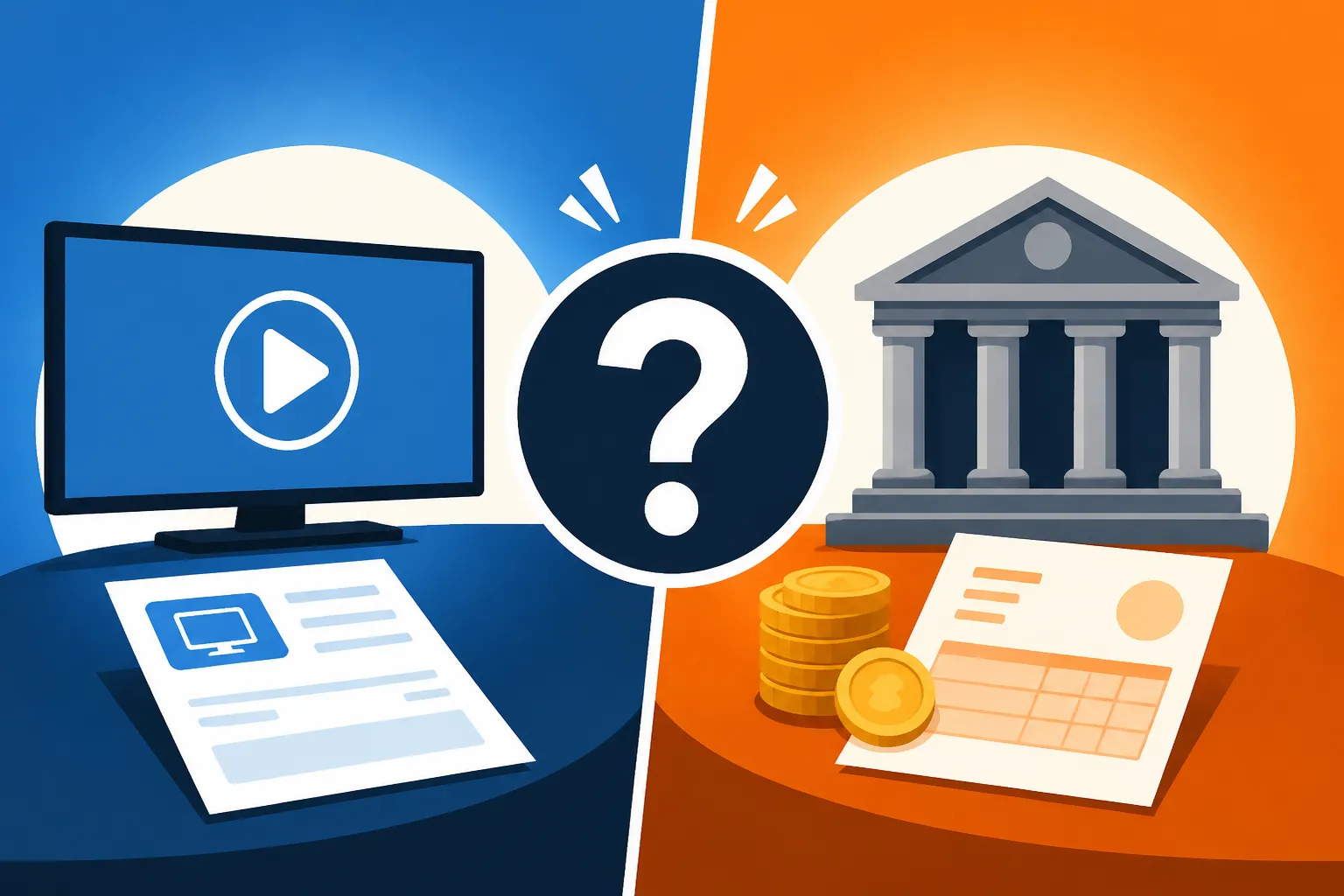
| Feature | Old Medielicens System | New Tax-Based System (Current) |
|---|---|---|
| Payment Method | Separate bill (Girokort) via mail/e-Boks | Integrated into income tax |
| Cost Basis | Flat fee per household | Based on personal tax credit reduction |
| Registration | Required for all devices | No registration required |
| Enforcement | License inspectors/late fees | Automated via SKAT |
| Household Rule | One fee per household | Individual (via personal tax) |
This individual-based tax approach also solved the "roommate problem." Previously, if four expats shared a house, they had to figure out who would put the license in their name and how to split the cost. Now, each person’s tax is handled individually by SKAT, making the transition much easier for those navigating the Cost of Living in Denmark 2026: Budgets for Singles and Families.
The Role of International Tax Services
Because Danish taxes are notoriously complex, many foreigners choose to use specialized services. If you are managing assets in both your home country and Denmark, firms like Taxes for Expats can help you understand how these local contributions fit into your global tax liability. While the media contribution is small, it is part of the overall high-tax environment that provides the extensive social services Denmark is known for.
Understanding Your Paycheck and SKAT
To truly see where your money is going, you have to get comfortable with your Understanding Your Danish Payslip (Lønseddel): Deductions Decoded. Since the media license is now part of your income tax, it is bundled with your municipal and state taxes.
Spotting the Media Contribution on Your Lønseddel
When you look at your payslip, you will see your "A-Skat" (income tax) and "AM-bidrag" (labor market contribution). You will not see a "Media Tax" line. However, the amount of A-Skat you pay is determined by your "Trækkeprocent" (tax percentage) and your "Fradrag" (deduction).
The media funding is "baked in" because your monthly deduction is slightly lower than it would have been under the old regime. If you find that your tax percentage seems unusually high, it’s usually not because of the media tax, but rather because your Preliminary Tax Assessment (Forskudsopgørelse): Avoiding Tax Debt hasn't been updated to reflect your actual earnings or your commute.
Managing Foreign Income and Tax Deductions
If you are a freelancer or have income from abroad, the media tax is still relevant because it’s part of your total Danish tax liability. Using Taxes for Expats can be particularly beneficial here to ensure you aren't being double-taxed on income that might be subject to different rules in your home country.
For those who move frequently, it is vital to remember that your tax liability is tied to your residence. If you are Moving Addresses: Do You Automatically Get a New Yellow Card, you must ensure your address is updated in the CPR system so that SKAT has the correct information for your municipal tax rates, which can vary slightly and affect your overall "media-inclusive" tax bill.
Dealing with Old Invoices and Debt
A common fear for expats who lived in Denmark before 2022 is whether old, unpaid media license bills will suddenly reappear. The answer is: yes, they can. When the system transitioned to a tax, the outstanding debts didn't just vanish. DR handed over the collection of unpaid licenses to Gældsstyrelsen (the Danish Debt Collection Agency).
If you have old debt, it can be offset against any tax refunds you might be owed. When you check your Understanding SKAT: Forskudsopgørelse vs. Årsopgørelse Explained in March, you might see a deduction if you have old media license fees lurking in your past. It is always better to settle these debts early rather than letting them accrue interest. Using a service like Wise to pay off these old government debts is a quick way to clear your record before you apply for permanent residency.
Practical Tips for New Arrivals
Navigating the Danish system is all about digital integration. The fact that the TV license is now a tax is a testament to how much Denmark values a streamlined, paperless society. To make sure you're handling your finances correctly, follow these steps.
Banking and Financial Setup
Your first priority should be getting your NemKonto and MitID: The Core of Danish Digital Finance (2027) sorted. Without these, you cannot access your tax information or see how your income is being processed. Once your MitID is active, log in to TastSelv on the SKAT website. Here, you can see your tax card and your preliminary assessment.
Check your "Personfradrag" (personal allowance). If you are a new arrival, SKAT often uses a default setting. If you expect to have specific deductions—like for a home loan or a long commute—updating this immediately will ensure your monthly take-home pay is accurate. Remember that while the media tax is automated, other deductions are not.
Wise and Digital Payments
Even though you don't have a TV license bill to pay, you will have plenty of other utilities. Setting up your finances with a mix of a traditional Danish bank and a flexible tool like Wise is often the best strategy for expats. Wise is excellent for the initial move-in costs—like deposits and furniture—where you need to move large sums of money into DKK without losing a fortune on exchange rates.
Note that while Wise is a fantastic tool, it cannot replace a Danish bank for things like NemKonto. As discussed in Wise vs. Revolut in Denmark: Why They Cannot Replace a Danish Bank, you need a local account to receive your salary and ensure your taxes are being handled correctly by your employer.
Staying Informed Without the Bill
Since you are now paying for public media through your taxes, you might as well use it! Danmarks Radio (DR) provides an incredible amount of content, including news, podcasts, and streaming via the "DR TV" app. Much of it is in Danish, which is a great way to practice, but they also offer some English-language resources and subtitled programs.
In the past, people felt a "choice" about whether to pay for this service. Now that the "choice" has been replaced by a mandatory tax contribution, the best way to get your money's worth is to engage with the culture. Whether it’s watching the evening news (TV Avisen) or listening to Danish radio while you commute, you've already paid for it through your lowered tax credit.
Summary of the Current Status
To put all your fears to rest: No, you will not receive a separate TV license bill in 2026. If you receive an email or a letter asking you to "pay your media license" and providing a link for payment, it is a scam.
Because the system is now entirely tax-based, the Danish government will never ask you to pay for a media license via a separate link or a credit card portal. Everything is handled through your employer’s tax withholding or your annual tax settlement. By staying vigilant and using trusted services like Taxes for Expats for your filing and Wise for your currency needs, you can navigate the Danish financial landscape with total confidence.
Disclaimer
This guide is for informational purposes only and does not constitute professional tax, legal, or financial advice. Tax laws in Denmark, including those relating to public media funding and personal credits, are subject to change by the Danish Parliament (Folketinget). Always consult with a certified accountant or contact SKAT directly regarding your specific financial situation.