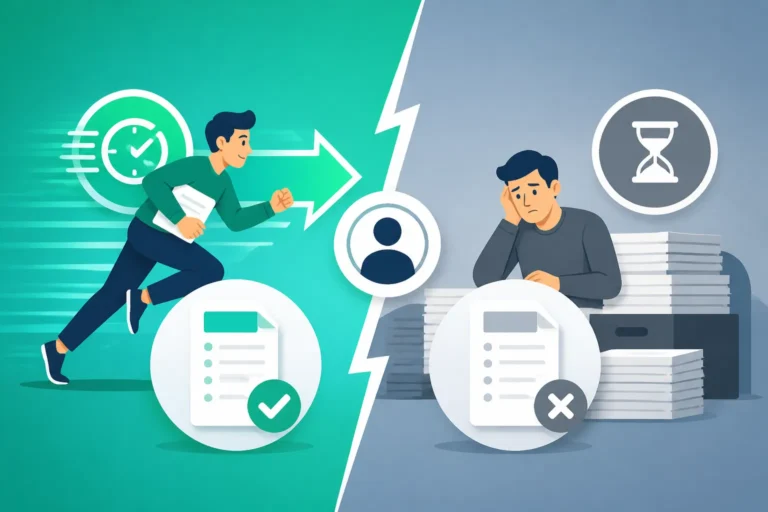
Changing Employers on a Work Visa: Do You Need to Apply Again?
So, you've landed a job in Denmark, navigated the visa labyrinth, settled in, and now… a new opportunity has popped up. Or perhaps your current role isn't quite what you expected. Whatever the reason, the idea of changing employers while on a Danish work visa can feel like opening Pandora's box. The administrative burden, the fear of losing your legal status, and the sheer uncertainty are very real anxieties that many expats grapple with. This guide aims to cut through the confusion and explain exactly when and how you need to handle your work permit when transitioning to a new job in Denmark.
The Core Rule: When a New Application is Absolutely Necessary
Let's face it, the Danish immigration system, while robust, isn't always intuitive. One of the biggest misconceptions expats have is that a work permit is simply a green light to work anywhere in Denmark. Unfortunately, that's rarely the case. Your work visa is generally tied to very specific conditions, and ignoring these can lead to serious trouble.
Understanding Your Current Permit's Limitations
Most standard work permits in Denmark, such as those under the Pay Limit Scheme or the Positive List, are issued based on an offer of employment from a specific employer. This means your permit explicitly states the company (by its CVR number, which is Denmark's central business register number), your job title, and often a minimum salary. Think of your current permit not as a general work authorization, but as a contract between you, SIRI (the Danish Agency for International Recruitment and Integration), and your current employer.
If you simply quit your job and start another one without informing SIRI or applying for a new permit, you're essentially working illegally. This isn't just a minor administrative oversight; it can have severe consequences, including fines, deportation, and even future bans from re-entering Denmark. Imagine the scenario: you've found your dream job, started on Monday, but because you didn't update your permit, a few months down the line, SIRI notifies your new employer that you're not legally allowed to work for them. It's a nightmare nobody wants to experience, and sadly, it does happen.
The "Substantial Changes" Principle
SIRI operates on a principle of "substantial changes" when it comes to your employment conditions. If the changes to your work situation are considered significant, you absolutely need to go through a new application process. But what exactly constitutes a "substantial change"? The key elements SIRI scrutinizes are:
Firstly, a new employer is almost always considered a substantial change. This is the most common scenario for needing a new permit. If your new job is with a different company, even if it's in the same field or city, you'll need a new work permit tied to that specific employer. This new permit will specify the new company's CVR number.
Secondly, a different job title or function can also trigger the need for a new application, especially if it significantly deviates from the role described in your original permit. For instance, if your initial permit was for a "Software Engineer" and your new role is "Senior Project Manager" with vastly different responsibilities, even within the same company (though this is less common for internal moves), SIRI might see this as a substantial change requiring a new assessment. Similarly, a significant change in salary that might affect whether you still meet the criteria for your permit scheme (e.g., dipping below the Pay Limit Scheme threshold) would also necessitate a new application or at least a thorough re-evaluation by SIRI. This is particularly relevant if your permit has a specific salary requirement, like The Pay Limit Scheme: Meeting the 2026 Salary Requirements.
On the flip side, minor adjustments, like a small salary increase that still comfortably exceeds the minimum threshold, or a slightly amended job description within the same overall function at the same company, might only require a notification to SIRI, or perhaps nothing at all, if your original permit has some flexibility built-in. It's always best to err on the side of caution and notify, but the key takeaway is that switching companies almost unequivocally means a fresh start with your visa application.
Exceptions to the Rule: When You Might Not Need a Brand New Permit
While the general rule is to reapply, Denmark's immigration system isn't entirely without nuance. There are a few specific scenarios where you might be able to avoid a completely fresh, lengthy application, or where the process is somewhat streamlined. Understanding these exceptions can save you a significant amount of stress and time.
Internal Transfers and Promotions within the Same Company
This is perhaps the most straightforward exception. If you receive an internal promotion, get a new job title, or transfer departments within the same company (meaning the CVR number of your employer remains unchanged), you typically do not need to apply for a brand new work permit from scratch. Your existing permit, which is tied to that specific company, remains valid.
However, this doesn't mean you can just carry on without a thought. While a new application isn't usually necessary, it's often advisable, and sometimes legally required, to notify SIRI of significant changes to your employment terms, even within the same employer. This is particularly true if your new internal role involves a different job description that fundamentally changes your work function, or if there's a substantial salary adjustment. Your HR department should be able to guide you on this, as they will often have an internal process for notifying SIRI with an amended contract. Keeping SIRI informed, even when not strictly required for a new permit, ensures there are no future misunderstandings when it comes to potential extensions or applications for permanent residency down the line.
The Fast-Track Scheme Advantage
Ah, the Fast-Track Scheme – a beacon of hope for many international professionals and their employers in Denmark. This scheme is designed for certified companies that frequently recruit highly qualified foreign employees, offering a much smoother and quicker path for obtaining and managing work permits. If your new prospective employer is certified under the Fast-Track Scheme, this can significantly alter your application process.
Instead of a full, standard application, you might only need a new "endorsement" under the Fast-Track Scheme. This means that once your new employer is confirmed to be certified for the relevant track (e.g., Pay Limit Track, Researcher Track, Educational Track), they essentially submit a notification to SIRI with your new employment contract. Because SIRI has already vetted the employer, the processing time for this endorsement is dramatically shorter than a regular application. This is one of the key benefits of working for a Fast-Track certified company, as it offers much-needed flexibility. You can learn more about this by checking out The Fast-Track Scheme: Certified Employer Sponsorship Explained. It's absolutely crucial, however, to verify that your new employer is indeed certified under the scheme and that your new role fits one of their approved tracks. Don't assume; always check the official SIRI list of certified companies.
The 6-Month Job Search Window and its Risks
Many work permits, especially those for highly qualified individuals, come with a "6-month job search rule." This rule allows you a period of up to six months to find new employment if your previous employment ends. This is a massive relief for expats who suddenly find themselves redundant or choose to leave a difficult job. This window means you can legally remain in Denmark for six months while actively searching for a new position. This is the crucial part: it gives you time to find a job, but it does not mean your existing permit automatically transfers to any new employer you find.
When you secure a new job within this six-month period, you still need to apply for a new work permit linked to your new employer. The six-month rule is essentially a grace period to maintain your residence status while unemployed, preventing immediate deportation. You absolutely cannot start working for a new company just because you're within this window. You must await SIRI's approval of your new permit application. Failure to find a new job and obtain a new permit within this timeframe will unfortunately mean you lose your legal right to reside and work in Denmark, necessitating your departure. It's a stressful period, and understanding The 6-Month Rule: When Unemployment Causes Work Visa Revocation is vital for managing this transition effectively.
The Application Process for a New Employer
So, you’ve found a new opportunity, and you know you need to apply for a new permit. The prospect can feel daunting, but breaking it down into manageable steps makes it much less overwhelming. The process is similar to your initial application, but with a few key differences.
Gathering Essential Documentation
Preparation is half the battle when dealing with SIRI. Before you even think about hitting 'submit' on an online form, you need to compile a robust set of documents. The specific list can vary slightly depending on your original visa type and the new one you're applying for, but generally, you'll need:
- Your new employment contract: This is the cornerstone. It must clearly state your new employer's name and CVR number, your job title, detailed job description, start date, and, crucially, your salary and terms of employment. Ensure the salary meets the minimum requirements for the visa scheme you're applying under (e.g., Pay Limit Scheme).
- Salary specifications: Beyond the contract, your employer will need to provide detailed salary information, including any pension contributions or other benefits that might count towards the salary threshold. This is critical for applications like the Pay Limit Scheme, where every krone counts. Understanding how these are calculated, especially pension contributions, is key – you can get more details here: Does an Employer’s Pension Contribution Count Towards the Pay Limit?.
- Your current and previous work permit details: Keep copies of all your old permits and decisions from SIRI. They help establish your history in Denmark.
- A valid passport: Ensure your passport has sufficient validity for the duration of the permit you're seeking, plus extra.
- Proof of educational qualifications: Depending on the scheme (e.g., Positive List), you might need to resubmit your diplomas and transcripts.
- Biometric data: You will likely need to re-record your biometrics (fingerprints and photo) at a designated police station or SIRI office. This isn't always required for every renewal or change, but it's a very common step for new applications, so budget time for it. If you’re unsure, check the specific instructions for your application type or refer to Submitting Biometrics for SIRI: Booking Appointments and Police Stations.
- Translated documents: If any of your official documents (e.g., educational certificates from a non-English/Danish speaking country) are not in Danish or English, you must have them officially translated. Services like RushTranslate or Translayte can provide certified translations that are accepted by Danish authorities. Make sure the translation agency is reputable and provides a stamp or certification.
Double-checking this list against SIRI's official requirements for your specific permit type is non-negotiable. Missing even one minor document can significantly delay your application.
Submitting Your New Application to SIRI
Once your documents are in order, the next step is the actual submission. This is almost exclusively done online via SIRI's self-service portal on New to Denmark (nyidanmark.dk).
- Fill out the online application form: This needs to be meticulous. Provide accurate information, cross-referencing with your contract and personal details. Any discrepancies can flag your application for closer scrutiny.
- Pay the application fee: There is a non-refundable fee for most work permit applications. Ensure you pay the correct amount and keep proof of payment.
- Book your biometric appointment: Shortly after submitting your application (or sometimes even before, if allowed for your specific permit type), you'll need to book an appointment to have your biometrics recorded. As mentioned, this is usually at a police station or a SIRI branch office.
- Submit supplementary documents: Sometimes, SIRI will request additional information after an initial review. Be responsive and submit these promptly.
Processing times for new applications can vary wildly, from a few weeks under the Fast-Track Scheme to several months for standard applications. It's a waiting game, and managing expectations is crucial. You can often track your application status online, but for a deeper dive into what influences these timelines, take a look at SIRI Processing Times 2026: Why Fast-Track is Faster and Navigating SIRI: Processing Times, Biometrics, and Appeals.
What Happens While Your Application is Pending
This is perhaps the most anxiety-inducing part of the entire process for many expats: can you start your new job while SIRI is still processing your application? For a new employer and a new permit application, the general rule is a resounding no. You are typically not allowed to begin working for your new employer until SIRI has officially approved your new residence and work permit. Starting work without this approval means both you and your employer are breaking the law, and the consequences can be severe for both parties.
There are very specific exceptions, primarily for certain types of applications under the Fast-Track Scheme, where you might be granted permission to start working earlier. This is often explicitly stated in the confirmation from SIRI or through a "right to begin work" endorsement. However, these are not universal. For most new permit applications involving a change of employer, you must wait for the final decision. This can mean a period of unemployment between your old job and your new one, which needs careful financial planning.
It's absolutely critical to maintain legal residence in Denmark throughout this transition. If your previous permit expires before your new one is approved, and you don't have a valid basis to stay (like the 6-month job search window or an active extension application for the same job), you could find yourself in an illegal situation. Always aim to submit your new application well in advance of your current permit's expiry. If you're concerned about your permit expiring while an application is pending, a re-entry permit might be an option if you need to travel outside Denmark, but typically for renewal of the same job. For a new job, generally, you'll need to wait for the new permit.
Key Considerations and Potential Pitfalls
Changing employers isn't just about the new job itself; it has ripple effects across your entire life in Denmark, particularly concerning your financial stability and future immigration prospects. Being aware of these crucial factors can help you avoid unwelcome surprises.
Financial Requirements and Salary Thresholds
When you apply for a new work permit with a different employer, your new salary and employment conditions will be scrutinized against the current requirements of the visa scheme you're applying under. This is especially pertinent for schemes like the Pay Limit Scheme, which has a significant minimum salary threshold. For 2026, this threshold is quite high, and your new job must meet or exceed it.
It's not just your base salary that counts. For many permits, pension contributions and other taxable benefits (like a company car, if provided) can be included in the calculation towards the salary threshold. Your new employer's HR department should be well-versed in how to present this information to SIRI. However, it's your responsibility to ensure that the total package genuinely meets the legal requirements. Don't simply take a verbal assurance; get it in writing and compare it against SIRI's published guidelines. A common pitfall is assuming that because your previous salary was fine, your new one will automatically be, even if it's slightly lower or structured differently. Remember, SIRI evaluates each application on its own merits, using the most up-to-date thresholds. For a more detailed understanding, review Does an Employer’s Pension Contribution Count Towards the Pay Limit?.
The Impact on Permanent Residency Timelines
One of the biggest concerns for expats building a life in Denmark is whether changing jobs will somehow "reset" their clock for permanent residency. The good news is that generally, as long as you maintain continuous legal residence and work permits, changing employers does not reset your accumulated time towards permanent residency. The key here is "continuous legal residence."
This means there should be no significant gaps where you are residing in Denmark without a valid permit. If your old permit expires, and your new permit application is delayed, creating a period where you have no legal basis to stay, this could potentially impact your permanent residency application later. Therefore, meticulous planning to ensure your permits overlap or transition seamlessly is paramount. Always apply for your new permit well before your current one expires. The time you've spent legally working and residing in Denmark under previous permits still counts towards the 4 or 8-year requirement for permanent residency. For a comprehensive overview of how this works, you'll want to read Permanent Residency (Permanent Opholdstilladelse) in Denmark.
Navigating Unemployment Between Jobs
Life happens, and sometimes there's an unavoidable period of unemployment between jobs. Whether you were laid off, or you simply need a break before starting a new role, understanding your rights and limitations during this time is crucial. As discussed earlier, many work permits allow for a 6-month job search window if your employment ends. This is a critical safety net, permitting you to remain in Denmark while actively seeking new work.
However, it's vital to remember that this is a residence permit for job searching, not an automatic extension of your work authorization for a new employer. During this period, you cannot simply start a new job without a new work permit approval. If you find a new job within these six months, you still need to submit a full application to SIRI for a permit tied to your new employer. If you don't secure a new permit within this window, you lose your legal right to stay in Denmark and must leave.
Regarding financial support, if you've been a member of an A-kasse (unemployment insurance fund) for the required period, you might be eligible for dagpenge (unemployment benefits) during this time. However, receiving dagpenge does not negate the need for a valid residence permit. You can't rely on unemployment benefits to extend your stay indefinitely if your work permit conditions aren't met. It's a complex interaction, so understanding Dagpenge (Unemployment Benefits): How Much Do You Get from A-Kasse? and The 6-Month Rule: When Unemployment Causes Work Visa Revocation thoroughly is essential for navigating this challenging period without jeopardizing your long-term status.
Practical Advice and Best Practices
Changing jobs in a foreign country is inherently complex, but with the right approach and a bit of foresight, you can navigate the Danish system more smoothly. Think of yourself as the captain of your own ship, steering through sometimes choppy administrative waters.
Communication is Key
One of the most powerful tools in your arsenal is clear and proactive communication. Don't keep your visa status a secret from potential employers. As soon as you're serious about a new role, discuss your current work permit situation with the hiring company's HR department. Reputable Danish companies, especially those that frequently hire international talent, will often have dedicated HR specialists who understand SIRI's requirements and the Fast-Track Scheme. They can be invaluable allies in helping you gather the necessary documentation and understanding the timelines.
Similarly, if you're leaving your current role, maintain open communication with your existing employer's HR. They might need to provide specific documentation to SIRI regarding your cessation of employment, which could be important for your 6-month job search permit or subsequent applications. Transparency builds trust and can prevent misunderstandings or delays on both sides. Remember, most employers want a smooth transition, and they're usually willing to help within legal bounds.
Seeking Professional Guidance
While this guide offers a lot of information, every expat's situation is unique. There might be nuances in your specific case that warrant professional legal advice. If your situation is particularly complex—perhaps you're transitioning from a Work Visas for Researchers and Guest PhDs: Special Tax and Visa Rules, or you have a family reunification component, or you've had previous rejections or unique employment circumstances—it's highly advisable to consult with an immigration lawyer specializing in Danish law.
SIRI's website, while comprehensive, provides general guidelines. An immigration lawyer can offer personalized advice, review your contracts, anticipate potential issues, and even help you prepare and submit your application to minimize the risk of rejection or delays. Their expertise can be an invaluable investment for your peace of mind and long-term stability in Denmark. Don't be shy about seeking professional help if you feel overwhelmed or uncertain; it's a common and sensible step for many expats.
Planning Ahead for a Smooth Transition
The biggest secret to a successful job and permit change in Denmark is proactive planning. Don't wait until the last minute.
Know your current permit's expiration date: Mark it on your calendar and start thinking about your next steps at least 4-6 months in advance.
Gather documents early: Even if you're not actively job searching, having electronic copies of your diplomas, previous contracts, and passport ready can save valuable time later.
Understand processing times: Factor in SIRI's processing times when discussing start dates with potential new employers. It's usually better to be realistic and allow for extra time than to promise an early start date you can't meet. This is particularly important because, as discussed, you generally cannot start before approval for a new employer.
Financial buffer: Be prepared for a potential period of unemployment between jobs. Having a financial cushion can significantly reduce stress if processing times extend or if you encounter unexpected delays.
MitID and Digital Post: Ensure your MitID is fully functional and you regularly check your digital post (e-Boks or Mit.dk), as SIRI and other authorities communicate important updates there. This is how you'll receive notifications about your application status or requests for further information.
By approaching your job change with a well-thought-out plan, clear communication, and a willingness to seek expert advice when needed, you can navigate this complex process with confidence and continue building your life in Denmark.
| Scenario | New Application Required? | Notification to SIRI? | Key Action | Potential Impact |
|---|---|---|---|---|
| New employer, same job type | Yes | Yes (via new application) | Apply for a new permit tied to the new employer. | Must await approval before starting. |
| New employer, different job type | Yes | Yes (via new application) | Apply for a new permit tied to the new employer. | Must await approval before starting; may need to ensure new job fits scheme criteria. |
| Internal promotion (same company, same CVR) | No | Usually (check with HR) | HR typically updates SIRI or files an amendment. | Permit remains valid; no work disruption. |
| Internal transfer (same company, same CVR) | No | Usually (check with HR) | HR typically updates SIRI or files an amendment. | Permit remains valid; no work disruption. |
| Job loss, seeking new job within 6-month window | No (for remaining in Denmark) | No (initial notification of job loss) | Find new job, then apply for new permit for new employer. | Can stay for 6 months, but cannot work for new employer until new permit is approved. |
| New employer, Fast-Track certified | Usually not a full new application | Yes (via new endorsement) | New employer applies for an endorsement under their Fast-Track certification. | Significantly faster processing; sometimes immediate right to work. |
| Significant salary change (affecting threshold) | Often (check with SIRI) | Yes (via new application if substantial) | May require new application or detailed notification if still with same employer. | Could impact meeting permit criteria; ensure new salary still qualifies for the scheme. |
Disclaimer
The information provided in this guide is intended for general informational purposes only and does not constitute legal advice. While we strive to provide accurate and up-to-date information, immigration laws and regulations in Denmark are subject to change. It is always recommended to consult with SIRI directly or seek independent legal counsel from a qualified immigration lawyer for advice tailored to your specific situation. Reliance on any information provided in this guide is solely at your own risk.