Leaving Denmark: Can You Cash Out Your Danish Pension?
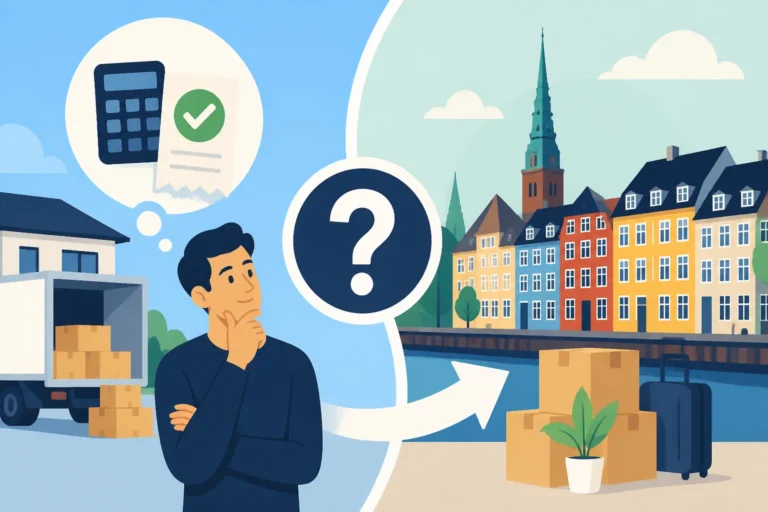
It's a familiar ache, isn't it? That bittersweet feeling of packing your bags, ready for a new chapter outside of Denmark, only to remember the money you've diligently saved in your Danish pension. Many expats find themselves staring at those Danish Krone balances, wondering, "Can I just take it all out and bring it with me?" The simple answer is, well, it's Denmark – so it's not always simple, but in this guide, we'll unravel the complexities of cashing out your Danish pension when you decide to leave this wonderful, yet administratively intricate, country.
Understanding the Danish Pension System for Expats
Before we dive into the nitty-gritty of withdrawals, it’s crucial to grasp the landscape of the Danish pension system itself. For many of us who've lived and worked here, it can feel like a labyrinth of acronyms and rules. But understanding the different types of pensions is your first step to knowing what you can, and cannot, do when you head for greener pastures.
The Pillars of Danish Pensions: Folkepension, ATP, and Employer Schemes
Denmark's pension system is often described as having three main pillars, and as an expat, you've likely contributed to at least two, if not all three, during your time here.
Firstly, we have the Folkepension, which is the basic state pension. This isn't a savings pot you can cash out; it's a social benefit. Your eligibility and the amount you receive at retirement age are generally tied to how many years you've lived in Denmark after the age of 15 and up to the retirement age, with a minimum of three years of residency being a common threshold for any entitlement. It's automatically administered by the state and forms a safety net, not a lump sum you can withdraw. Secondly, there’s ATP Livslang Pension (Labour Market Supplementary Pension). This is a mandatory scheme that most employees in Denmark contribute to, deducted directly from your salary along with your tax. Like Folkepension, ATP is designed to be a lifelong annuity paid out at retirement, not a fund you can dip into early. The amounts are typically modest, but they are a consistent top-up to your other pensions. For more on how these public pensions operate, you might want to read up on the broader Danish Pension System: Folkepension, ATP, and Employer Contributions.
The third, and often largest, pillar for expats is the Arbejdsmarkedspension (employer-contributed pension) or Firmapension (company pension). These are schemes set up through collective agreements or your individual employment contract. This is where the bulk of your private pension savings typically reside in Denmark. Many employers here offer generous pension contributions as part of your overall compensation, which is fantastic for long-term planning, but it's these schemes that cause the most head-scratching when you're considering leaving the country. These are essentially private funds managed by pension companies like PFA, Sampension, Nordea Pension, Danica Pension, or Velliv, among others. Beyond these, you might also have Privat Pension, which are individual pension savings you set up yourself, such as a Ratepension or Aldersopsparing. These offer different tax benefits and withdrawal rules, which we'll delve into shortly.
How Your Pension Accrues While Living and Working in Denmark
Your pension accrues in Denmark primarily through those mandatory and contractual contributions. For Folkepension and ATP, it's a matter of residency and employment. The more years you've lived and worked here, the more likely you are to build up some entitlement. These aren't funds with a fluctuating value based on investments; they're based on your contribution history and social rights.
The Arbejdsmarkedspension and Firmapension, however, are typically investment-based. A percentage of your salary (often 10-15% or even more) is diverted each month by your employer into a specific pension product with a pension provider. This money is then invested according to a strategy you might have chosen, or a default strategy set by the pension company. Over the years, this money grows (hopefully!), contributing significantly to your retirement pot. Many expats initially overlook the value of these contributions, often focusing solely on their net salary, but these can be substantial. Understanding the different types of employer-mandated schemes is essential, and you can get more details in our guide on Employer Pensions (Arbejdsmarkedspension): Mandatory Savings Explained.
Individual Privat Pension schemes, like Ratepension and Aldersopsparing, work similarly to investment accounts, but with specific tax treatments designed for retirement savings. Ratepension allows you to deduct contributions from your taxable income, but withdrawals are taxed as personal income in retirement. Aldersopsparing, on the other hand, does not offer tax deductions on contributions, but the withdrawals are generally tax-free when you reach retirement age. The choice between these often depends on your individual tax situation and long-term financial planning, but their differences also play a huge role in how easily (and how heavily taxed) they can be withdrawn if you leave Denmark.
The Core Question: Cashing Out Your Pension Upon Departure
Alright, the moment of truth. You’re leaving Denmark. Can you actually get your hands on that pension money? The answer is often a qualified "yes," but it comes with caveats, complications, and usually, a pretty hefty tax bill. It's not like simply withdrawing from a regular savings account.
Rules for Cashing Out Employer-Contributed Pensions (Arbejdsmarkedspension)
This is typically the largest component for many expats. When it comes to your Arbejdsmarkedspension or Firmapension, the general rule in Denmark is that these funds are locked in until you reach retirement age. The system is designed to provide long-term security. However, for non-residents, there is often an option to have the pension paid out as a lump sum if you permanently leave Denmark.
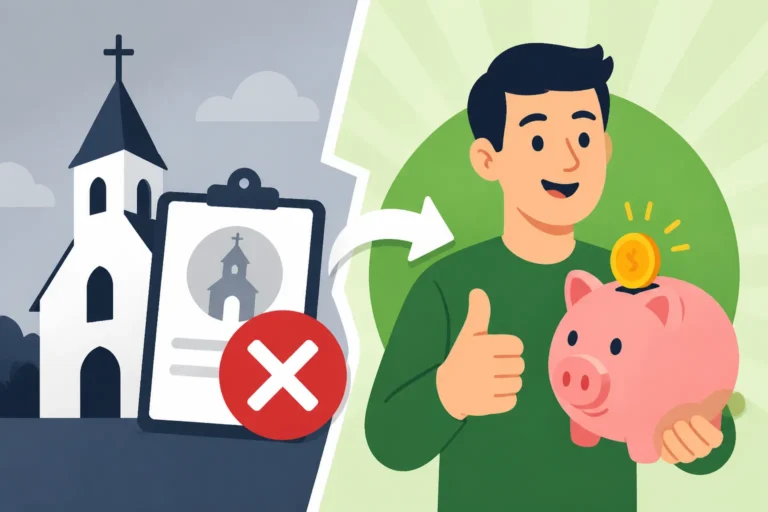
But here’s the kicker: this early withdrawal is subject to a significant special tax. Typically, this "early withdrawal tax" can be as high as 60% of the lump sum. Yes, you read that right – 60%! This incredibly high rate is designed to strongly discourage early withdrawals and ensure the funds are used for their intended purpose: retirement. Each pension provider will have a slightly different process, but they will all adhere to the same tax regulations set by SKAT, the Danish tax agency. You will need to formally notify your pension company that you are leaving Denmark permanently and request an early payout. They will then calculate the lump sum, deduct the 60% tax, and transfer the remainder. It's a significant financial hit, and often, expats are shocked by how little remains after the tax deduction. This is why it’s imperative to explore all your options before making a hasty decision.
Cashing Out Individual Pension Savings (Ratepension, Aldersopsparing)
If you've also contributed to private pension schemes like a Ratepension or Aldersopsparing, the rules are a bit different, and potentially less punitive.
For a Ratepension, which is designed for regular payouts over a minimum of 10 years after retirement, early withdrawal upon leaving Denmark permanently is also generally subject to the 60% special tax, similar to the employer-contributed schemes. This is because you’ve enjoyed tax deductions on your contributions during your working years, and the state wants to recover a significant portion if you don't use it as intended.
However, the Aldersopsparing is a different beast. Since you don't get tax deductions on your contributions to an Aldersopsparing, the withdrawals at retirement are typically tax-free. If you choose to withdraw from an Aldersopsparing before your official retirement age, and you're leaving Denmark permanently, you will usually face a 25% tax on the total amount. While still a tax, it is significantly lower than the 60% levied on Ratepension and Arbejdsmarkedspension. This makes Aldersopsparing a potentially more flexible option for expats who anticipate leaving Denmark before retirement and want easier access to their funds, albeit with a smaller tax bite. It's crucial to distinguish between these types of private pensions when planning your departure, as the tax consequences are vastly different.
The Exceptions and Special Circumstances
Are there any ways around the 60% tax? Generally, no, if you intend to take the money out as a lump sum before retirement age. The Danish system is quite strict on this. However, there can be very specific, rare exceptions or misunderstandings. For instance, some very small pension amounts might be paid out without the 60% tax under certain thresholds, but these are usually insignificant sums.
Another "exception" that isn't really an exception but rather a nuance, is if you reach retirement age while still living abroad and then request the pension payout. In this scenario, the 60% early withdrawal tax usually doesn't apply because you are withdrawing at the intended time. However, the payout (especially from Ratepension or Arbejdsmarkedspension) will then be taxed as income, potentially by Denmark (depending on tax treaties) and almost certainly by your country of residence at the time of withdrawal. This is where cross-border taxation becomes incredibly complex, and seeking advice from a specialist like Taxes for Expats or a Danish tax advisor is paramount.
It's vital to remember that the Danish state wants to ensure these funds remain for your retirement, so they design the system to make early withdrawal financially unappealing. Don't expect to find a loophole easily, as many have tried and failed.
The Financial Implications: Taxation and Fees
Beyond the shocking early withdrawal taxes, there are further financial considerations that often catch departing expats off guard. Leaving Denmark involves navigating not just Danish tax laws but also potentially those of your new home country.
Understanding Danish Pension Withdrawal Taxes for Non-Residents
We've already touched upon the 60% special tax for most early lump-sum withdrawals from Arbejdsmarkedspension and Ratepension, and the 25% tax for early Aldersopsparing withdrawals. But what happens if you decide not to cash out early and instead leave your pension funds invested in Denmark until you reach Danish retirement age?
If you opt for this strategy, when you eventually start receiving pension payments as a non-resident, Denmark will typically still levy tax on these payouts. The specific tax rate will depend on the type of pension and any double taxation agreements (DTAs) that exist between Denmark and your country of residence at the time of withdrawal. For example, if you have a Ratepension that pays out monthly, these monthly payments would be considered income and taxed accordingly by SKAT. This is why it is so important to file your Annual Tax Assessment Notice (Årsopgørelse): Claiming Deductions even after you leave, as it confirms your non-resident status for tax purposes. Without careful planning, you could potentially face taxation in both Denmark and your new home country, although DTAs are designed to prevent this by typically giving one country the primary right to tax and the other providing a credit for taxes paid. Navigating these international tax complexities is where specialist firms like Taxes for Expats really shine, helping you understand your obligations and minimize your tax burden.
Potential Tax Implications in Your Home Country
Here's where things can get truly complicated. Even if you manage to understand the Danish tax implications, your new country of residence might have its own rules regarding foreign pension withdrawals or transfers.
Imagine you withdraw your Danish pension with the 60% tax deducted, and then transfer the remaining 40% to your home country. Your home country might view that 40% as new income and attempt to tax it again, even if Denmark has already taken its hefty cut. This is highly dependent on the tax laws of your new country and any bilateral tax treaties with Denmark. For instance, some countries might consider it a foreign income lump sum, while others might have specific rules for foreign pension distributions. You could unknowingly trigger a significant tax event in your new country. It is absolutely essential to consult with a tax advisor in your new country of residence before you initiate any withdrawal from Denmark. They can advise you on how your specific Danish pension funds will be treated under their domestic tax laws and how any DTA might apply. This foresight can save you from a very unpleasant surprise down the line.
Administrative Fees and Transfer Costs
Beyond taxes, don't forget the practical costs. When you request a lump sum payout or a transfer, your Danish pension provider might charge administrative fees. These fees vary between providers, so it's worth checking the terms and conditions of your specific pension scheme.
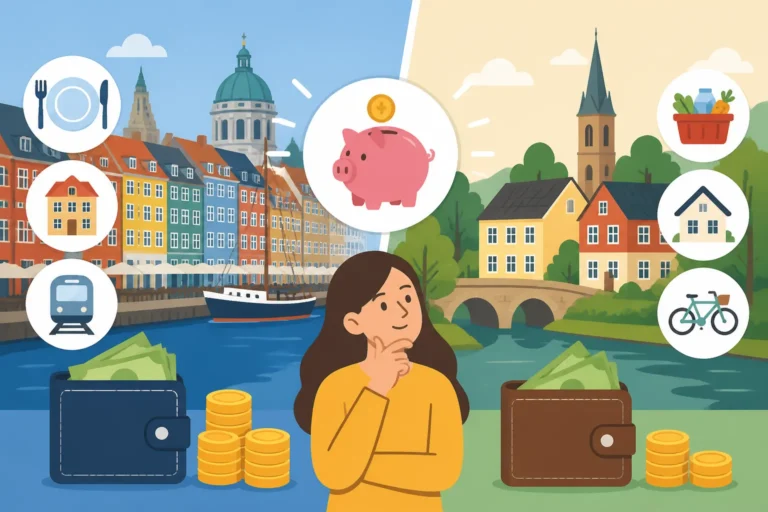
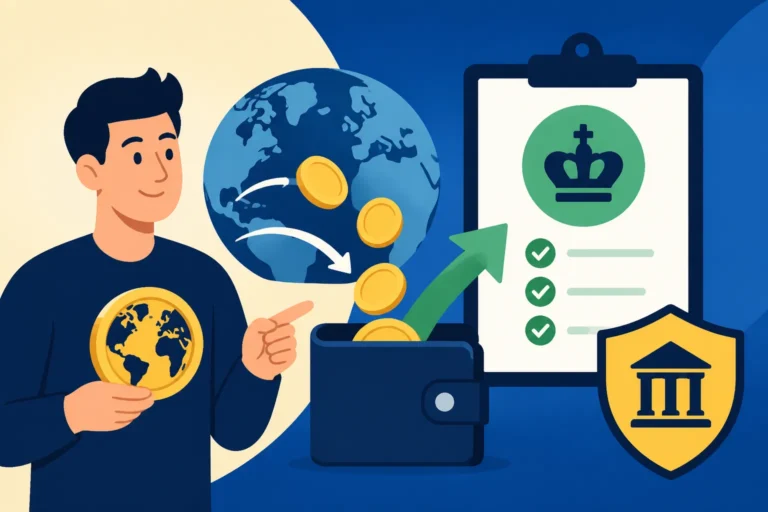
Furthermore, if you're transferring money internationally, you'll encounter currency exchange rates and transfer fees. Danish Kroner (DKK) is not universally used, and converting it to Euros, Pounds, Dollars, or another currency will involve exchange rate margins. Traditional banks often apply less favourable exchange rates and higher fees for international transfers compared to specialist money transfer services. This is where services like Wise (formerly TransferWise) can be incredibly useful. They offer transparent, mid-market exchange rates and lower fees for international transfers, helping you maximize the actual amount of money that reaches your account in your new country. While they can't magically reduce your Danish taxes, they can certainly help reduce the cost of moving your net funds across borders.
Alternative Options to Cashing Out
Given the steep early withdrawal taxes, many expats wisely decide that cashing out their Danish pension isn't the best financial move. Thankfully, there are alternatives, each with its own set of pros and cons.
Leaving Your Pension Invested in Denmark
This is often the most financially sensible option for many, particularly if you have substantial funds in your Arbejdsmarkedspension or Ratepension. By leaving your pension invested in Denmark, you avoid the punitive 60% early withdrawal tax. Your funds continue to grow (or shrink, depending on market performance) within the Danish system, managed by your pension provider.
The main benefit here is tax deferral and continued investment growth. You would then access these funds at the official Danish retirement age, at which point they would be taxed as income (not the 60% special tax), and potentially subject to favourable terms under any double taxation treaty with your new country of residence. The challenge, of course, is that the money remains "locked away" for many years, and you'll need to maintain contact with your Danish pension provider and potentially SKAT. This includes ensuring they have your correct contact details, especially if you move countries multiple times. You'll also need to keep track of your entitlements and be prepared to manage the process of drawing down your pension from abroad when the time comes. This option requires patience and a commitment to long-term financial planning, but it's often the strategy that preserves the most capital.
Transferring Your Pension to Another Country (QROPS and Beyond)
For some, especially those returning to countries with sophisticated pension systems, transferring your Danish pension to a scheme in your new country might be an option. This is a highly complex area, and it's not always possible or advisable.
The most common scenario for this involves transfers to a Qualifying Recognised Overseas Pension Scheme (QROPS) if you're moving to the UK or another country that recognises this designation. A QROPS is an overseas pension scheme that meets specific requirements set by HMRC (His Majesty's Revenue and Customs) in the UK. Transferring to a QROPS can allow you to consolidate your pension savings under one system, potentially offering more flexibility and avoiding Danish taxation at the point of transfer (though usually not on future withdrawals in your new country). However, QROPS rules are stringent and constantly changing. There are strict reporting requirements, and if the scheme later fails to meet QROPS criteria, significant tax charges can apply. You can find more specific information on these types of transfers in our guide on Transferring a UK Pension (QROPS) to the Danish System, though note this typically discusses transfers into Denmark, the principles of complexity remain.
For transfers to non-QROPS countries, the situation is even murkier. Denmark generally has provisions for transferring pension capital out, but it usually triggers the same 60% early withdrawal tax, even if it's going into another pension scheme abroad, effectively treating it as a cash withdrawal. This is a critical point of frustration for many expats, as it means true tax-free or tax-deferred international pension portability is limited. Therefore, seeking specialised cross-border financial advice is absolutely essential before contemplating any international pension transfer, as errors can be extremely costly.
| Pension Type | Early Withdrawal (Leaving Denmark) | Withdrawal at Retirement (Non-Resident) | Key Feature |
|---|---|---|---|
| Folkepension (State Pension) | Not possible to cash out | Annuity based on residency years | Social benefit, not a savings fund. |
| ATP Livslang Pension | Not possible to cash out | Annuity, usually small amounts | Mandatory supplementary pension. |
| Arbejdsmarkedspension | 60% special tax on lump sum | Taxed as income (subject to DTA) | Employer-contributed, investment-based, most common for expats. |
| Ratepension (Private) | 60% special tax on lump sum | Taxed as income (subject to DTA) | Contributions are tax-deductible, payouts are taxed as income. |
| Aldersopsparing (Private) | 25% tax on lump sum | Tax-free withdrawals | Contributions are not tax-deductible, payouts are tax-free. |
The Practical Steps for Withdrawal or Transfer
So, you've weighed your options, consulted with advisors, and decided on a path forward. Now, how do you actually make it happen? The administrative process, like much in Denmark, requires patience and precision.
Required Documentation and Application Processes
Whether you're withdrawing a lump sum or investigating a transfer, the first port of call will be your specific Danish pension provider (e.g., PFA, Danica Pension, Nordea Pension). They are the custodians of your funds and will have the specific forms and requirements.
Generally, you'll need to provide:
- Proof of your identity: This usually means a copy of your passport.
- Proof of your departure: Documentation showing you have deregistered from the Danish Civil Registration System (CPR register) and are permanently leaving the country. This is crucial. If you just move without deregistering your CPR Registration Rule: Why Your Address Matters, you will still be considered a resident for many administrative purposes.
- Bank details for your international account: Make sure these are accurate to avoid delays and complications.
- Tax residency certificate from your new country (if applicable): Especially important if you're trying to leverage a DTA for taxation at retirement or for specific transfer schemes.
- A formal request letter: Clearly stating your intention to withdraw or transfer your pension, and citing the relevant clauses for non-residents leaving Denmark.
The application process is almost never instant. Expect several weeks, possibly even months, for everything to be processed. Your pension provider will need to liaise with SKAT to ensure the correct taxes are applied before any funds are released. This is not a process you want to rush, and certainly not one you should start a week before you move.
Navigating Communication with Pension Providers and SKAT
Communicating effectively with Danish institutions from abroad can be a hurdle. Most pension providers and SKAT prefer digital communication through platforms like E-Boks or Mit.dk, which require your MitID. If you've deactivated your MitID or lost access, this can become a major headache. Ensure your MitID is active and you have access to your digital post even after you leave, or arrange for a power of attorney if needed. For general financial setup and managing digital identity, our guide on NemKonto and MitID: The Core of Danish Digital Finance (2027) is invaluable.
When you contact your pension provider, be clear and concise. State your intentions upfront and ask for a detailed breakdown of all costs, including the exact tax percentage that will be applied. Get everything in writing. If you're considering a complex transfer, you might need to involve a financial advisor who can communicate directly with your Danish pension provider on your behalf. Don't be afraid to ask for explanations in English, as most providers have English-speaking staff, but persistence can sometimes be required.
Managing Currency Exchange for International Transfers
Once your Danish pension provider is ready to release the funds (after taxes, of course), they will typically transfer the net amount in DKK to the bank account you've provided. If this is an international bank account, the receiving bank will then convert the DKK into your local currency. This is often where hidden costs can creep in.
Traditional banks typically use less favourable exchange rates, embedding a margin that can significantly reduce the amount you receive. For large sums, even a small percentage difference in the exchange rate can amount to hundreds or thousands of Danish Kroner lost. To mitigate this, consider using specialist money transfer services. Companies like Wise are well-known among expats for offering transparent, mid-market exchange rates and significantly lower transfer fees compared to traditional banks. By using such a service, you can convert your DKK to your preferred currency at a much more competitive rate, ensuring more of your hard-earned pension money actually reaches you. For more insights into international money transfer options, you might find our article on Wise vs. Revolut in Denmark: Why They Cannot Replace a Danish Bank helpful, though it focuses on daily banking, the principles of exchange rates are still relevant. When dealing with substantial amounts, every percentage point counts.
A Personal Perspective and Key Takeaways
Having navigated the Danish system for years, I've seen firsthand the frustration and confusion expats face with their pensions. It's a system designed for stability and long-term residency, which can feel like a disadvantage when you're on the move. But with the right information and preparation, you can make informed decisions.
Don't Rush the Decision: Seek Professional Advice
This cannot be stressed enough: do not make a hasty decision about your Danish pension. The 60% tax hit is real, and it’s a permanent reduction of your savings. Before you even think about submitting a withdrawal request, speak to:
- Your Danish pension provider: Get all the facts straight from the source about your specific policy, the exact tax applied, and any administrative fees.
- A Danish tax advisor: Especially one experienced in international tax matters. They can clarify SKAT's position and any nuances that might apply to your situation, particularly concerning double taxation treaties.
- A tax advisor in your new country of residence: This is absolutely critical to understand how your Danish pension (whether a lump sum or future annuity payments) will be treated under their tax laws. Firms like Taxes for Expats specialise in these complex cross-border scenarios and can provide tailored advice.
Rushing into a withdrawal can lead to significant financial regret. Take your time, gather all the information, and get professional guidance. This is a big financial decision that will impact your retirement planning.
Planning Ahead: The Best Strategy for Expat Pensions
The best strategy for your Danish pension starts long before you even think about leaving Denmark. When you first arrive and set up your finances, understand the types of pensions you're contributing to. If early access upon departure is a priority for you, consider allocating more of your individual savings to an Aldersopsparing rather than a Ratepension, knowing the 25% tax is far more palatable than 60%.
Throughout your stay, keep meticulous records of your pension statements. Ensure your pension provider always has up-to-date contact information for you, even if it's an email address you plan to keep long-term. And as you approach your departure, start the process of investigating your pension options well in advance – ideally 6-12 months before you move. This foresight allows you ample time to consult with advisors, understand the implications, and execute the plan without the added stress of a looming moving date. Managing your finances in Denmark, including pensions, is a long game, and thinking ahead will always pay off. You can also review general financial strategies in our article Money in Denmark: Banking, Payments, and Financial Setup for Expats to ensure you're squared away on all fronts.
Disclaimer
The information provided in this guide is for general informational purposes only and does not constitute financial, tax, or legal advice. Pension rules and tax laws in Denmark and other countries are complex and subject to change. It is essential to consult with qualified financial and tax professionals in both Denmark and your country of residence to obtain advice tailored to your specific circumstances before making any decisions regarding your pension.