How to Report Unsafe Working Conditions (Arbejdstilsynet)
Moving to a new country like Denmark often brings a mix of excitement and apprehension. While we all dream of the 'hygge' life and a perfect work-life balance, the reality can sometimes throw unexpected curveballs, especially when it comes to workplace safety. Nobody wants to think about unsafe conditions, but knowing your rights and the proper channels to report them is absolutely crucial, particularly when language barriers and cultural differences might make you feel vulnerable. This guide will walk you through everything you need to know about reporting unsafe working conditions in Denmark, focusing on the official body, Arbejdstilsynet, and empowering you to act when necessary.
Understanding Arbejdstilsynet: Your Workplace Safety Net
What is Arbejdstilsynet and Why Does It Matter to Expats?
Arbejdstilsynet, often referred to as the Danish Working Environment Authority, is the national government body responsible for ensuring a safe and healthy working environment across all industries in Denmark. Think of it as the ultimate guardian of workplace well-being, tasked with overseeing that companies adhere to Danish working environment legislation. They set rules, conduct inspections, and investigate complaints to prevent accidents, injuries, and illnesses that can arise from work.
For us expats, Arbejdstilsynet is an incredibly important resource. It's easy to feel a bit lost in a new country, especially when unfamiliar laws and systems come into play. You might assume that because Denmark is generally a safe country, workplace safety is automatically top-notch everywhere. While often true, unfortunately, this isn't always the case. There are employers who, either through ignorance or negligence, might cut corners, exposing their employees to risks. As a foreigner, you might be less aware of specific Danish regulations, or hesitant to speak up for fear of jeopardizing your job or visa status. This is precisely why understanding Arbejdstilsynet is vital. Their mandate covers everyone working in Denmark, regardless of nationality or type of employment. They are there to protect you, and their services extend to English speakers, which is a huge relief when you’re dealing with serious concerns. If you ever find yourself in a situation where you feel your safety, or the safety of your colleagues, is at risk, knowing that Arbejdstilsynet has your back can provide immense peace of mind.
Common Unsafe Conditions That Warrant a Report
It’s important to understand what actually constitutes an “unsafe working condition” in the eyes of Arbejdstilsynet. It’s not just about blatant physical hazards; it encompasses a broader spectrum of issues that can impact your health and well-being. Knowing these categories can help you identify if a situation warrants formal action.
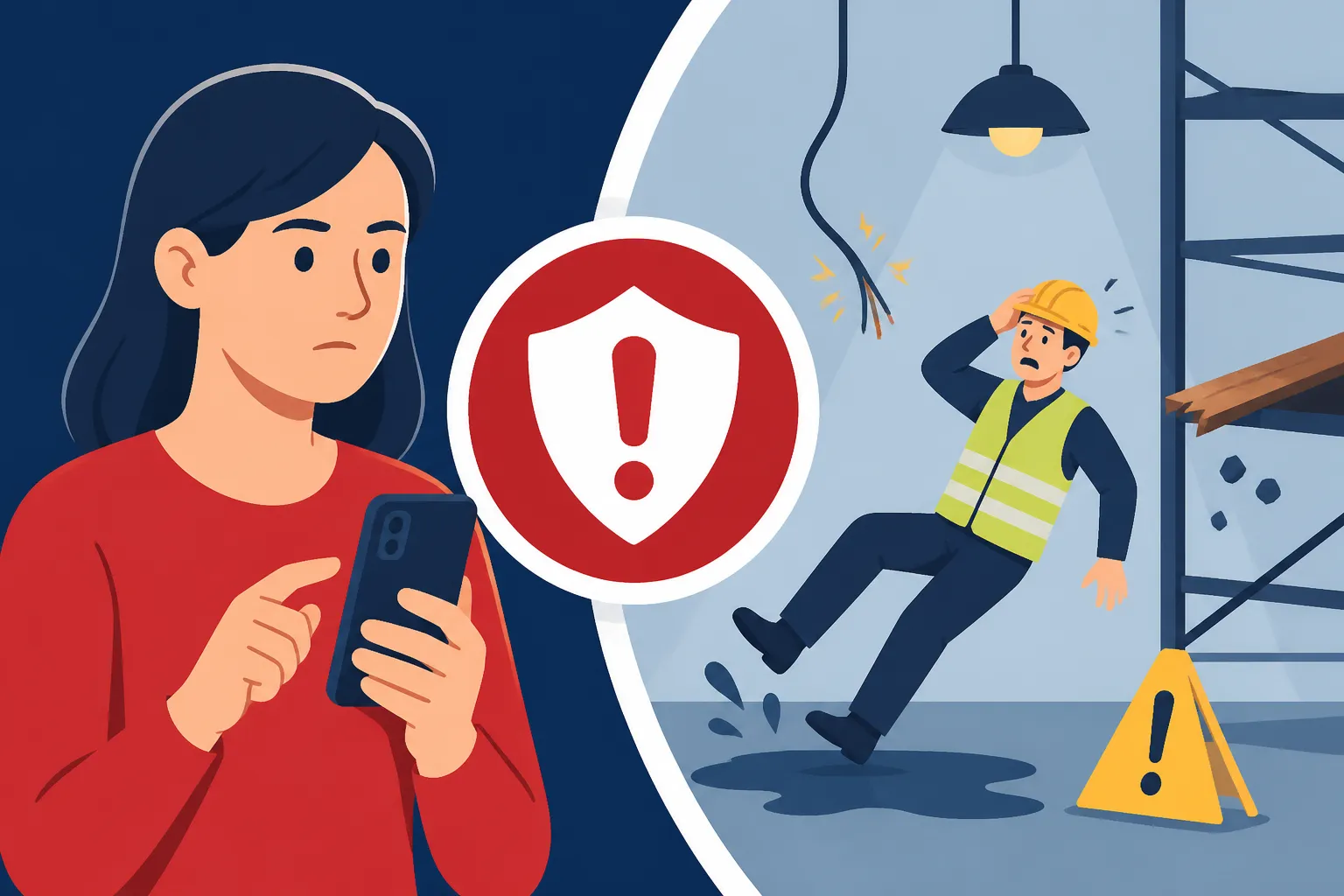
Firstly, there are the obvious physical dangers. This could involve poorly maintained machinery, lack of proper safety equipment (like helmets, gloves, or protective eyewear), inadequate fire safety measures, or exposure to hazardous chemicals without proper ventilation or training. For instance, if you're working in a factory and the emergency exits are routinely blocked, or if you're in construction and aren't provided with a hard hat on site, these are clear violations.
Secondly, ergonomic issues are a big one. Many office jobs, especially, can lead to repetitive strain injuries or chronic pain if workstations aren't set up correctly. This includes uncomfortable chairs, desks that are too high or low, poor lighting that causes eye strain, or a lack of breaks for those performing repetitive tasks. While it might seem minor, long-term exposure can lead to serious health problems.
Beyond the physical, the working environment also includes psychological factors. This is where things like workplace harassment and stress come into play. If you're experiencing excessive workload, bullying, discrimination, or threats from colleagues or management, these are also considered unsafe working conditions that can severely impact your mental health and productivity. Denmark has strong regulations around psychosocial work environment, acknowledging that a toxic atmosphere is just as harmful as a physical hazard. This can be especially tricky for expats who might struggle to differentiate between cultural directness and outright bullying, but if something consistently makes you feel unsafe or deeply uncomfortable, it's worth investigating.
Environmental factors such as excessive noise, extreme temperatures (too hot or too cold), poor air quality, or insufficient ventilation also fall under Arbejdstilsynet's purview. Even things like insufficient training for new tasks or lack of clear procedures can contribute to an unsafe environment, as they increase the risk of errors and accidents. Essentially, any condition that could reasonably lead to injury, illness, or significant psychological distress for an employee is something Arbejdstilsynet wants to know about.
The Reporting Process: Step-by-Step for Foreign Workers
Navigating a bureaucratic system in a foreign language can feel like trying to solve a Rubik’s Cube blindfolded. But fear not, reporting unsafe conditions to Arbejdstilsynet is designed to be accessible, even for those of us who haven’t quite mastered Danish yet.
Before You Report: Internal Channels and Documentation
Before you jump straight to calling Arbejdstilsynet, it’s often a good idea, if feasible and safe, to try and address the issue internally first. This isn’t a legal requirement, but it can sometimes resolve the problem more quickly and maintain better relations at your workplace.
Your first point of contact should generally be your immediate supervisor or manager. Describe the unsafe condition clearly and objectively, explaining the potential risks. If your workplace has an Arbejdsmiljørepræsentant (AMR) – a health and safety representative – they are an excellent resource. This person is trained to identify and address workplace safety issues and acts as a bridge between employees and management. Many larger companies will have an AMR, and they are usually very approachable and knowledgeable. You can learn more about The Role of the Arbejdsmiljørepræsentant (AMR) by checking out our other resources.
It’s also crucial to document everything. I can’t stress this enough! Write down dates, times, specific incidents, names of people involved, and any conversations you have about the issue. Take photos or videos if it’s safe and permissible to do so. Keep copies of any emails or written communication. This documentation will be invaluable if the problem persists or if you need to make a formal report. Even if you haven't mastered Danish, jotting down notes in English can still serve as vital evidence.
If internal discussions don't lead to a satisfactory resolution, or if you feel unsafe reporting internally (e.g., if your employer is known for retaliation), then it's time to consider Arbejdstilsynet. Don't put yourself at further risk if you genuinely believe reporting internally will make things worse.
How to File a Report with Arbejdstilsynet
Once you’ve decided to report, Arbejdstilsynet offers several channels, and thankfully, they are quite accessible for English speakers.
The easiest and most common way to report is through their online form. You can usually find this on the Arbejdstilsynet website (www.at.dk). They have an English section, or you can use browser translation tools to navigate the Danish site. The form will ask for details about the company (name, address, CVR number if you have it), the nature of the unsafe condition, when and where it occurred, and any supporting documentation you might have. Be as specific and detailed as possible. Remember all that documentation you gathered? This is where it comes in handy.
If you prefer to speak to someone, you can call their main line. They often have English-speaking staff available, or they can arrange for a translator. The number can be found on their website. Calling can be particularly useful if you’re unsure whether your situation falls under their jurisdiction or if you need immediate advice for an acute danger.
When filling out the form or speaking to them, you can choose to remain anonymous. This is a critical protection for many foreign workers who fear repercussions. Arbejdstilsynet takes anonymity seriously and will not disclose your identity to your employer.
Here's a quick overview of reporting methods:
| Method | Description | Pros | Cons |
|---|---|---|---|
| Online Form | Available on www.at.dk. Fill out details about the company, the unsafe condition, and upload any evidence. | Easy to use, accessible 24/7, allows for detailed input and attachment of documents. | Requires a certain level of detail and organization on your part. |
| Phone Call | Call Arbejdstilsynet's main number (found on their website). Speak directly to a representative. | Direct communication, immediate advice, can clarify doubts. | Might require waiting times, language barrier can sometimes be an issue if English staff aren't immediately available. |
| Email (Less Common) | For specific cases or follow-ups, email can be used, but the online form or phone call is usually preferred for initial reports. | Provides a written record. | Less direct for initial reporting, might not be monitored as closely as the dedicated reporting channels. |
When you report, be factual. Stick to what you observed or experienced. Avoid emotional language or speculation. The more concrete information you provide, the better Arbejdstilsynet can assess the situation and take action.
What Happens After You File a Report?
Once you’ve made your report, the wheels of the Danish working environment system start turning. Arbejdstilsynet will assess your complaint. They prioritize cases based on the severity of the potential risk. An immediate and serious risk (e.g., a structural hazard that could cause collapse) will naturally be handled with much greater urgency than, say, a poorly adjusted office chair.
If the report indicates a serious or credible risk, Arbejdstilsynet will typically launch an investigation. This usually involves an unannounced inspection of the workplace. Inspectors will visit the site, observe conditions, interview employees (including, potentially, you, if you didn't report anonymously), and speak with management and the AMR. They will look for evidence of violations of the working environment legislation.
During their inspection, they will document findings and, if violations are found, issue orders to the company to rectify the issues. These orders come with deadlines, and Arbejdstilsynet will follow up to ensure compliance. In severe cases, they can impose prohibitions on certain activities, issue fines, or even refer cases to the police for criminal prosecution, though this is rare and reserved for the most egregious violations.
If you provided contact details and did not report anonymously, you might receive updates on the case, though the level of detail can vary depending on the nature of the investigation. Remember, the process might not always feel instant. Bureaucracy moves at its own pace, even in Denmark, but rest assured that your report is taken seriously.
Your Rights and Protections as a Foreign Employee
Feeling secure in your rights is paramount, especially when navigating something as sensitive as workplace safety. As an expat, you have the same protections as any Danish citizen.
Anonymity and Protection Against Retaliation
One of the most significant concerns for many foreign workers when considering reporting an employer is the fear of retaliation. Will I be fired? Will my visa be affected? These are valid anxieties that often prevent people from speaking up.
However, Denmark's working environment laws offer robust protections. As mentioned, you can choose to make an anonymous report to Arbejdstilsynet. They are legally bound to protect your identity, meaning your employer will not know who filed the complaint. This is a crucial safeguard, particularly if you're in a vulnerable position or if you fear losing your job.
Furthermore, Danish law prohibits employers from retaliating against employees who report unsafe conditions or raise legitimate safety concerns. Dismissal or negative treatment as a direct consequence of a safety complaint is illegal. If you believe you have faced retaliation after making a report, you should immediately contact your trade union (if you're a member), or seek legal advice. Our article on Trade Unions and A-Kasse: Why Every Expat Must Understand Them can offer more insights into the support structures available. Such acts of retaliation are serious offenses and can lead to significant penalties for the employer. You are not alone, and the system is designed to protect whistleblowers.
The Role of the Arbejdsmiljørepræsentant (AMR)
We touched upon the AMR earlier, but let’s delve a bit deeper into their vital role. The Arbejdsmiljørepræsentant (AMR) is the employee-elected health and safety representative, a cornerstone of the Danish working environment system. This isn’t just a fancy title; it’s a position of real responsibility and influence.
The AMR is responsible for representing their colleagues' interests in all matters related to health and safety. They participate in the company's working environment organization (AMO), which is a committee comprising management representatives and employee representatives, specifically tasked with planning, organizing, and implementing safety measures.
For you as an expat, your AMR can be an invaluable ally. They are often the first point of contact for safety concerns and are knowledgeable about company-specific procedures and general Danish regulations. They can investigate your concerns, bring them to management's attention, and help push for solutions. Critically, they also have a protected status, meaning they cannot be dismissed or disadvantaged for performing their duties as an AMR. This protection allows them to advocate freely on behalf of their colleagues without fear of reprisal.
If your workplace has an AMR, get to know who they are. They are there to serve you and your colleagues. Approaching them can sometimes resolve issues quickly and informally, without the need for an external report to Arbejdstilsynet. They are also excellent sources of information regarding your specific workplace's safety protocols and your rights under Danish law.
Navigating the System: Tips for Expats
Let’s be real: bureaucracy in a new country can be tough, even for the most seasoned expat. It’s not just about understanding the rules; it’s about navigating the practicalities.
Overcoming Language Barriers in Reporting
The language barrier is a classic expat struggle in Denmark. While many Danes speak excellent English, official documents and conversations can sometimes revert to Danish. When it comes to something as important as reporting unsafe working conditions, you want to be absolutely sure your message is understood.
As mentioned, Arbejdstilsynet does offer assistance in English, either directly through English-speaking staff or by arranging an interpreter. Don't hesitate to explicitly request this. When filling out online forms, take your time and use reliable translation tools if needed. Better yet, write your report in English first, ensuring clarity, and then translate it section by section, cross-referencing to ensure accuracy.
Consider reaching out to a trusted Danish-speaking friend or colleague to help you review your report before submission. If you're a member of a trade union, they will almost certainly have staff who can assist you in English and even help you formulate your complaint or act as intermediaries. Their expertise in both language and legal matters is priceless.
If you're looking to improve your Danish, services like iTalki can connect you with native speakers for lessons, which can slowly build your confidence in handling such situations independently. While it won't solve an immediate crisis, investing in language skills is a long-term strategy for empowerment in Denmark.
When to Seek External Advice
Sometimes, things are simply too complex, too sensitive, or too urgent to handle alone. This is when seeking external, professional advice becomes crucial.
Trade Unions: I cannot emphasize enough the importance of joining a trade union in Denmark. They are not just for collective bargaining; they are your personal advocates in many workplace matters, including safety. If you have concerns about unsafe conditions, potential retaliation, or simply need clarity on your rights, your union is often the first and best place to turn. They have legal experts who specialize in Danish labor law and can guide you through the reporting process, represent you, and ensure your rights are protected. They can also assist with other aspects of your employment, such as understanding your Employment Rights: Contracts, Holiday Law, and Maternity Leave or addressing issues like Workplace Harassment and Stress: Your Rights to Union Representation.
Legal Counsel: In very serious or complex cases, especially if you fear severe retaliation or if there's an ongoing dispute with your employer, you might consider engaging an independent lawyer specializing in employment law. While this can be costly, some trade unions offer legal assistance as part of their membership, and some law firms offer initial consultations.
Your Home Country Embassy/Consulate: While they can't directly intervene in a labor dispute, your embassy or consulate might be able to provide general advice, lists of English-speaking lawyers, or simply offer support and guidance on navigating the local system.
Remember, seeking help is a sign of strength, not weakness. Denmark has a strong social safety net and legal framework designed to protect workers, and that includes you. Don't hesitate to use the resources available to ensure your workplace is safe and healthy. And hey, while we're on the topic of navigating foreign systems, remember that services like Taxes for Expats can help untangle those other complex threads of Danish life, ensuring you're compliant with your tax obligations back home while enjoying your new life here.
Disclaimer
Please note that the information provided in this guide is for general informational purposes only and does not constitute legal advice. While we strive to provide accurate and up-to-date information, laws and procedures can change. It is always recommended to consult with Arbejdstilsynet directly, a trade union, or a legal professional for specific advice regarding your individual situation.