EU/EEA Citizens: Registering for a Residence Certificate (Bevis for Registrering)
Alright, my fellow EU/EEA adventurers! So you've set your sights on Denmark, perhaps charmed by the hygge, the stunning design, or the promise of a robust welfare system. You've heard whispers of the "Bevis for Registrering," or Residence Certificate, and it sounds like just another piece of paper in the often-overwhelming Danish administrative puzzle. But trust me, this isn't just a formality; it's your golden ticket to truly settling in. This guide will meticulously break down why you need it, who needs it, and exactly how to get your hands on this crucial document, cutting through the confusion of Danish bureaucracy for EU/EEA citizens.
Understanding the Bevis for Registrering – Why It Matters
Let's face it, moving to a new country is a whirlwind of excitement and, let's be honest, a good chunk of head-scratching. For my non-EU friends, the visa process is complex, but for us EU/EEA citizens, it often feels like we're in a strange no-man's land where we can just arrive, but then suddenly, everyone's asking for a piece of paper you didn't even know existed. The "Bevis for Registrering" is precisely that paper, and it’s far more than just a bureaucratic tick-box. It's the official acknowledgement of your right to reside in Denmark, stemming directly from EU law, and without it, your integration into Danish society will grind to a halt.
What is a Residence Certificate and Who Needs It?
At its core, the Bevis for Registrering is the formal document from the Danish authorities, specifically the Danish Agency for International Recruitment and Integration (SIRI), confirming that you, as an EU/EEA citizen, are exercising your right to free movement and residence in Denmark. Think of it as your official "welcome to the neighborhood" card, albeit one you have to apply for. While you have the right to enter and stay in Denmark for up to three months without any special registration, if you plan to stay longer—and let's be real, you wouldn't be reading this if you weren't—this certificate becomes absolutely essential.
Who needs it? Any citizen of an EU member state, an EEA country (Norway, Iceland, Liechtenstein), or Switzerland who intends to stay in Denmark for more than three months. This applies whether you're here to work, study, join a family member, or if you're independently wealthy and just fancy a change of scenery. It's the foundational document that then unlocks virtually everything else you'll need to do in Denmark.
The Legal Basis: EU Freedom of Movement vs. Danish Bureaucracy
Now, you might be thinking, "But aren't I allowed to live anywhere in the EU?" Yes, absolutely, that's the beauty of the free movement principle! However, while you have that inherent right, individual member states have the right to register your presence, especially when you plan for a long-term stay. Denmark, like other EU countries, needs to know who is residing within its borders, primarily for administrative purposes like taxation, healthcare, and social services.
The Danish process for obtaining the Bevis for Registrering is governed by the EU rules on freedom of movement for persons, but it's implemented through national legislation. This is where the Danish bureaucracy steps in. You'll primarily interact with SIRI (SIRI: Processing Times, Biometrics, and Appeals), which is the governmental agency responsible for handling these applications. While the intent is to facilitate your stay, the process can sometimes feel rigid, requiring specific documentation that can be frustrating to gather, especially if you're unfamiliar with the Danish way of doing things. Remember, it's not about questioning your right; it's about confirming your status under one of the specific categories the EU allows for long-term residence.
The Connection to Your CPR Number and Other Rights
This Residence Certificate is the absolute gateway to acquiring your highly coveted CPR number. I cannot stress this enough: without a Bevis for Registrering, you cannot get a CPR number, and without a CPR number, you are stuck in a bureaucratic limbo.
What's so important about the CPR number? It's your personal identification number, similar to a social security number, and it's intertwined with almost every aspect of life in Denmark.
- Healthcare: It's your key to the public healthcare system and getting your Yellow Health Card (Sundhedskort): Your Key to Danish Healthcare.
- Banking: You'll need it to open a Danish bank account and set up your NemKonto and MitID: The Core of Danish Digital Finance (2026).
- Employment: Employers will require it for your salary, tax, and pension contributions.
- Housing: Essential for registering your address when you rent in Denmark: Complete Guide for Expats.
- Education: Required for university registration, student grants, and library access.
- Contracts: Pretty much any contract you sign, from phone plans to gym memberships, will ask for your CPR.
So, while the Bevis for Registrering itself isn't a physical card you flash around, it's the invisible bridge that connects your EU right to reside with the tangible benefits and necessities of living in Denmark. Without it, you’re basically a long-term visitor, not a resident, and many doors will remain closed. This is precisely why understanding and securing this document is the very first, critical step after you've landed.
Eligibility: Are You Actually Covered by EU Rules?
One of the biggest misunderstandings for EU/EEA citizens is the assumption that simply having an EU passport is enough. While it gets you past border control, Denmark, like other member states, requires you to justify your long-term stay under one of the specific categories laid out in EU law. This isn't about denying your right to free movement; it's about ensuring you have a legitimate basis for staying beyond the initial three months without becoming a burden on the host country's social system. It’s a logical check, and you’ll need to prove which category you fall into.
The 'Basis for Residence' Categories
SIRI will classify your residence based on your primary purpose for being in Denmark. It's crucial that you understand these categories and can provide the necessary documentation to support your claim. There are typically five main categories for EU/EEA citizens:
-
Worker (Arbejdstager): This is the most common and often the most straightforward category. You are considered a worker if you have an employment contract with a Danish employer. This includes both full-time and part-time positions, as long as the work is genuine and not marginal. This is where most expats land, having secured a job before or shortly after arriving. For those of you looking into Job Hunting in Denmark: Strategies for English-Speaking Expats, securing that contract is step one.
-
Self-Employed Person (Selvstændig Erhvervsdrivende): If you're running your own business, freelancing, or working as a contractor in Denmark, this category applies to you. The key here is to demonstrate that your business activities are genuine and that you have sufficient funds to support yourself. This often requires showing business registrations, contracts with clients, or proof of income.
-
Student (Studerende): If you've come to Denmark to pursue higher education, you'll apply as a student. The main requirements are that you're enrolled in a state-recognised educational institution, have sufficient funds to support yourself (without relying on social assistance), and possess comprehensive health insurance coverage (either through an EHIC card or private insurance). For those navigating Studying in Denmark: Admissions, Student Visas, and Campus Life, this is your path.
-
Self-Sufficient Person (Person med Tilstrækkelige Midler): This category is for those who are not working or studying but have enough financial resources to support themselves and any accompanying family members without needing public assistance. This usually means demonstrating substantial savings, pension income, or other stable financial assets. You'll also need comprehensive health insurance. This category often applies to retirees or individuals with passive income.
-
Family Member (Familiemedlem): If you are a family member of an EU/EEA citizen who already falls into one of the above categories (or is also applying under one), you can apply for residence as their dependent. This includes spouses, registered partners, children under 21 (or dependent children of any age), and dependent parents. For non-EU family members, the process is slightly different but still falls under the EU rules for family reunification, often involving a bit more paperwork and specific considerations for their own right to reside in Denmark.
Proving Your Status: What Documents Do You Need?
The success of your application hinges entirely on providing clear, accurate, and complete documentation that supports your chosen category. SIRI will not take your word for it, and any missing or incorrect documents will lead to delays. Many expats get caught in this trap.
Here’s a general rundown of what you’ll need, but always check the official SIRI website for the most up-to-date and specific requirements for your category:
- Valid Passport or National ID Card: This is a given, proving your EU/EEA/Swiss citizenship. Make sure it's not expiring anytime soon!
- The Application Form: SIRI's application form (OD1 or OD2, depending on if you're applying alone or with family) needs to be downloaded, filled out, and signed.
- Proof of Purpose (Specific to your category):
- Worker: Employment contract (in Danish or English, with start date, salary, and working hours), recent payslips if you've already started working.
- Self-Employed: CVR registration number (Danish business registration), recent invoices, business bank statements, contracts with clients, a business plan.
- Student: Letter of admission from a Danish educational institution, proof of tuition payment, proof of sufficient funds (bank statements showing at least DKK 6,801 per month, this number is an estimate for 2026 and subject to change, so always check current SIRI guidelines), and proof of comprehensive health insurance. If you're an EU citizen using your EHIC card, that counts, but make sure it's valid.
- Self-Sufficient: Bank statements showing substantial savings (again, a significant amount required, check current SIRI figures), pension statements, property ownership documents, and proof of comprehensive health insurance (EHIC or private).
- Family Member: Marriage certificate (if applicable), birth certificates (for children), proof of the main applicant's residence certificate/status, and proof of dependency for adult children or parents.
Crucial Note on Translations: If any of your supporting documents (like marriage certificates, birth certificates, or detailed employment contracts) are not in Danish, English, German, Norwegian, or Swedish, you will need to get them officially translated by a sworn translator. This isn't an area to cut corners. Services like RushTranslate and Translayte are often used by expats for reliable and officially recognized translations, saving you a huge headache down the line. Don't show up with a Google Translate printout; they will not accept it.
Here’s a simplified table to help you visualize common requirements:
| Category | Core Purpose | Key Documents (Examples) | Health Insurance Req. |
|---|---|---|---|
| Worker | Employed in Denmark | Employment Contract, Payslips, CVR of Employer | Covered by Danish system |
| Self-Employed | Operating a business/freelancing | CVR registration, Client Contracts, Invoices, Business Bank Statements | Covered by Danish system |
| Student | Enrolled in Higher Education | Admission Letter, Proof of Funds (bank statements), EHIC Card or Private Insurance | EHIC / Private Insurance |
| Self-Sufficient | Independent means, not working/studying | Proof of Substantial Funds (savings, pension), EHIC Card or Private Insurance | EHIC / Private Insurance |
| Family Member | Joining EU/EEA family already residing/applying | Marriage/Birth Certificates, Proof of Relationship, Main Applicant's Residence Docs, Proof of Dependency (if applicable) | Dependent on Main Applicant |
Remember, this table is a general guide. Always, always check the official SIRI website (www.siri.dk) for the precise and most current list of documents tailored to your specific situation. Gathering everything meticulously before your appointment is vital for a smooth process.
The Application Process: Navigating the SIRI Maze
Now that you know what you need and why, let's talk about the dreaded how. The application process for the Bevis for Registrering is primarily handled by SIRI, but depending on your location, you might have to go to a local police station. It's a structured process, but knowing the nuances can save you a lot of stress.
Booking Your Appointment
Historically, you might have heard tales of walking into police stations to apply, but those days are largely over. For most EU/EEA citizens applying for a residence certificate in Denmark, you'll need to book an appointment with SIRI.
- Online Booking is King: The vast majority of appointments are now booked online through SIRI's website. You'll select your nearest SIRI branch (Copenhagen, Aarhus, Odense, Aalborg, or potentially smaller regional offices) and choose an available time slot. Be prepared that popular locations, especially Copenhagen, can have waiting times for appointments, so book well in advance if you can.
- What to Expect During Booking: You'll typically need to select the type of application you're making (e.g., "Registration certificate for EU/EEA citizens") and indicate how many people are applying (e.g., if you're bringing family).
- Regional Differences: While SIRI offices handle the main applications, some smaller municipalities or remote areas might still direct you to a local police station for initial registration. However, SIRI remains the ultimate authority for processing the application. It's always a good idea to double-check the specific instructions for your municipality on SIRI's website or Borger.dk. Do not just show up; an appointment is almost always mandatory.
Required Documents: The Checklist You Can't Afford to Miss
I can't emphasize this enough: come prepared! Missing a single document can result in your application being rejected or significantly delayed, forcing you to rebook and start over. Imagine waiting weeks for an appointment only to be turned away because you forgot a single piece of paper – it's a common expat nightmare.
Based on the categories we discussed, here's a detailed checklist, but always confirm with SIRI's official guidance:
- Application Form: The specific form (OD1 or OD2 for family) downloaded from SIRI's website, completed in full, and signed. No blank fields, no vague answers.
- Valid Passport or National ID Card: Original and a photocopy. Your passport should ideally have at least 6 months of validity left.
- Proof of Legal Residence Basis (as discussed in the previous section):
- Worker: Original employment contract (with start date, salary, working hours), recent payslips (if any), and a letter from your employer confirming your employment.
- Self-Employed: CVR registration document, business plan, recent invoices, bank statements showing business activity, and potentially client contracts.
- Student: Original letter of admission from a Danish educational institution, proof of tuition fees paid, bank statements showing sufficient funds (ensure they meet SIRI's current minimum requirement for self-sufficiency), and your valid European Health Insurance Card (EHIC) or proof of private health insurance.
- Self-Sufficient: Bank statements showing substantial savings or other income sources (pension statements, investment income proof), and your valid EHIC or proof of private health insurance.
- Family Member: Marriage certificate (original and copy, officially translated if not in accepted languages), birth certificates for children (original and copy, officially translated), proof of the main applicant's residence certificate or ongoing application, and proof of dependency if applicable (e.g., for parents or adult children).
- Proof of Address: This is usually not required at the SIRI appointment itself but will be crucial for the next step, CPR registration. However, having a temporary address for correspondence is helpful.
- Passport Photos: Sometimes required, so it's best to bring a couple of recent, compliant passport-style photos, even if they aren't explicitly listed for EU/EEA applications anymore. Better safe than sorry!
Document Translation Reminder: Again, if any of your documents are not in Danish, English, German, Norwegian, or Swedish, you must have them officially translated. This means a translation by a sworn translator. Don't risk rejection; use reputable services like Translayte or RushTranslate. Make sure to bring both the original document and the official translation.
The Interview Day: What to Expect at SIRI
Your appointment day can feel a bit like a hurdle race. You've gathered all your papers, possibly practiced your answers, and now it's time for the real deal.
- Punctuality: Danes are big on punctuality. Arrive a little early for your appointment. Being late might mean your slot is given away, or you face a long wait.
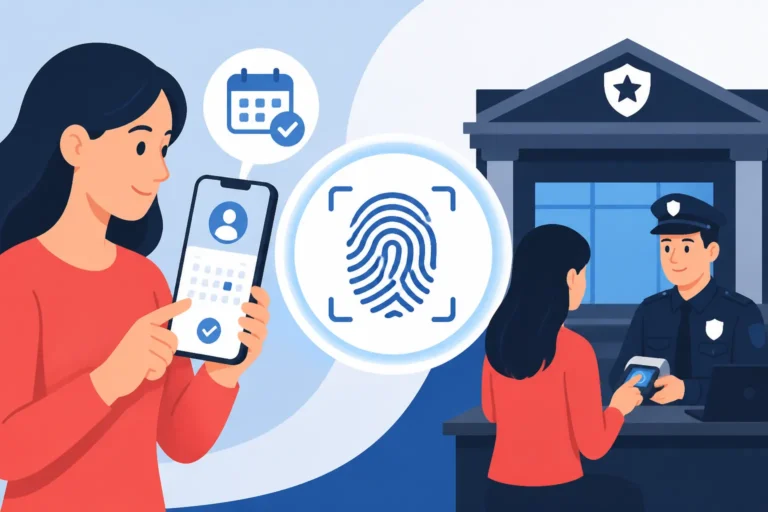
- Check-in: Upon arrival at a SIRI office, you’ll typically check in using a digital terminal, often by scanning a barcode from your appointment confirmation or entering a booking number. You’ll then get a queue number.
- The Wait: There will almost certainly be a wait. Bring a book, your phone, or mentally prepare for some downtime.
- The Interview: When your number is called, you'll go to a counter or a private room. An officer will review your application form and all your supporting documents. They will check originals and take copies. They might ask you questions about your purpose in Denmark, your work, your finances, or your relationship to family members (if applicable).
- Be Honest and Clear: Answer all questions truthfully and clearly. Don't waffle or try to guess answers. If you don't understand a question, ask for clarification. Most SIRI staff speak excellent English.
- Show All Documents: Present all the documents you've prepared, even if they don't explicitly ask for them initially. It shows you're prepared.
- Biometrics (Less Common for EU/EEA, but be aware): While typically required for non-EU visas, biometrics (fingerprints and a photo) are not usually required for EU/EEA citizens obtaining the Bevis for Registrering. However, this could change, or certain exceptions might apply, so always follow the specific instructions you receive.
- Confirmation: If everything is in order, the officer will usually issue you a temporary residence certificate on the spot, or at least a confirmation that your application has been accepted for processing. This temporary document is crucial as it allows you to proceed to the next step: CPR registration.
The process itself is designed to be efficient if you're well-prepared. The goal isn't to trip you up, but to ensure you meet the legal requirements.
After You Apply: Waiting, Next Steps, and What Can Go Wrong
You’ve done it! You’ve survived the appointment at SIRI, presented your meticulously organised documents, and maybe even got a temporary piece of paper. The immediate relief is palpable. But the journey isn't quite over yet. There’s a crucial waiting period and, more importantly, the next set of administrative hurdles to clear.
Processing Times and How to Track Your Application
Once you’ve submitted your application and it’s been deemed complete at your SIRI appointment, the actual processing of your Bevis for Registrering typically moves quite quickly for EU/EEA citizens. Often, if all documents are in order, you might even receive your official certificate by post within a few weeks. However, "a few weeks" can sometimes stretch, especially during peak application periods or if there's any ambiguity in your documents.
- Direct Issuance: In many straightforward cases, especially for workers, SIRI can issue the actual Bevis for Registrering certificate directly to you by postal mail shortly after your appointment. This will be sent to the address you provided.
- Tracking (Limited): Unlike non-EU visa applications, there isn't typically a robust online tracking system for EU/EEA residence certificates through SIRI. Your main 'tracking' will be the wait for the postal delivery. If you provided an email address, you might receive updates, but this isn't guaranteed.
- Contacting SIRI: If you haven't received your certificate within the expected timeframe (e.g., 4-6 weeks), you can try contacting SIRI’s helpline. Be prepared for potential waiting times on the phone. Remember to have your application number or personal details ready. You can find more details about general SIRI processing times on their dedicated page, though it's often more tailored to non-EU applications.
Getting Your CPR Number: The Next Crucial Step
This is it! This is the real prize you've been working towards. With your temporary confirmation or your actual Bevis for Registrering in hand, you can finally apply for your CPR number. This process is handled by your local municipality (kommunen), not SIRI.
- Book an Appointment with the Citizen Service (Borgerservice): Just like SIRI, you'll almost certainly need to book an appointment online with your local Borgerservice. Search for "Borgerservice [Your Municipality Name] CPR" and look for their online booking system.
- Required Documents for CPR:
- Your valid passport or national ID.
- Your original Bevis for Registrering (or the temporary confirmation you received from SIRI).
- Proof of Address! This is non-negotiable. You need a Danish address where you are actually living. This means a rental contract, a letter from your landlord, or a document proving you reside at that address. The Catch-22: Getting a CPR Number Without a Permanent Address is a common frustration, so make sure your housing is sorted before this step.
- Marriage certificate (if applicable, for spouses).
- Birth certificates (for children).
- What Happens at Borgerservice: They will review your documents, enter your information into the national register, and usually, your CPR number will be assigned on the spot. You'll then receive a printout confirming your CPR number, and your Yellow Health Card (Sundhedskort) will be sent to your registered address a few weeks later. This card is your official proof of residence and health insurance entitlement.
Once you have your CPR number, the real integration can begin! You can open your bank account, set up NemKonto, register for digital mail (e-Boks), and get on with building your life in Denmark. It genuinely feels like unlocking a whole new level.
Common Pitfalls and How to Avoid Delays
Even with the best preparation, things can sometimes go sideways. Here are some common issues expats face and how to navigate them:
- Incomplete Documentation: This is the number one reason for delays. Double-check, triple-check, and then ask a Danish friend to check your documents against SIRI's list. Bring originals and copies.
- Incorrect Translations: Using a non-certified translator for official documents will lead to rejection. Invest in professional services like RushTranslate or Translayte from the outset.
- Ambiguous Purpose of Stay: Be very clear about your category (worker, student, etc.) and ensure your documents unequivocally support it. Don't try to fit into a category you don't truly qualify for.
- Proof of Funds for Students/Self-Sufficient: Make sure your bank statements clearly show sufficient funds for the required period, and that these funds are genuinely available to you. SIRI is quite strict on the minimum amounts.
- No Valid Address for CPR: You cannot get a CPR without a legitimate, registered address. Don't try to use an Airbnb or a friend's couch if it's not formally registered. Landlords must agree to your CPR registration at the address.
- Expired Documents: Check the validity of your passport, ID card, and any insurance documents.
- Not Booking Appointments: Both SIRI and Borgerservice operate on an appointment-only basis for these critical services. Don't turn up hoping for a walk-in, as you'll likely be turned away.
- Communication Issues: If you're struggling to understand the Danish instructions, ask for help from a Danish speaker or a relocation service. Don't guess.
By being meticulous and proactive, you can significantly smooth out this initial administrative phase. It might feel like a lot of hoops to jump through, but once you have that Bevis for Registrering and CPR number, the rest of your Danish journey becomes much more manageable.
Specific Scenarios & Special Cases
The general rules apply to most, but Denmark’s administrative system also has specific considerations for various situations. It’s worth delving into these to ensure you're on the right track from the very beginning. Remember, proving your category effectively is paramount.
Students: Proving Self-Sufficiency and Study Program
For students from EU/EEA countries, the path to a Bevis for Registrering often involves demonstrating financial independence and a genuine commitment to your studies. You’re not just here for a long holiday; you’re here to learn!
- Enrollment Confirmation: Your official letter of admission from a state-recognized Danish educational institution is non-negotiable. It should confirm your enrollment, the program you’re pursuing, and its duration.
- Proof of Funds: This is a big one. You need to show SIRI that you can support yourself financially without relying on Danish social benefits. This typically means providing bank statements in your name showing a specific amount available for each month of your stay. As mentioned earlier, this figure is an estimate around DKK 6,801 per month (check current SIRI guidelines as this number is subject to change annually). This money needs to be genuinely accessible. If a parent is supporting you, you might need a formal declaration of support and their bank statements.
- Comprehensive Health Insurance: While your European Health Insurance Card (EHIC) is often sufficient, ensure it's valid for your entire stay. If it's not, or if you prefer additional coverage, you might need to show proof of private health insurance. Do not overlook this; the Danish public healthcare system (Healthcare in Denmark for Foreign Residents: Complete System Guide (2027)) is amazing, but you need to be properly registered to access it fully.
- Work During Studies: Many students work part-time to supplement their income. As an EU/EEA citizen, you generally have the right to work full-time while studying without specific work permit restrictions beyond your residence certificate. However, ensure any income earned doesn't inadvertently disqualify you from student benefits or impact your 'self-sufficient' status during the application.
Self-Employed and Freelancers: Unique Documentation
If you're an entrepreneur, a freelancer, or running your own show, your documentation needs to clearly establish your genuine economic activity in Denmark. SIRI needs to see that you're not just 'claiming' to be self-employed but actually contributing economically.
- CVR Registration: The first step is to register your business with the Danish Business Authority to get a CVR number (Centrale Virksomhedsregister). This is your official business identification.
- Business Plan: While not always strictly mandatory for EU/EEA, a concise business plan outlining your services, target market, and financial projections can strengthen your application by demonstrating seriousness.
- Client Contracts & Invoices: Provide copies of contracts with Danish or international clients, demonstrating ongoing or imminent work. Invoices issued and proof of payments received will also be strong evidence.
- Bank Statements: Show bank statements (personal or business, if you’ve already set up an erhvervskonto) reflecting income from your self-employment.
- Tax Information: If you've been operating for a while, providing proof of tax payments (e.g., Moms, B-income tax) can also support your case.
- Health Coverage: Similar to workers, once you are registered as self-employed and paying taxes, you are covered by the Danish public health system.
This category often requires a bit more foresight in terms of documentation, as you’re creating your own employment rather than relying on an employer's contract. Keep meticulous records!
Family Members of EU/EEA Citizens (Non-EU Spouses/Children)
This is a particularly sensitive and often complex area. If you, as an EU/EEA citizen, are bringing non-EU family members (e.g., a spouse, children, or dependent parents), their right to reside in Denmark is derived from your right. This means your Bevis for Registrering application must be approved first, or at least concurrently.
- Derived Rights: The non-EU family member's residence permit (also a 'Bevis for Registrering,' but with a slightly different legal basis and often a physical residence card) is dependent on your status as an EU/EEA citizen exercising your treaty rights (e.g., working, studying, being self-sufficient).
- Proof of Relationship: Unsurprisingly, you'll need official documentation proving your family ties:
- Marriage Certificate: For spouses or registered partners. Ensure it's original, recent, and officially translated if not in Danish/English/German/Norwegian/Swedish.
- Birth Certificates: For children. Again, originals and official translations.
- Proof of Dependency: For adult children (over 21) or parents, you'll need to demonstrate that they are genuinely dependent on you for financial support or care. This often involves detailed bank statements, money transfers, or medical records.
- Health Insurance: Non-EU family members, especially those entering as self-sufficient dependents, may need to show proof of comprehensive private health insurance until they are fully integrated into the Danish public health system.
- Joint Application: Often, it's best to apply for your Bevis for Registrering and your non-EU family member's residence card concurrently. SIRI has a specific form (OD2) for this purpose. Be prepared for slightly longer processing times for non-EU family members, as their applications often involve more scrutiny.
- The 24-Year Rule and Housing Demands: While the infamous 24-year rule and specific housing demands primarily apply to family reunification under Danish national law (e.g., a Danish citizen bringing a non-EU spouse), it’s important to be aware that even under EU rules, SIRI will want to ensure the relationship is genuine and that the family will not become a burden on public funds. For more detailed insights into this, you might explore content on Family Reunification (Familiesammenføring) in Denmark: Rules and Realities.
Navigating these specific scenarios requires careful attention to detail and a thorough understanding of the documentation required. Don't hesitate to seek advice from the official SIRI guidance or, if necessary, an immigration lawyer for complex cases.
Beyond the Initial Certificate: Permanent Residence and Citizenship
Getting your Bevis for Registrering is a fantastic first step, truly opening the doors to life in Denmark. But for many, especially those who fall in love with the country (and who wouldn't?), it's just the beginning of a longer journey towards full integration. What comes next if you plan to stay indefinitely?
From Temporary Certificate to Permanent Residence
Your initial Bevis for Registrering is, by definition, a confirmation of your temporary right to reside based on your current activity (work, study, etc.). After a period of continuous legal residence, you can apply for Permanent Residency (Permanent Opholdstilladelse) in Denmark. For EU/EEA citizens, the rules are generally more straightforward than for non-EU citizens, reflecting your inherent rights under EU law.
- The Five-Year Rule: As an EU/EEA citizen, you generally acquire the right to permanent residence in Denmark after having resided legally and continuously in the country for five years. This means you must have maintained your status as a worker, self-employed person, student, or self-sufficient person (or a combination thereof) during this entire period.
- Applying for Permanent Residence: You will apply for this through SIRI, using a specific application form. You’ll need to prove your continuous legal residence over the five-year period, often by providing documentation such as:
- Your initial Bevis for Registrering.
- Employment contracts and payslips for the five years (if working).
- Tax returns (Årsopgørelse) from SKAT.
- Records of education (if a student).
- Proof of consistent address registration (via CPR records).
- Automatic Right vs. Formal Document: While the right to permanent residence is often acquired automatically under EU law after five years, it is highly recommended to apply for the formal document from SIRI. This "Permanent Residence Card" (or confirmation) makes future interactions with authorities much smoother and is often a prerequisite for eventually applying for citizenship. It also provides greater security against changes in your personal circumstances, like job loss.
- Breaks in Residence: Be mindful of significant breaks in your residence. Long periods spent outside Denmark can reset the five-year clock, so if you travel extensively, understand the rules for maintaining your continuous residence.
The Path to Danish Citizenship
For many, permanent residence is a stepping stone to Danish Citizenship (Statsborgerskab): Tests, Timelines, and Requirements. Becoming a Danish citizen means gaining full political rights, including the right to vote in national elections and holding a Danish passport. This process is generally more demanding than obtaining permanent residence, with stricter requirements.
- Longer Residence Period: Typically, you need to have resided in Denmark for a longer period than for permanent residence, often 8-9 years, though this can be shortened in certain circumstances (e.g., being married to a Danish citizen, having completed significant parts of your education in Denmark).
- Language Requirements: This is usually the biggest hurdle for expats. You will need to demonstrate proficiency in Danish, typically by passing a specific Danish language exam (e.g., Prøve i Dansk 2 or Prøve i Dansk 3, depending on your situation). Learning Danish: Sprogcenter, FVU, and the Importance of the Language is a journey for many, and this is where that effort truly pays off.
- Citizenship Test (Indfødsretsprøven): You'll need to pass a citizenship test, which assesses your knowledge of Danish society, culture, and history. This requires dedicated study.
- Self-Sufficiency and No Criminal Record: You must demonstrate continuous self-sufficiency (not having received public benefits for a specified period) and have a clean criminal record.
- Formal Application: The application for Danish citizenship is submitted to the Ministry of Immigration and Integration (Udlændinge- og Integrationsministeriet), often involving multiple stages and significant processing times.
The journey from initially arriving with your EU passport to becoming a Danish citizen is a testament to your commitment to Denmark. While the initial Bevis for Registrering might feel like a simple bureaucratic task, it's the fundamental piece that sets you on this path, enabling you to build a life, integrate into society, and eventually call Denmark truly home. Each step, though sometimes challenging, brings you closer to fully embracing the Danish way of life.
Disclaimer
Please note that the information provided in this guide is for general informational purposes only and does not constitute legal advice. While we strive to ensure accuracy and provide the most up-to-date information for 2026, immigration laws and administrative processes in Denmark can change. Always refer to the official websites of the Danish Agency for International Recruitment and Integration (SIRI), the Danish Immigration Service (Udlændingestyrelsen), and Borger.dk for the most current regulations and specific requirements related to your individual situation. It is highly recommended to consult with official authorities or a qualified legal professional for personalized advice regarding your residence in Denmark.